


Yeni
2 gün önce


Hannah, 25
Tüm yer | New Jersey Avenue SE, Washington, DC, USA
My husband and I are looking for someone to take over our lease for a beautiful 1 bed, 1 bath apartment at Illume DC, available July 18. The apartment has floor-to-ceiling windows, great natural light, a spacious bathroom, gas stove, and is walkable to Capitol Hill. Base rent is $2,562/ month. Illume has great amenities, including a great gym, rooftop with two pools, study rooms, and more. There is also the option to renew directly with management at the end of the lease term.
Kullanılabilir Tarih: Hemen
E-posta Doğrulanmış
Telefon Doğrulandı




sertan, 27
Tüm yer | North Van Dorn Street, Alexandria, VA, USA
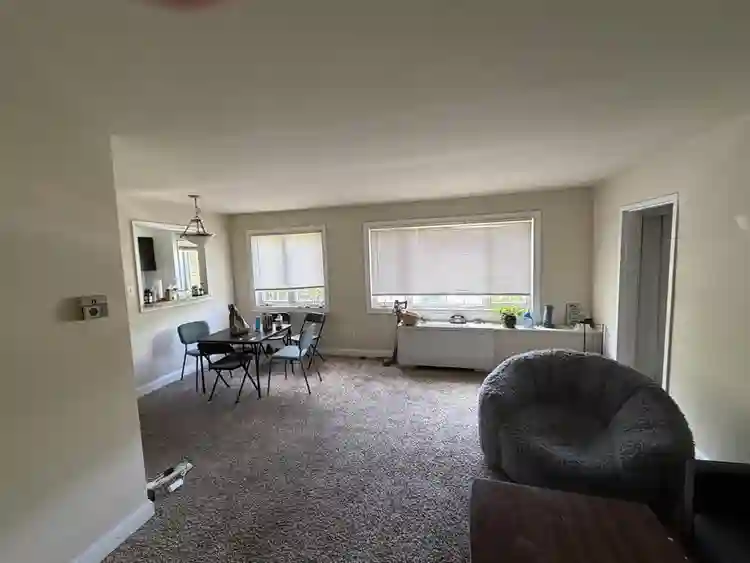
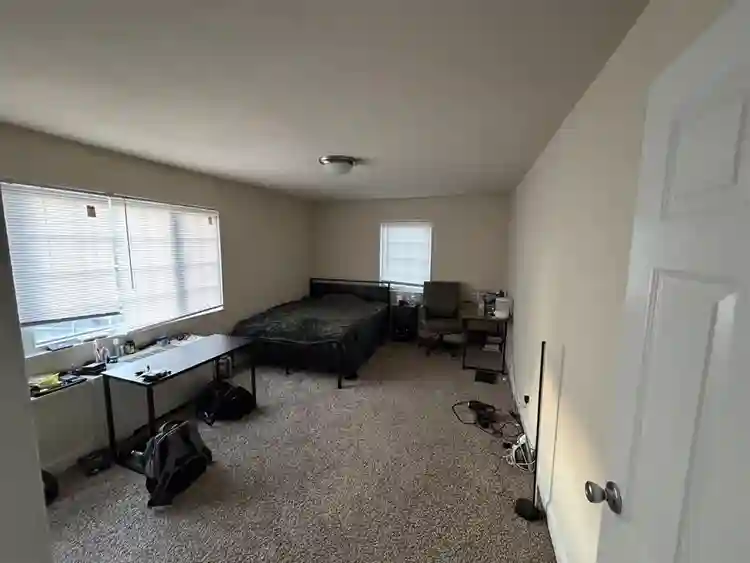
URGENT LEASE TAKEOVER – Available Immediately 🚨 🏡 2 Bedroom / 1 Bathroom Apartment📍 Lease takeover available ASAP💰 Rent: $2,048/month📅 Lease expires: February 13, 2027 I’m looking for someone to take over my lease as soon as possible. This is a spacious 2-bedroom, 1-bathroom apartment in a well-maintained community.
Kullanılabilir Tarih: Hemen
Kimlik Kontrolü Yapıldı
Adres Kontrol Edildi
E-posta Doğrulanmış
Telefon Doğrulandı


ShaneEve, 45
Tüm yer | Blaine Street NE, Washington, DC, USA
We are looking for 1 female roomie to occupy the entire top floor.Can be furnished or unfurnished. Less than half a mile to Orange, Blue and Silver Metro Train Stations. One block to Safeway grocery store, CVS pharmacy, Libary, Uber branch office. A few blocks away from USPS, Chase and Citi Banks branches and some local restaurants. Metro Train stations have direct and connecting stops to Downtown DC, Smithsonian, Stadium Armory, Dupont, DCA Airport, IAD Airport, Waterfront etc. Bedroom: $1,500 ( ALL utilities included )Located on the Top Floor1 bedroom ( twin bed & external storage room/closet )Shared ensuite bathroom ( with 2 separate sinks ) Great students, professionals who needs transient accommodation up to 30 nights. If you need multiple months, simply renew or reserve your stay. You can book / reserve your monthly stays via our AirBnB - simply message us.
Kullanılabilir Tarih: Hemen
E-posta Doğrulanmış
Telefon Doğrulandı


megan, 35
Tüm yer | 39th Place NW, Washington, DC, USA
In unit washer/dryer. Full size oven/stove, fridge, dishwasher. Private entrance. Patio with grill. We live upstairs so looking for a respective neighbor. 10 minute walk from Whole Foods and Wisconsin Ave shops, 15 minutes to Trader Joe’s/Safeway. 20 minute walk to Georgetown Hospital and 25 minute walk to main campus. Bus stop 100 feet away. $1800/month utilities and internet included
Kullanılabilir Tarih: Hemen
E-posta Doğrulanmış
Telefon Doğrulandı


pruitt, 65
Tüm yer | Lanier Place NW, Washington, DC, USA
A beautiful and spacious 1-bedroom English basement on a quiet, 1-way street in the heart of Adams Morgan, with a Walk Score of 97! This apartment, in an end-unit rowhouse, has 7 windows and gets much more light than the typical basement. The kitchen has been completely renovated, with a quartz countertop and stainless steel appliances. There is a little patio in front that tenants have used for al fresco dining, and we also have a backyard that gets lots of sun for those with a green thumb.
Kullanılabilir Tarih: Hemen
Kimlik Kontrolü Yapıldı
E-posta Doğrulanmış
Telefon Doğrulandı


pruitt, 65
Tüm yer | Roanoke Avenue, Takoma Park, MD, USA
Newer renovated apartment. Has two entrance, one from inside to living room/ bedroom and other one from outside entrance to office/den. It has a stove, refrigerator, dishwasher. Beautiful granite countertop and cabinet. NEW HARDWOOD FLOOR thought out of the apartment and new ceramic tile in the kitchen floor and bathroom. Central air condition and heat. Convenient coin laundry in the basement. 5 minutes to beltway. and 5 minutes to downtown Silver Spring.
Kullanılabilir Tarih: Hemen
Kimlik Kontrolü Yapıldı
E-posta Doğrulanmış
Telefon Doğrulandı


Tyler, 30
Tüm yer | Chevy Chase, Washington, DC, USA
Beautiful Studio Apartment in NW DC available for rent starting June 5th ($1600/mo). All utilities included in the price (except wifi/cable). The Garfield Condominiums in Friendship Heights. Comment or message me for any questions or further details.
Kullanılabilir Tarih: Hemen
Kimlik Kontrolü Yapıldı
Adres Kontrol Edildi
E-posta Doğrulanmış
Telefon Doğrulandı


Chloe, 23
Tüm yer | L'enfant Plaza SW, Washington, DC, USA
Looking for a clean, respectful, and friendly roommate to take over a 12 month lease!This home is a dream, with your own private bedroom and bathroom in a shared house. The other two roommates are young professionals (F25 and M40). One lives full-time in the house, while the other travels for work. Everyone has their own en suite bathroom. The building is a 4-storey townhouse with a TON of natural light and a back deck. Common spaces are furnished. The neighborhood is peaceful and quiet with tree-lined streets. The house has three parking spots: one in the garage, one in the driveway, and one on the street. Currently, only one roommate has a car. It's also a 10 minute walk to the L'Enfant Plaza metro (Green/Yellow/Blue/Orange/Silver lines), making travel to anywhere in the DMV a breeze. The room itself comfortably fits a queen size matress and a desk/dresser. There's almost no outside noise, since thw windows face the neighborhood. The bathroom features a private walk in shower and ample storage. Our lease is up on 1/1/27, but I have to move out early for work 😢 I'm happy to give a tour + provide more information to serious inquiries.
Kullanılabilir Tarih: Hemen
E-posta Doğrulanmış
Telefon Doğrulandı


Alina, 19
Tüm yer | Baltimore Avenue, College Park, MD, USA
Private bedroom and private bathroom in a furnished 4x4 apartment near UMD. Rent is $1200/month. Electricity is separate and is usually around $50/month depending on usage. Move-in is around the end of July, but timing is flexible. Apartment includes:• Private bedroom + private bathroom+ 2 spacious closets• Shared kitchen and living room• In-unit washer/dryer• Fully furnished Tempo amenities include gym, pool, study spaces, and social areas. Bus stop is right outside the building, and Pizza Hut + Dunkin are on . I am reletting due to transferring and will cover the relet fee in full. Please message me if interested or would like photos/details.
Kullanılabilir Tarih: Hemen
E-posta Doğrulanmış
Telefon Doğrulandı
The average rent in Washington, DC is $2,500/month overall, but varies significantly by size: studios $1,369, 1-bedroom $2,150, 2-bedroom $2,770, 3-bedroom $3,668. That average is 28% above the national average rent. Premium neighborhoods like West End ($4,034) and Foggy Bottom-GWU ($3,522) command much higher prices.
The most affordable neighborhoods are Congress Heights, Bellevue Southeast, Fort Dupont, and Deanwood. These areas offer 1-bedroom apartments at or below $1,200. Columbia Heights, Capitol Hill, and Petworth offer mid-range options ($2,000-$2,400 for 1-bedroom). Downtown Washington, NoMa, and H Street-NoMa are mid-to-premium-priced ($2,300-$2,600).
For walkability and nightlife, many renters prefer Capitol Hill, Adams Morgan, and Dupont Circle. For newer construction and value, NoMa, Shaw, and H Street-NoMa are popular. For families and quieter living, North Hills, Petworth, and Near Southeast work well. For government professionals and proximity to institutions, West End, Foggy Bottom-GWU, and Sixteenth Street Heights are popular (but pricier).
Yes. Furnished apartments and direct-to-landlord listings both appear on Roomster, especially in Capitol Hill, Downtown DC, and Dupont Circle where corporate relocations, young professionals, and executive transfers create steady demand. That is useful for people relocating to DC, between jobs, or unwilling to furnish from scratch. Just compare the full move-in cost - rent, deposit, parking, utilities, and any building fees - not only the advertised rent. Zero broker fees on Roomster saves 1+ month's rent vs. traditional agencies.
Before renting in DC, check Metro or bus access, parking cost and availability (often $200-$400/month in DC), whether utilities are included, proximity to your workplace, neighborhood safety, lease terms, and in-unit laundry. In this market, those practical details often matter more than polished marketing copy, especially when you're comparing premium walkable neighborhoods with quieter, more affordable alternatives.
Roomster is one of the top apartment finder options in DC. It connects renters with individual landlords across Capitol Hill, Adams Morgan, Downtown, Dupont Circle, Petworth, and beyond - with screening and zero broker fees, saving renters money compared to traditional apartment search sites.
Finding rental apartments in Washington, DC can be an exciting yet challenging process, especially if you're a professional, a couple, or relocating to this bustling city. Whether you want a furnished apartment, a pet-friendly unit, or a month-to-month lease, understanding the local rental landscape is key. This guide offers practical advice to help you navigate apartment types, budget considerations, neighborhood options, and lease terms so you can make an informed choice that suits your lifestyle and commute needs.
Washington, DC's rental market offers diverse apartment options including studios, one-bedroom, and two-bedroom units, as well as shared apartments. Professionals and couples often look for apartments near downtown or close to public transit to shorten their commute. Depending on your budget, you might prioritize either a furnished apartment or a place with building amenities like parking and laundry. Month-to-month apartments or short-term leases can provide flexibility for those relocating or uncertain about long-term plans.
When comparing rental apartments in Washington, DC, focus on neighborhood fit and apartment features that align with your lifestyle. Areas near downtown offer easy access to work and entertainment but may come with higher rents. Neighborhoods a bit farther out might offer more space or better pricing but consider your commute carefully. Pay attention to lease terms, including whether the apartment allows sublets or offers month-to-month leases, which can be ideal for short-term stays.
Key aspects to weigh include:
Budgeting for rental apartments in Washington, DC means balancing rent with other costs like utilities, security deposits, and possible pet fees. Lease terms can vary widely, so understanding the conditions upfront is crucial. Month-to-month apartments often carry a premium but offer flexibility, while longer leases may provide cost savings. Always clarify what the lease includes and ask about subletting policies if you anticipate a change in plans.
Screening processes may require documentation such as ID checks, proof of income, or references. Preparing these ahead of your application can streamline approval. Keep in mind that budgeting for parking or additional building amenities may be necessary depending on the location.
Rental scams and misunderstandings are risks to watch for in Washington, DC's competitive market. Always meet landlords or property managers in person or via a reliable video call before making payments. Avoid wiring money or paying in cash without a formal lease. Request to see the actual apartment and confirm lease terms in writing. Roomster’s ID check and address check features can help ensure listings are legitimate.
confirm what is included in the rent, such as utilities or parking, and keep copies of all communication. Trust your instincts if something feels rushed or unclear, and never share sensitive personal information until you are confident in the listing's authenticity.
One-bedroom apartments and studios tend to be the most common and accessible options across neighborhoods, with shared apartments available but less frequent.
Choose based on your privacy needs, budget, and lifestyle. Studios and one-bedrooms offer more privacy, while shared apartments can lower costs but require roommate compatibility.
Inquire about lease terms, included utilities, pet policies, parking availability, move-in dates, and any fees or deposits required.
Begin your search at least 30 to 60 days before your desired move-in to allow time for viewing, application, and lease processing.
One-bedroom apartments and studios are generally the most available, with shared apartments being less common but an option depending on the neighborhood.
Consider your budget and privacy preferences. Studios and one-bedrooms offer more privacy, while shared apartments can be more affordable but require roommate compatibility.
Ask about lease length, utilities included, pet policies, parking, move-in dates, and any deposits or fees.
Starting your search 30 to 60 days before moving helps ensure you have enough time for viewings, applications, and lease arrangements.
Ready to find your next rental apartment in Washington, DC? Browse current apartments for rent in Washington, DC on Roomster to compare listings, filter by your preferred neighborhoods, amenities, and lease terms, and find the best fit for your budget and lifestyle.


