


Новое
3 дня назад


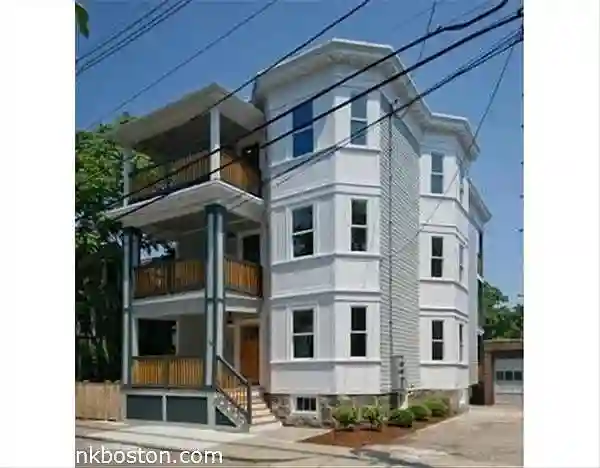
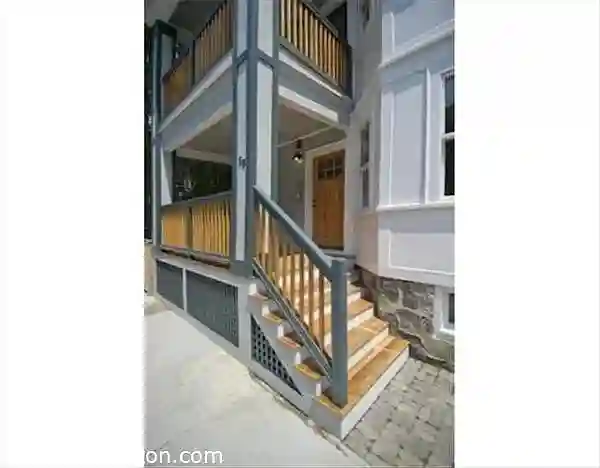

Anmol, 29
Вся квартира | Jamaica Plain, Boston, MA, USA
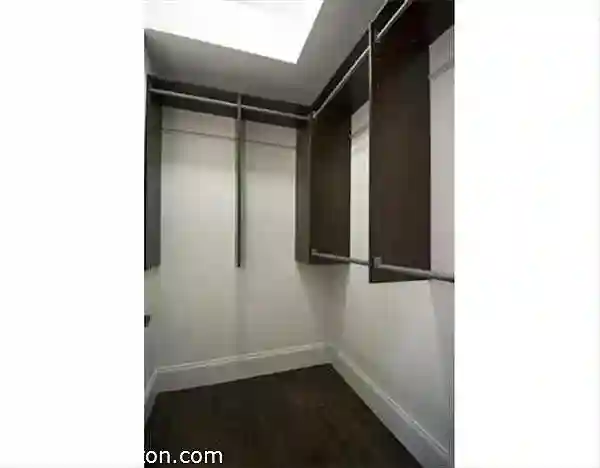
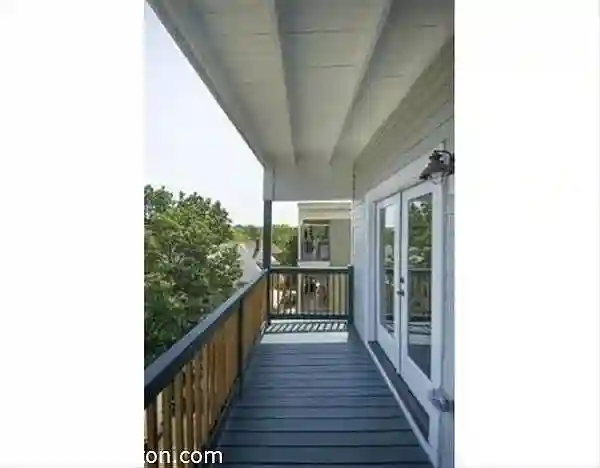
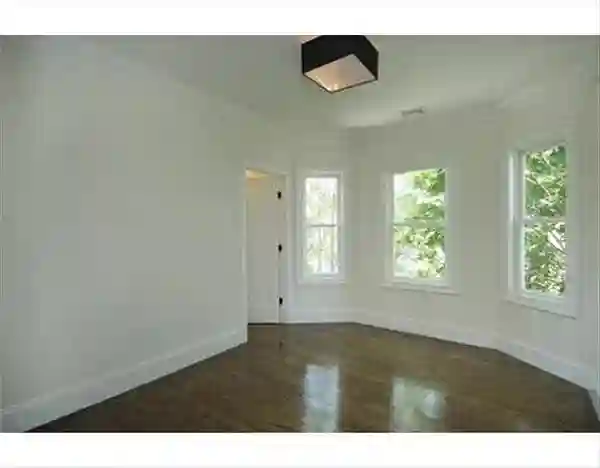
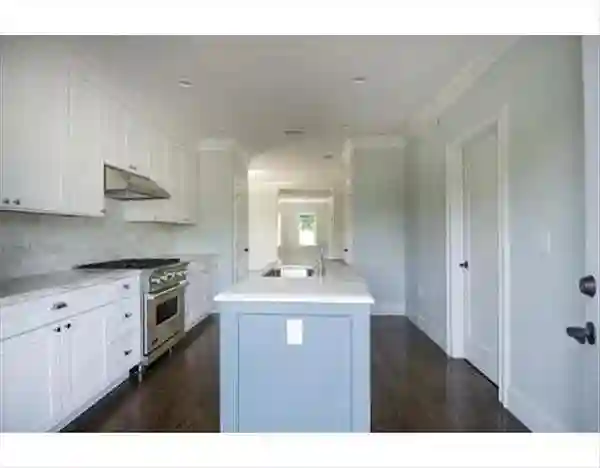
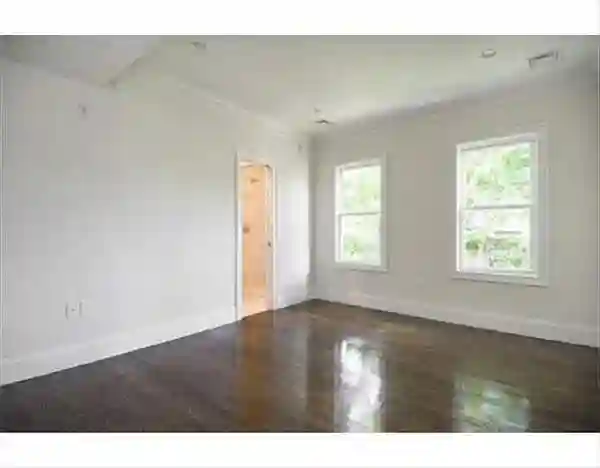
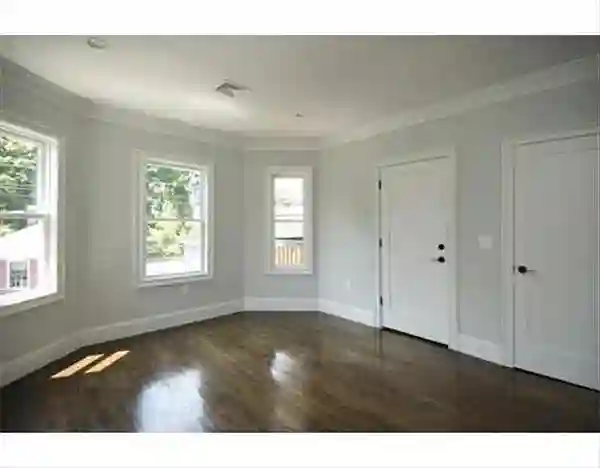
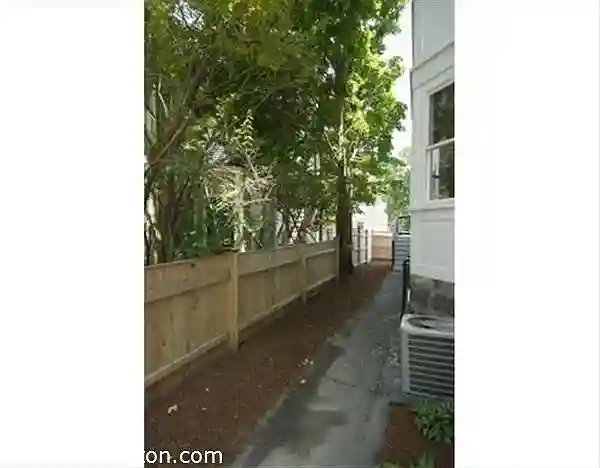
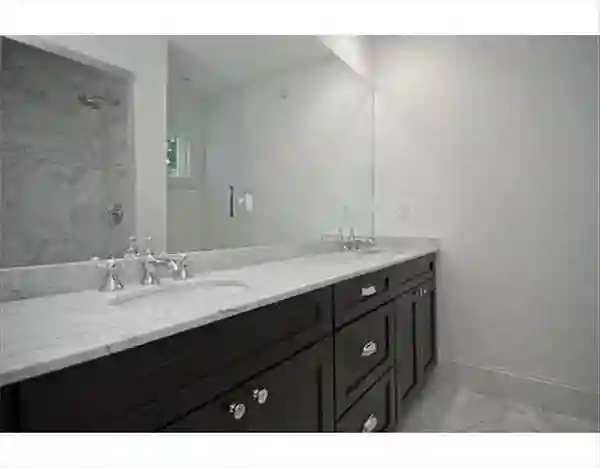
Hey everyone! My roommate and I are looking for someone to take over our lease at a great 2-bed, 2-bath apartment in the heart of Jamaica Plain at 58 Seaverns Ave available immediately for a Nov 1st official lease start. Why we are moving: We absolutely love this spot, but our previous landlord reached out to let us know our old condo (which we left because it was going to be sold) was pulled off the market, and we have the rare chance to move back in. Our lucky break is your gain! THE FINANCIALS (Why this is a great deal):• Broker Fee: $0 (You are taking over directly from us).• October Rent: $0 (We already paid this month. If you sign and get approved, you can move in immediately and live rent-free until Nov 1st).• Monthly Rent: $4,000/month THE APARTMENT SPECS:• Space: 1,050 sqft First-floor unit (no carrying groceries up flights of stairs).• Outdoor Space: Features a spacious private back porch, perfect for relaxing or working outside.• Amenities: Central A/C, In-unit Washer/Dryer, Dishwasher, Garbage Disposal, and Gas Heat.• Parking: 1 dedicated off-street parking space included in the rent.• Pets: Pet-friendly! (Both cats and dogs are allowed). THE LOCATION & COMMUTE:• Transit: 5-minute walk to the Green Street T Station (Orange Line) for a fast downtown commute, and a 2-minute walk to the 39 & 41 bus stops.• Lifestyle: Just a 10-minute walk to Jamaica Pond for running/walking trails, and a 2-minute walk to all the local coffee shops and restaurants on Centre Street.
Когда должно быть доступно: Немедленно
Электронная почта подтверждена
Подтверждение по телефону


brandon, 28
Вся квартира | Albion Street, Somerville, MA, USA
🏡 4-BEDROOM APARTMENT FOR SUBLET – SOMERVILLE, MA Looking for someone to take over/sublet a spacious 4-bedroom, 1-bath apartment in Somerville. 💰 Rent: $5,500/month🛏 4 Bedrooms🛁 1 Bathroom📍 Somerville, MA Great option for a group of friends, roommates, students, or working professionals looking to live together in Somerville. ✨ Highlights:• Spacious 4-bedroom layout• Great for 4 roommates• Convenient Somerville location• Easy access to Cambridge and Boston• Available for sublet 💵 At $5,500/month 📩 Interested? Send me a message with a little about yourself/your group, your desired move-in date, and how long you're looking to rent. I can provide more information, photos, and schedule a showing.
Когда должно быть доступно: Немедленно
Электронная почта подтверждена
Подтверждение по телефону

TERESA, 57
Вся квартира | West Broadway, Boston, MA, USA
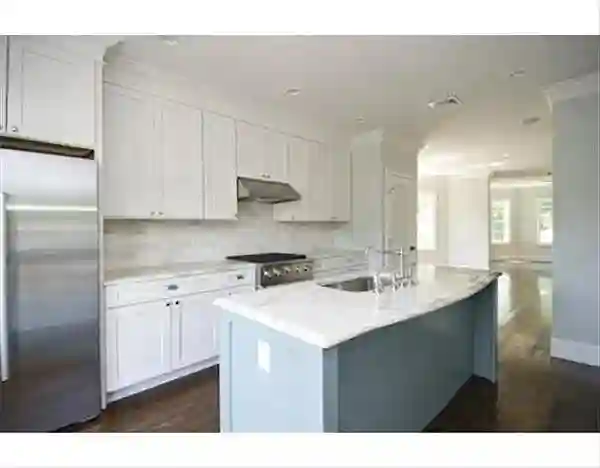
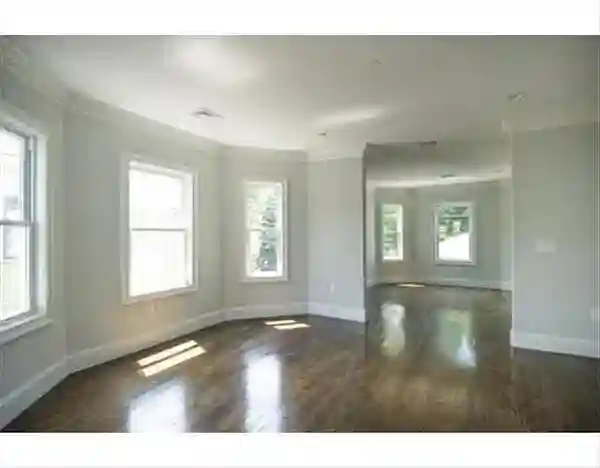
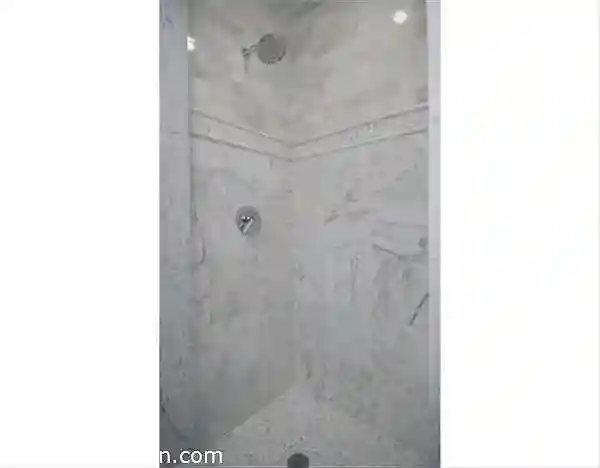
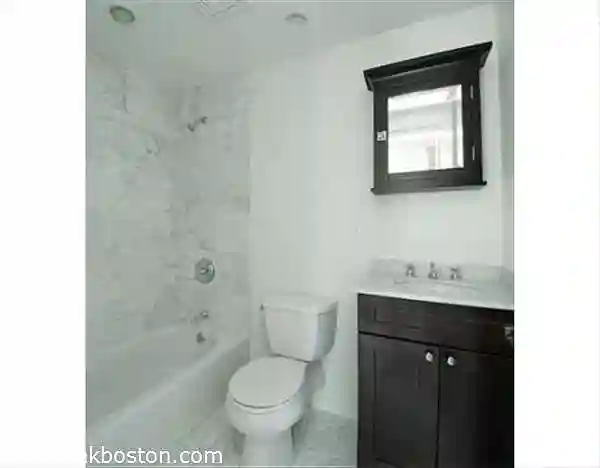
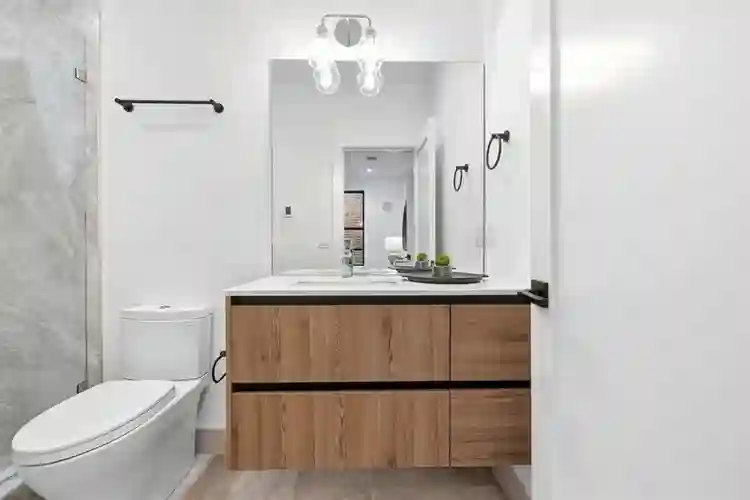
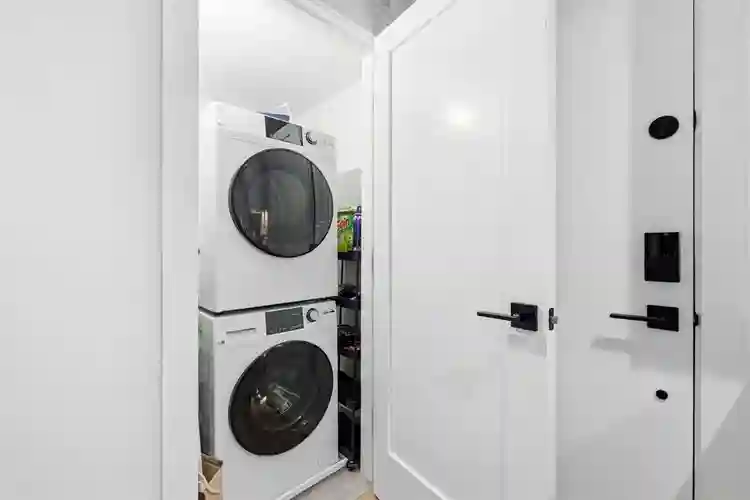
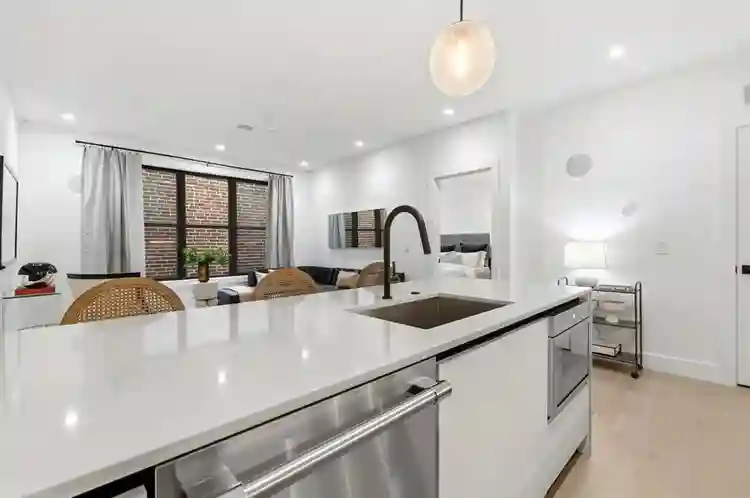
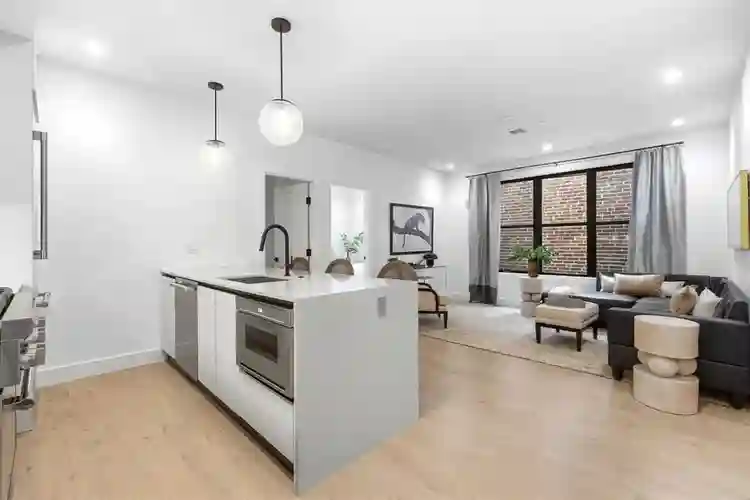
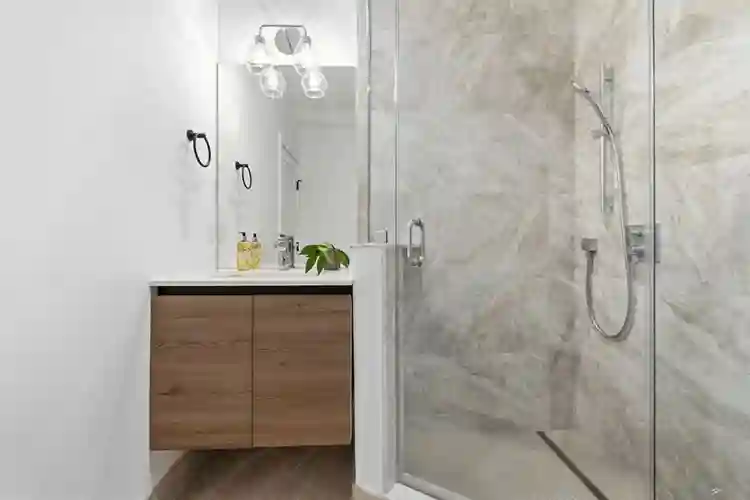
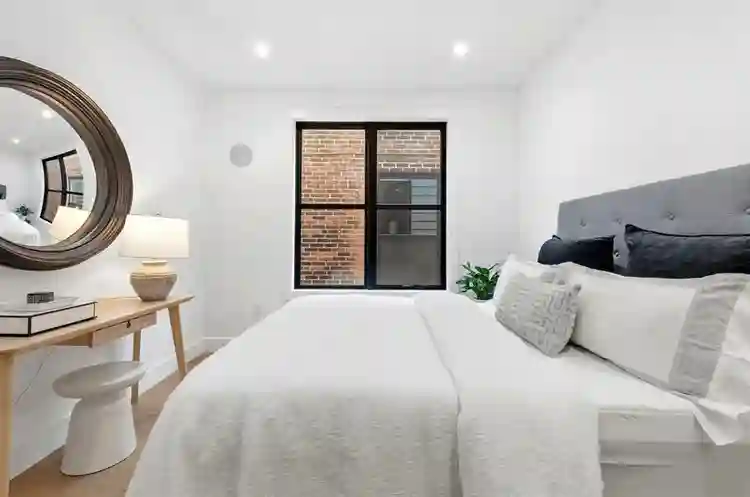
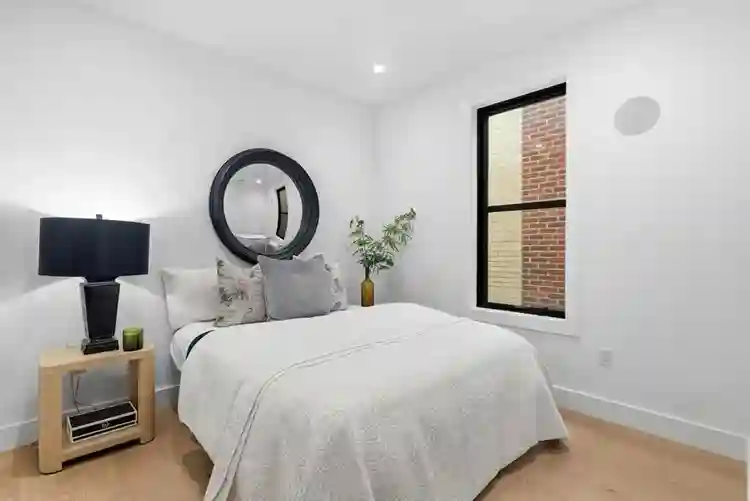
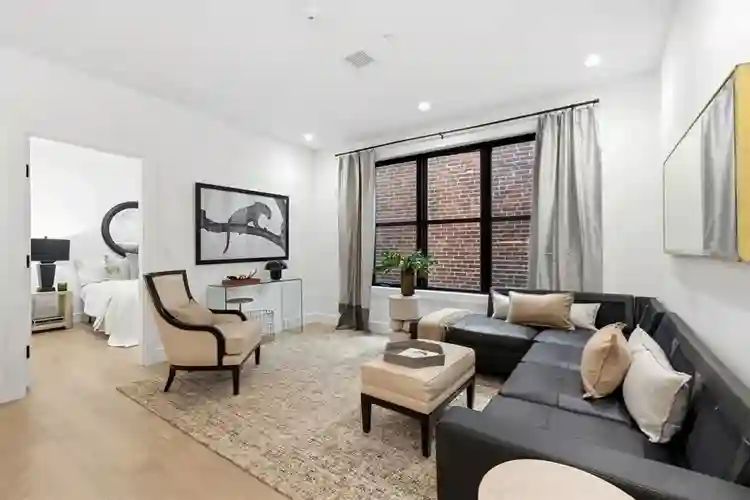
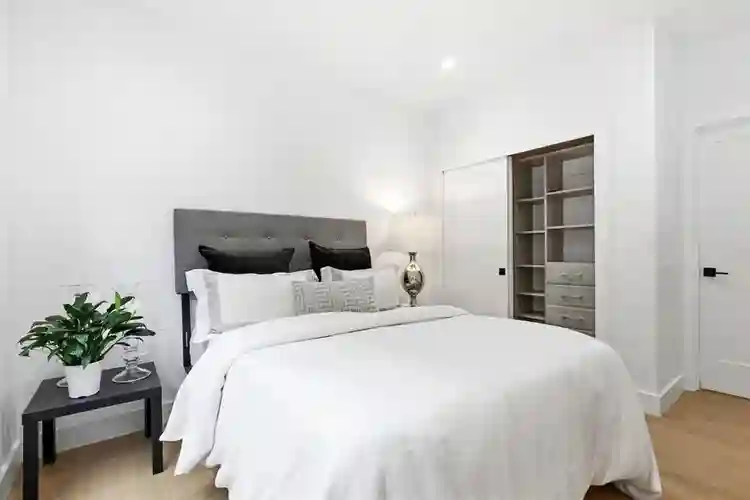
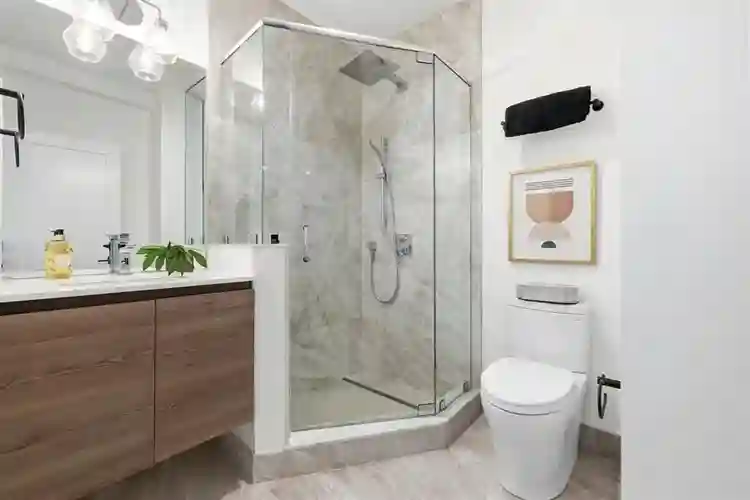
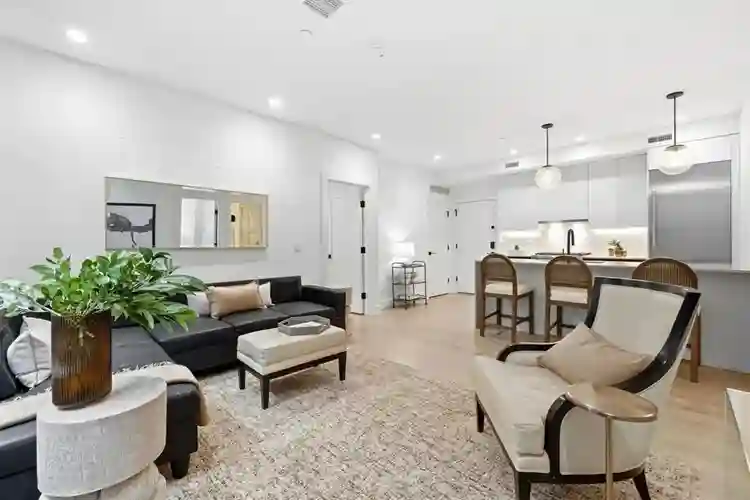
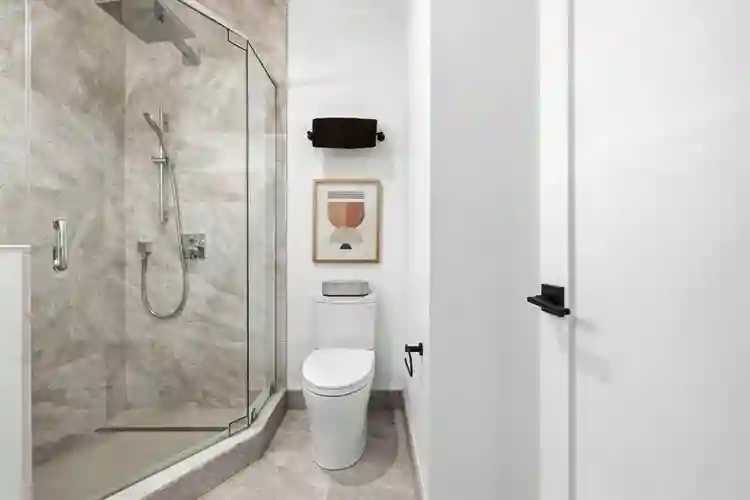
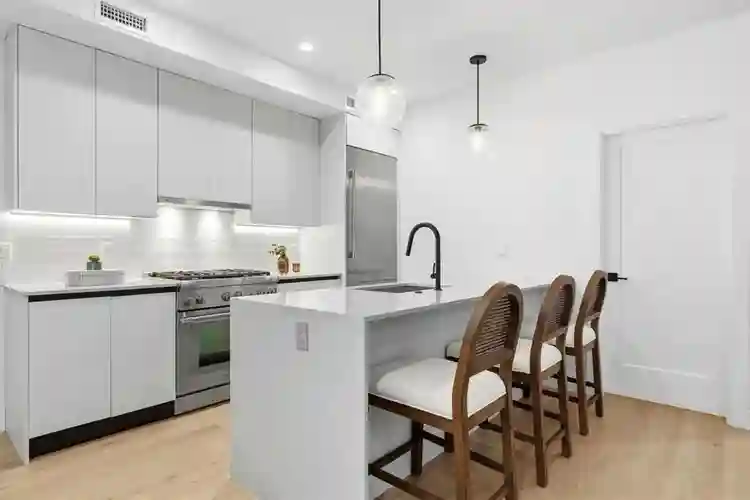
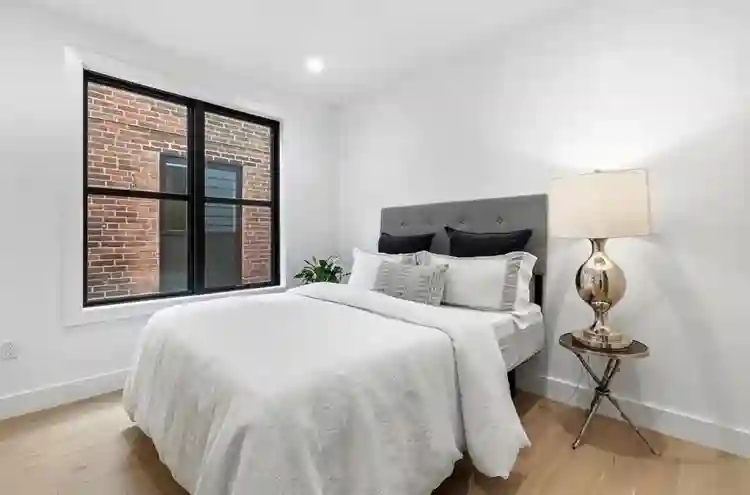
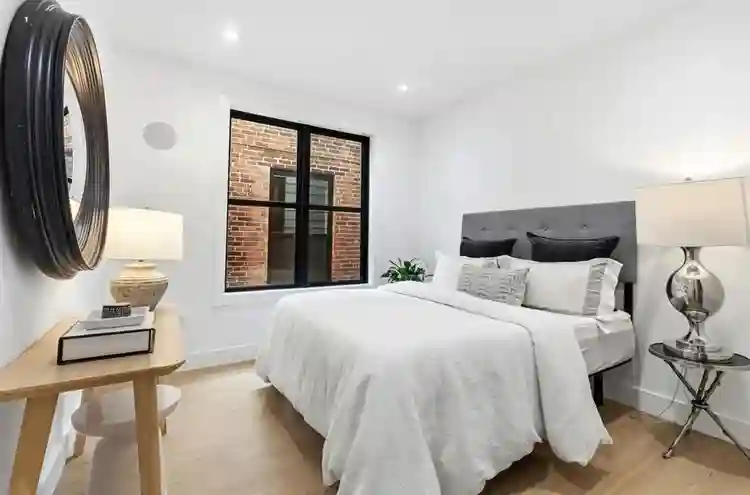
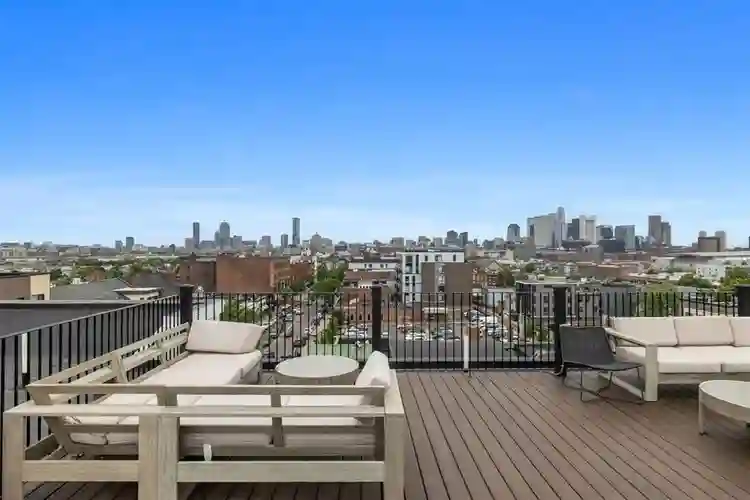
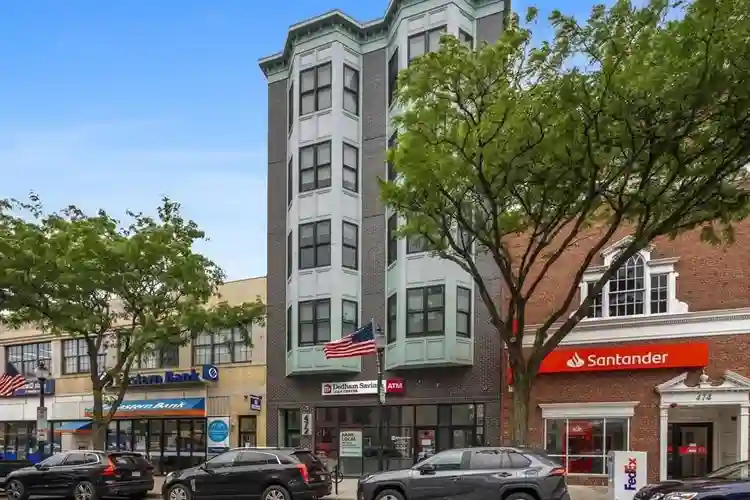
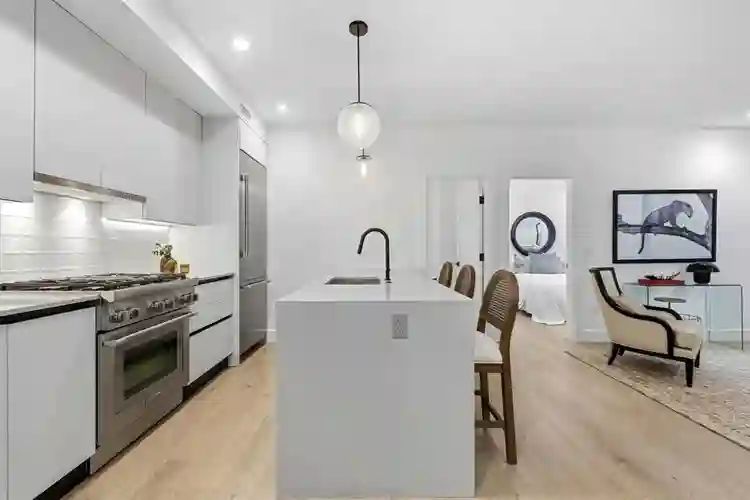
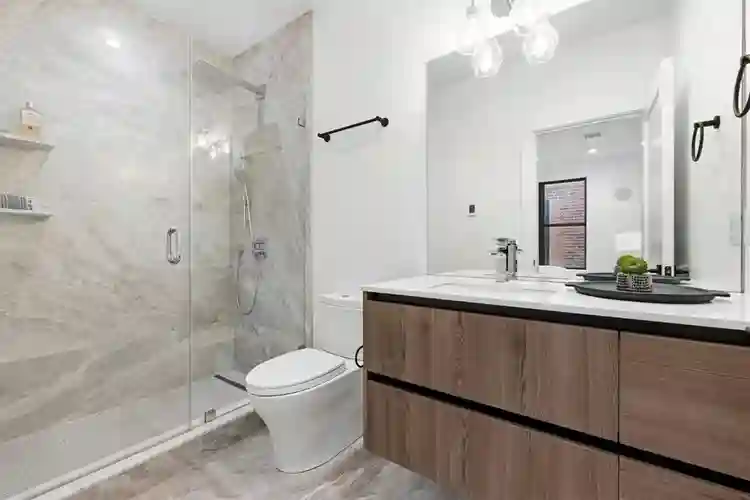
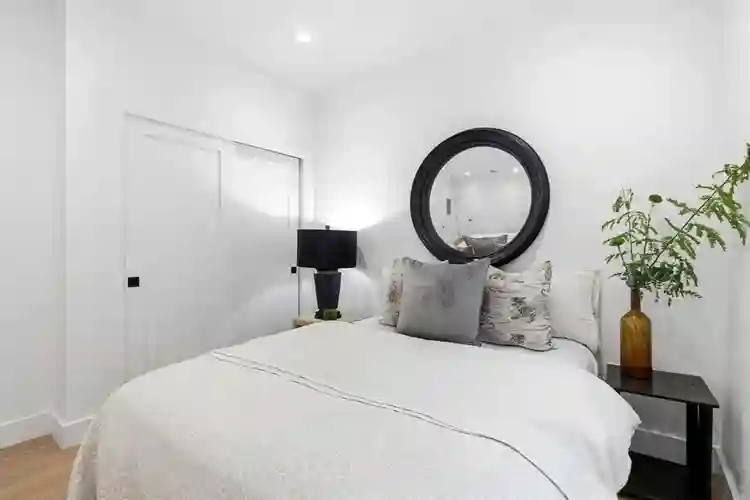
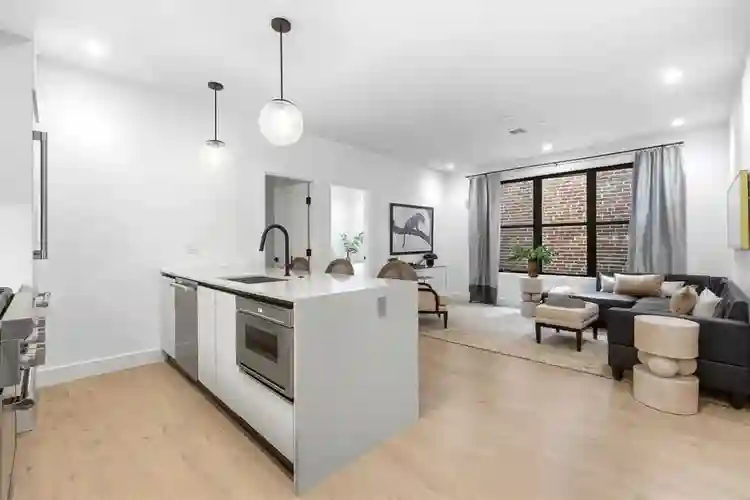
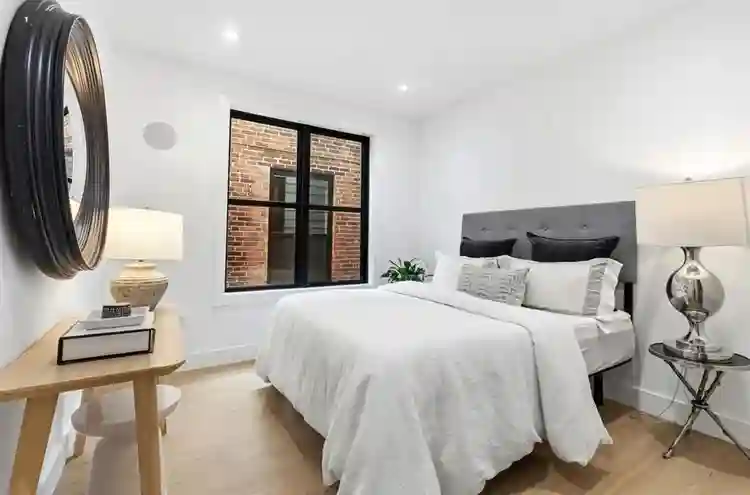
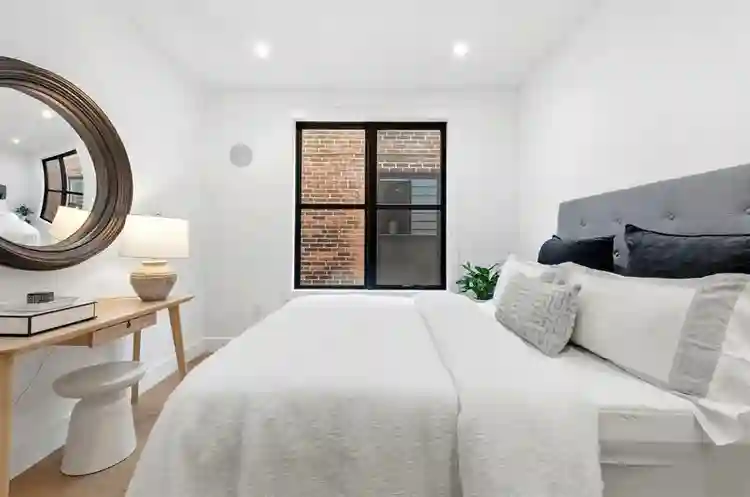
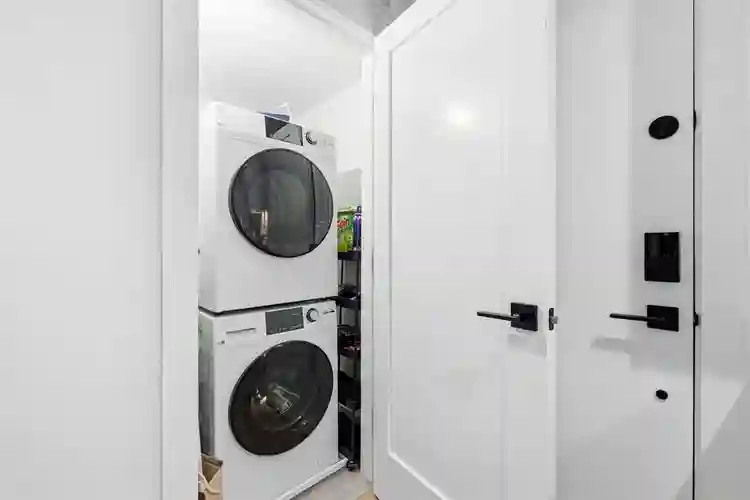
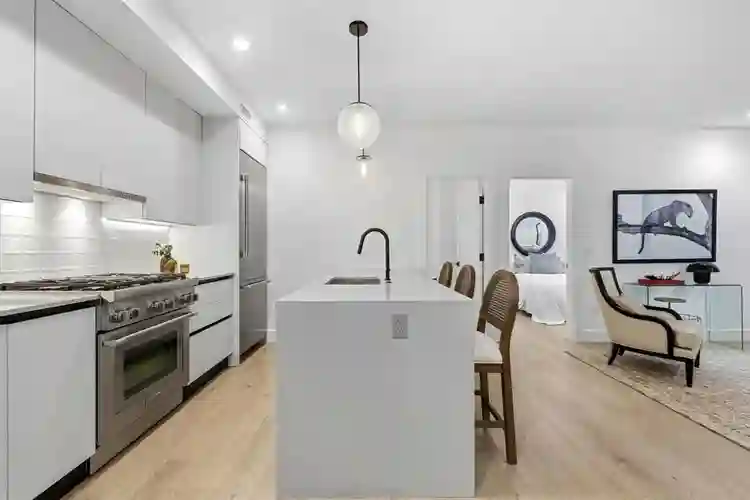
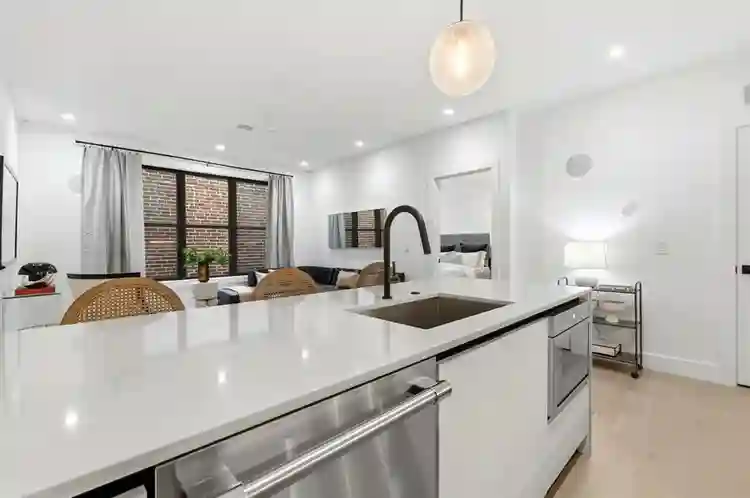
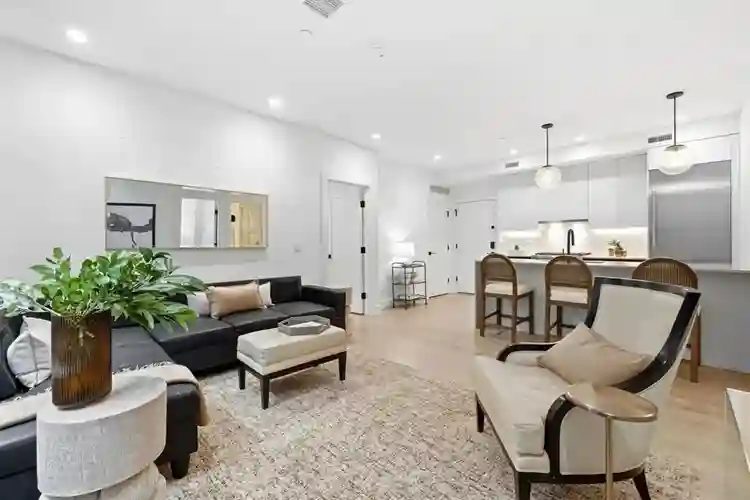
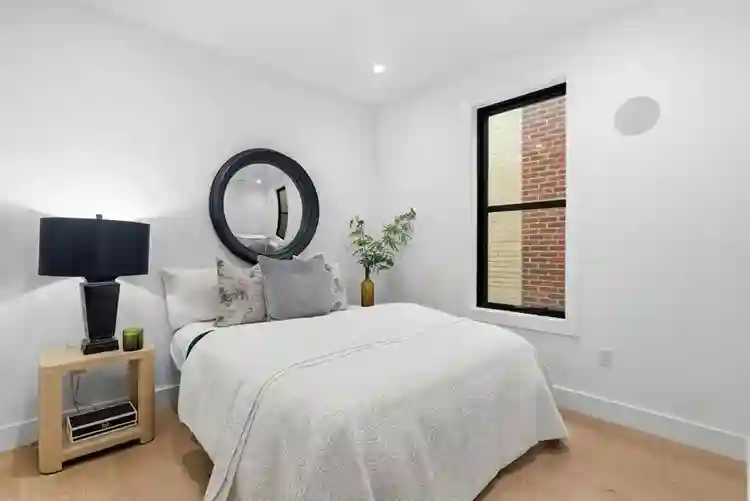
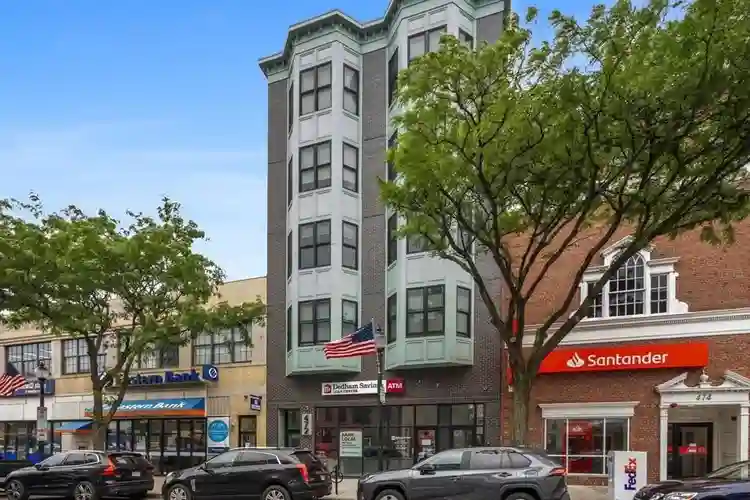
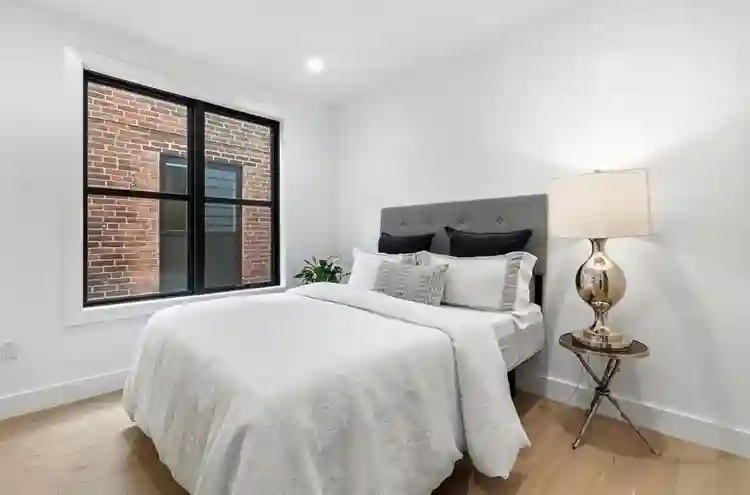
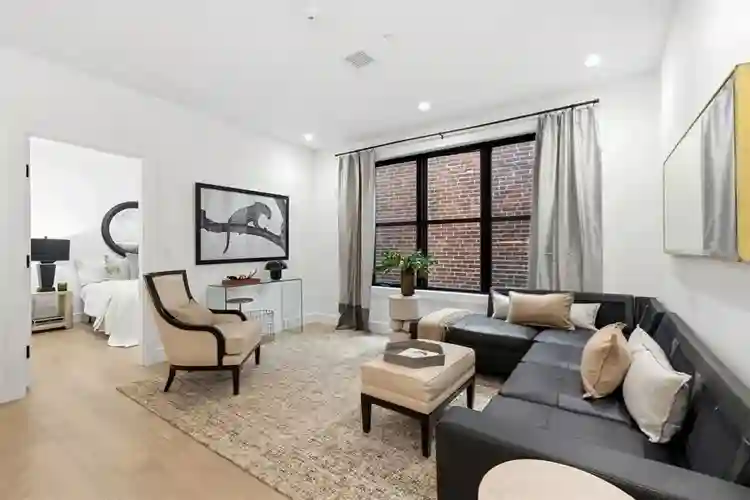
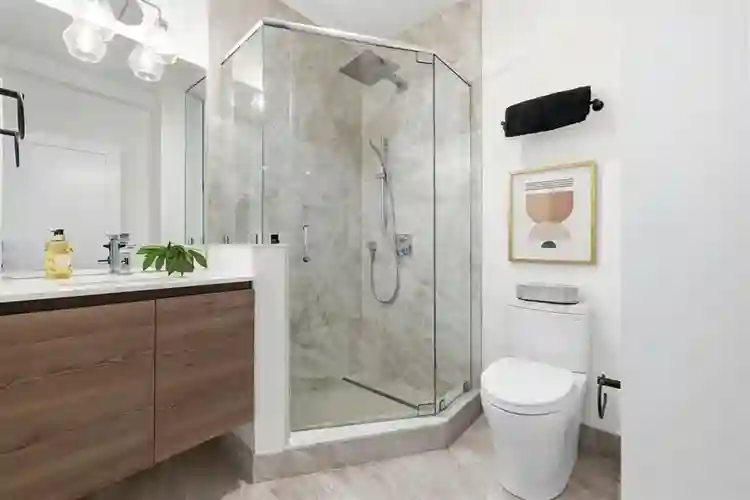
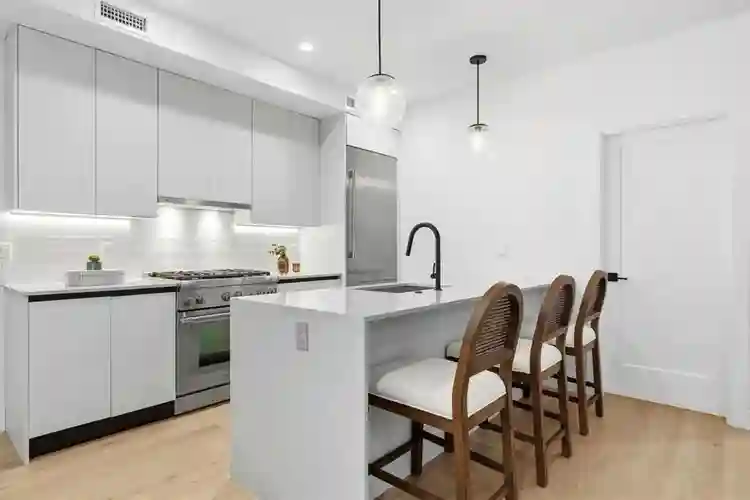
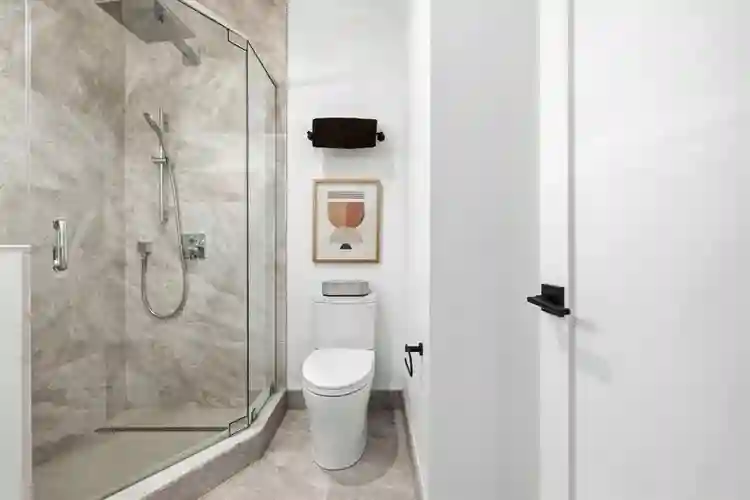
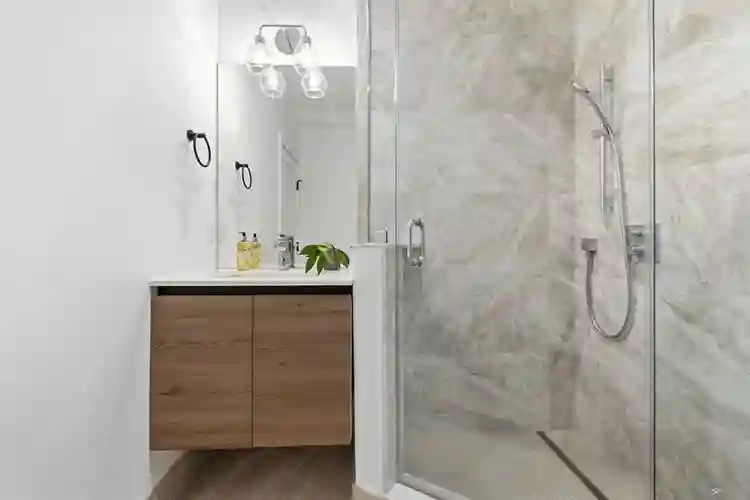
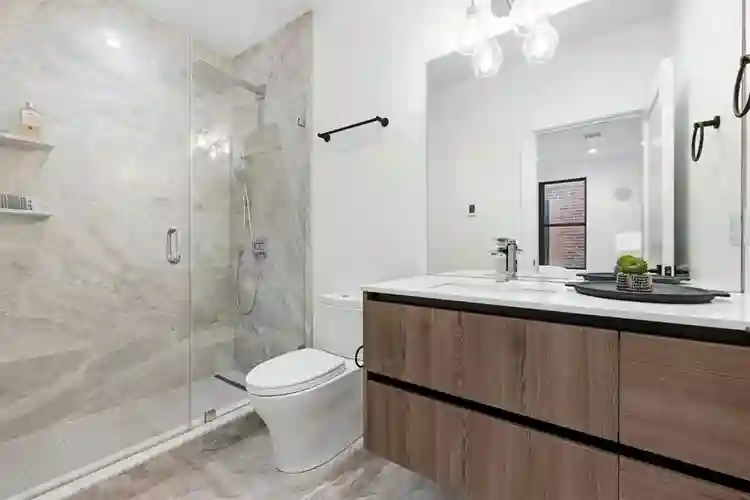
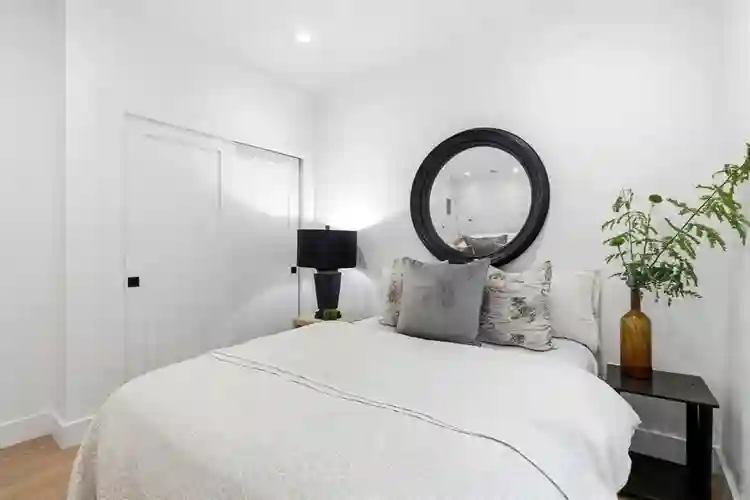
SOPHISTICATED TWO BEDROOM, TWO BATH IN SOUGHT-AFTER WEST BROADWAY BUILDING! THIS STYLISH UNIT OFFERS AN OPEN LIVING CONCEPT, STAINLESS AND QUARTZ KITCHEN COMPLETE WITH WATERFALL EDGED BREAKFAST BAR WITH ADDED STORAGE AND SPACIOUS LIVING ROOM FLOODED WITH NATURAL LIGHT. PRISTINE BATHS OFFERING FLOOR-TO-CEILING MARBLE TILED GLASS ENCLOSED SHOWERS WITH RAIN SHOWERHEAD AND HANDHELD WAND, WOOD-TONED VANITIES WITH QUARTZ COUNTERS, AND POLISHED CHROME FITTINGS AND FIXTURES. QUEEN SIZED BEDROOMS WITH CUSTOM CLOSETS. ADDITIONAL FEATURES INCLUDE CUSTOM CRAFTED WIDE PLANK OAK FLOORING THROUGHOUT, CENTRAL AIR, IN-UNIT LAUNDRY, EXCEPTIONAL CEILING HEIGHT, AND DEEDED STORAGE. THIS 2021 COMPLEX OFFERS PROFESSIONAL MANAGEMENT, A STRONG OWNER OCCUPANCY, ELEVATOR, AND IMPECCABLE COMMON AREAS INCLUDING A MASSIVE ROOFDECK, CLUB ROOM AND MORE. PERFECTLY SITUATED ON THRIVING WEST BROADWAY AMONGST SOUTH BOSTON'S BEST RESTAURANTS AND SHOPS!
Когда должно быть доступно: Немедленно
ID Проверено
Адрес проверен
Электронная почта подтверждена
Подтверждение по телефону
TERESA, 57
Вся квартира | West Broadway, Boston, MA, USA
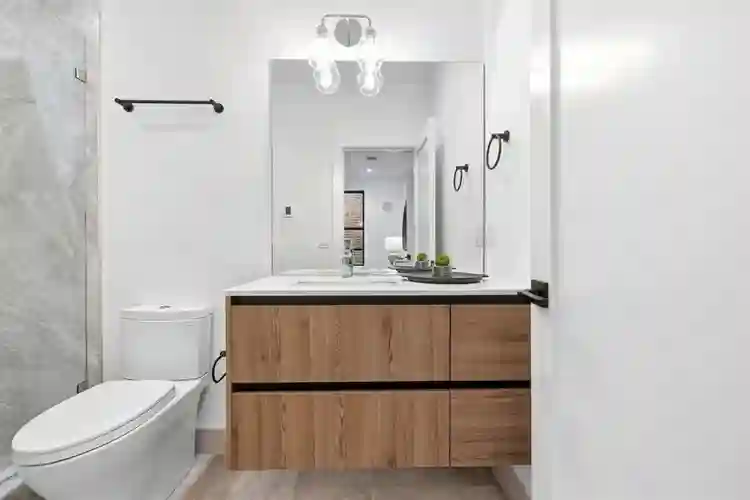
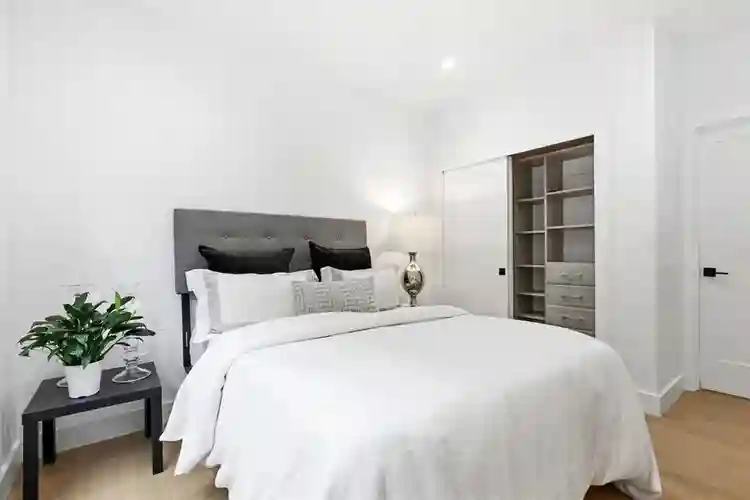
SOPHISTICATED TWO BEDROOM, TWO BATH IN SOUGHT-AFTER WEST BROADWAY BUILDING! THIS STYLISH UNIT OFFERS AN OPEN LIVING CONCEPT, STAINLESS AND QUARTZ KITCHEN COMPLETE WITH WATERFALL EDGED BREAKFAST BAR WITH ADDED STORAGE AND SPACIOUS LIVING ROOM FLOODED WITH NATURAL LIGHT. PRISTINE BATHS OFFERING FLOOR-TO-CEILING MARBLE TILED GLASS ENCLOSED SHOWERS WITH RAIN SHOWERHEAD AND HANDHELD WAND, WOOD-TONED VANITIES WITH QUARTZ COUNTERS, AND POLISHED CHROME FITTINGS AND FIXTURES. QUEEN SIZED BEDROOMS WITH CUSTOM CLOSETS. ADDITIONAL FEATURES INCLUDE CUSTOM CRAFTED WIDE PLANK OAK FLOORING THROUGHOUT, CENTRAL AIR, IN-UNIT LAUNDRY, EXCEPTIONAL CEILING HEIGHT, AND DEEDED STORAGE. THIS 2021 COMPLEX OFFERS PROFESSIONAL MANAGEMENT, A STRONG OWNER OCCUPANCY, ELEVATOR, AND IMPECCABLE COMMON AREAS INCLUDING A MASSIVE ROOFDECK, CLUB ROOM AND MORE. PERFECTLY SITUATED ON THRIVING WEST BROADWAY AMONGST SOUTH BOSTON'S BEST RESTAURANTS AND SHOPS!
Когда должно быть доступно: Немедленно
ID Проверено
Адрес проверен
Электронная почта подтверждена
Подтверждение по телефону

Anuprita, 23
Вся квартира | Brainerd Road, Boston, MA, USA
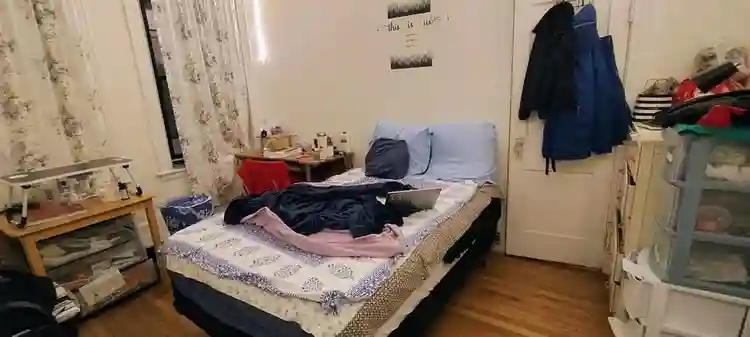
I’m looking for someone to take over my private room in Allston from October 2026 – August 2027! 📍 90 Brainerd Rd, Allston💰 $1,150/month | No broker fee It’s a fully furnished room in a 2BR/1BA apartment. Furniture is included for free — queen bed + mattress, desk/chair, mirror, storage & shoe rack. The room also has a large closet and in-room A/C + heat. The apartment has a fully equipped kitchen, laundry in the building, and heat + water included. You’d be sharing with just one friendly roommate! 🚊 Super convenient location — 3 min walk to the Green Line B (Griggs St), with buses 66 & 57 nearby. Star Market, CVS, TJ Maxx, restaurants, etc. are all within walking distance. 💵 Move-in costs: First + Last month's rent + Security Deposit 📸 DM me for photos/videos or if you’d like to come see the place! Please feel free to share with anyone looking! 😊
Когда должно быть доступно: Немедленно
Электронная почта подтверждена
Подтверждение по телефону


Denise, 48
Вся квартира | Bremen Street, Boston, MA, USA
Bremen 282 is modern living in an authentic place. Experience a harmonious blend of thoughtful design, community integration, and contemporary comfort. Offering a range of one, -bedroom apartments, Bremen 282 has the ideal mix of layouts so you can find a home that fits your unique lifestyle. Property amenities include two expansive roof decks with city skyline views, a resident lounge, fitness center, and coworking space. Enjoy easy access to downtown Boston, just two stops on the Blue Line, and a -minute walk to Logan Airport. Now, getting where you need to be has never been more convenient.
Когда должно быть доступно: Немедленно
Электронная почта подтверждена
Подтверждение по телефону


Denise, 48
Вся квартира | Everett Street, Boston, MA, USA
Welcome to 258 Everett Street #3! This updated top floor 1 bed, 1 bath apartment features an open concept living room and kitchen, a stylish bathroom, and a private balcony. The bedroom is spacious with room for a bed and home office. The unit includes gas heat, central air, and laundry. Ideally located in East Boston's desirable Jeffries' Point, steps to Maverick T Station, Ferries & water taxis,
Когда должно быть доступно: Немедленно
Электронная почта подтверждена
Подтверждение по телефону
Nathalie, 28
Вся квартира | Somerville, MA, USA
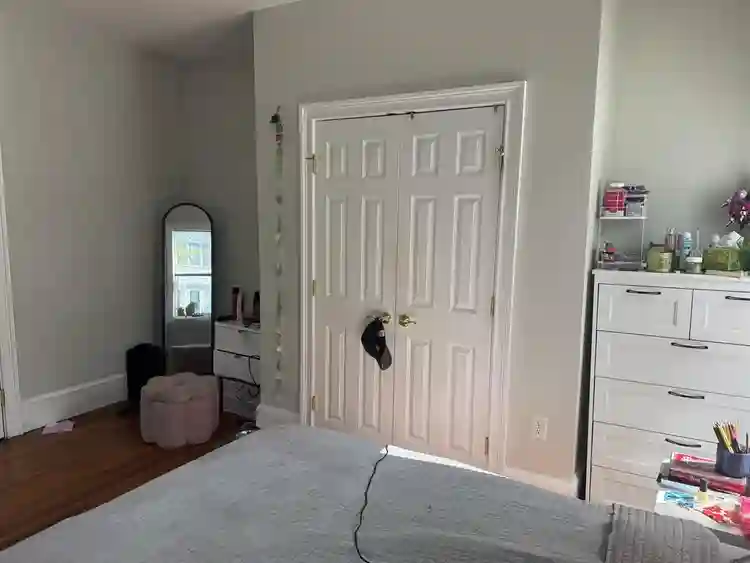
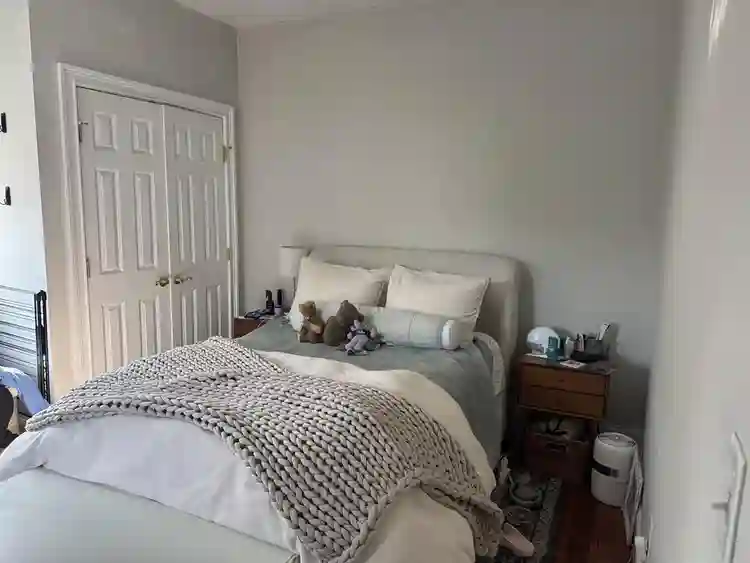
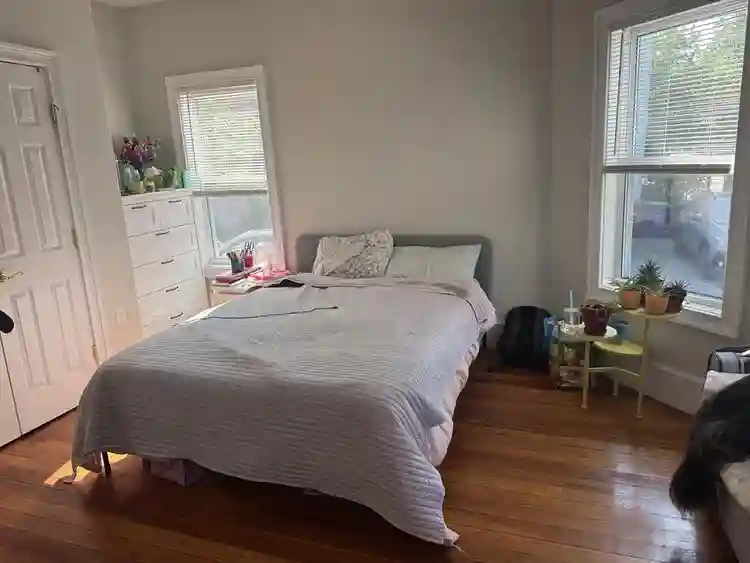
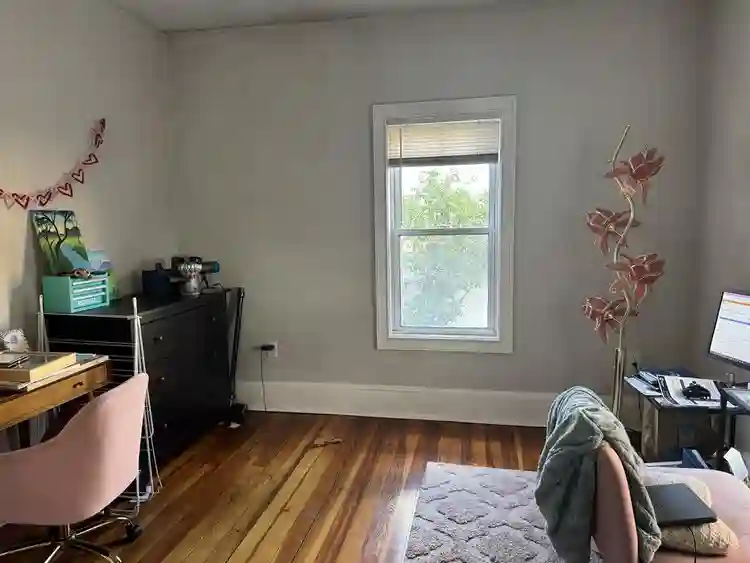
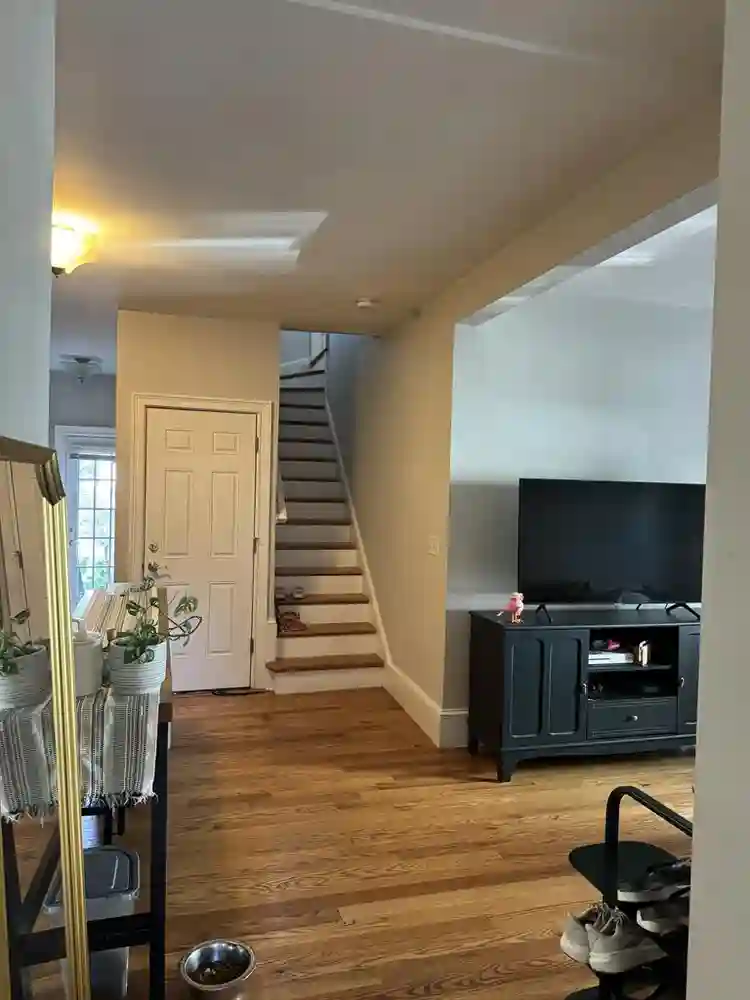
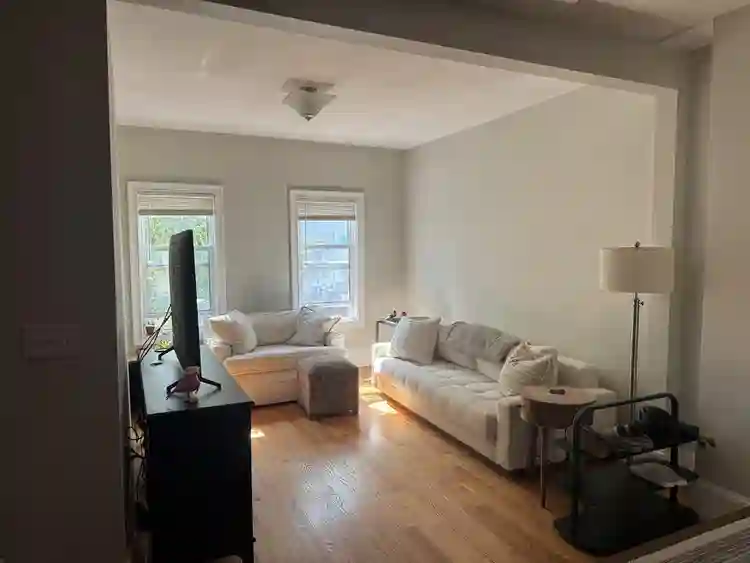
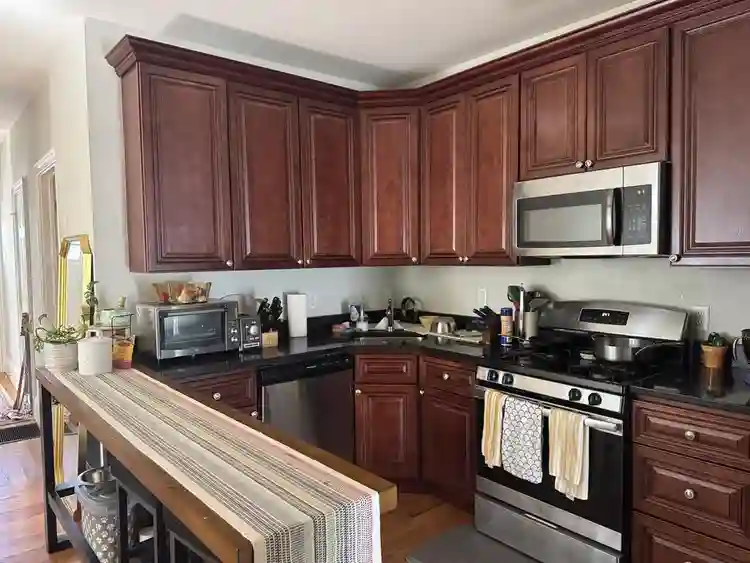
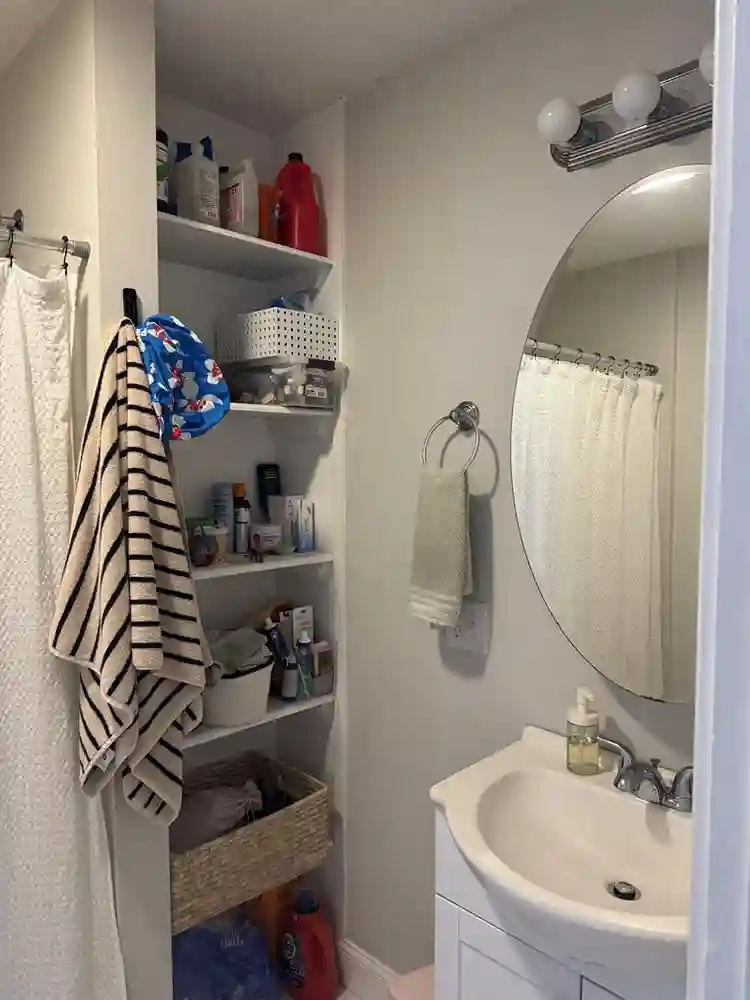
Looking for a group to take over my spacious 3 bed / 1.5 bath apartment in Somerville near Davis Square. Rent is $3,875 total (~$1,292/person split between 3), with an October 1 start date but flexibility for an earlier September move-in if needed!The apartment is spread across 2 floors with 3 separate bedrooms, a large living room, full kitchen with tons of cabinet/counter space, dishwasher + gas range, 1 full and 1 half bath, backyard/patio access, basement laundry shared with only 1 other unit, and plenty of storage. The third bedroom also works really well as a dedicated office if you're a couple or 2 roommates looking for extra space.Location is about an 8-minute walk to Davis Square and the Red Line, even closer to Teele Square, and super convenient to Cambridge, Arlington and Route 2. Somerville resident street parking is also available.I've loved living here and am only leaving because I'm relocating for work. The apartment is currently partially furnished, and I may also be open to leaving/selling some furniture depending on what the incoming tenants need.New tenants would complete the property management company's standard application/approval process. Happy to send a full walkthrough video, and I'm available for showings, message me if you think it could be a fit!
Когда должно быть доступно: Немедленно
Электронная почта подтверждена
Подтверждение по телефону
Eleanor, 71
Вся квартира | Centre Avenue, Dorchester, MA, USA
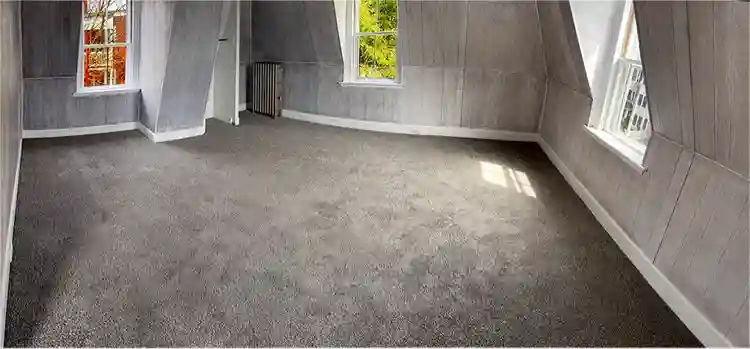
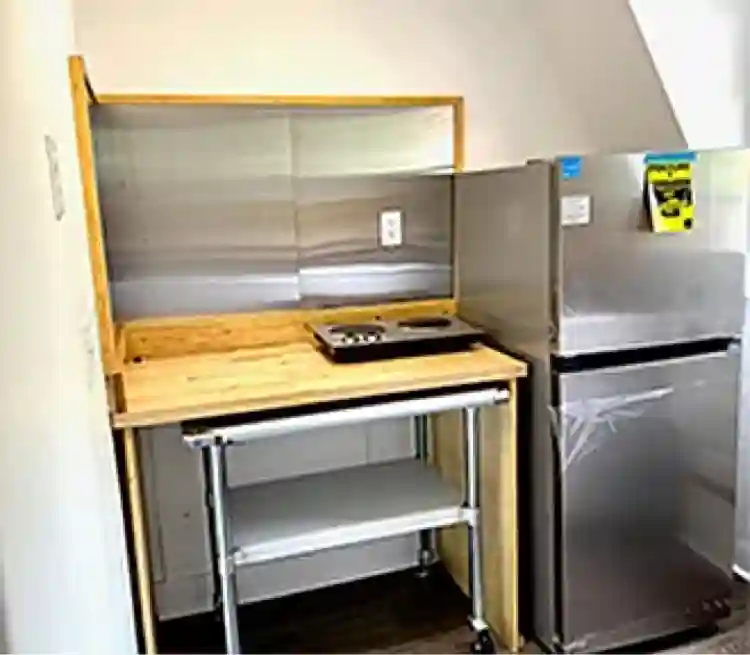
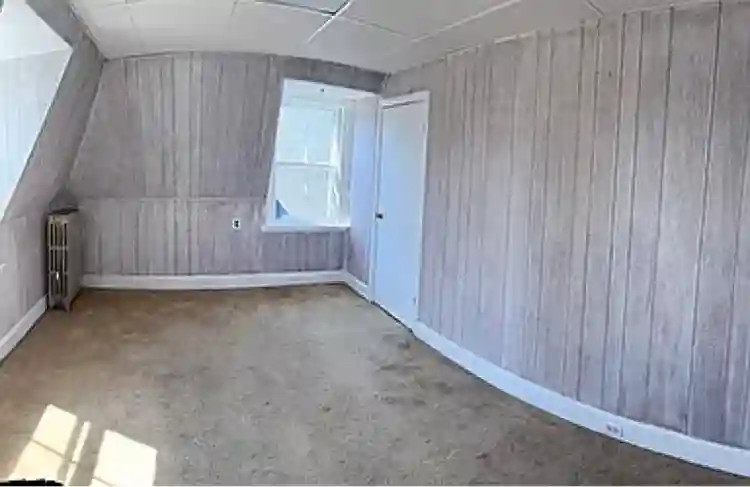
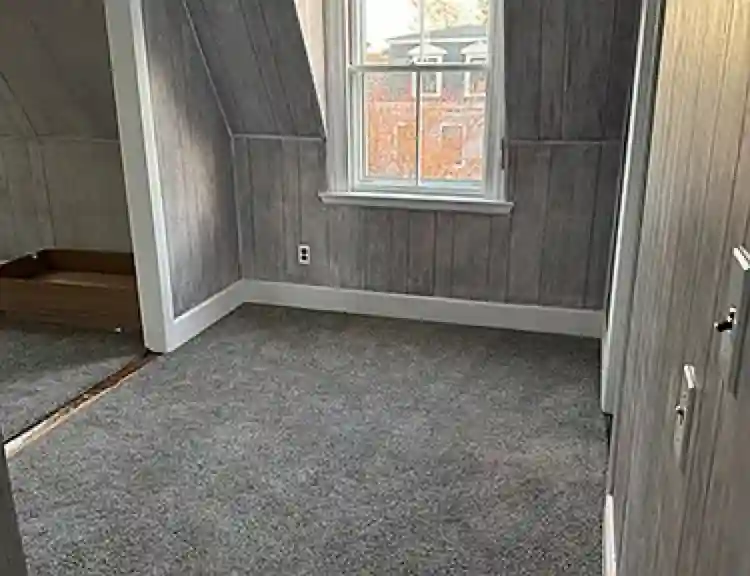
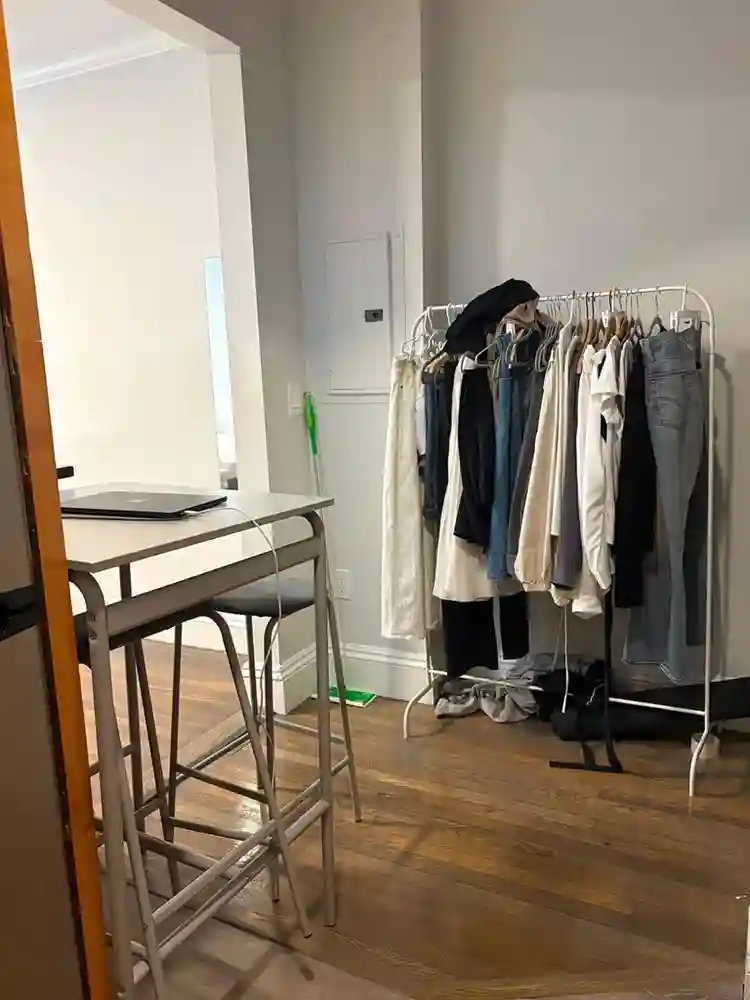
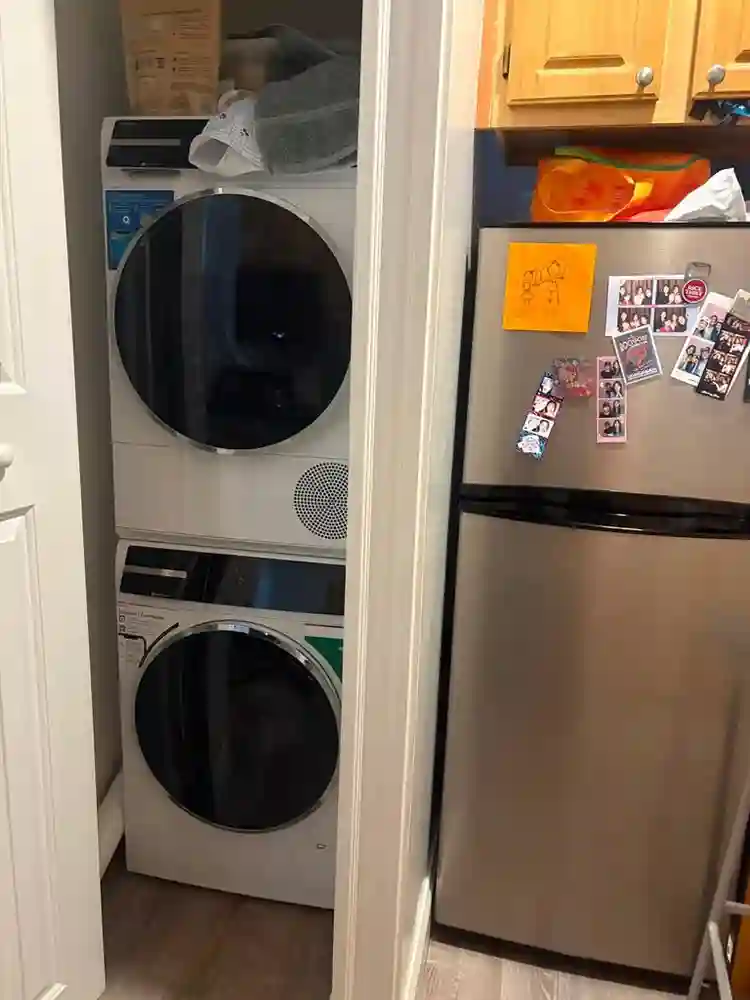
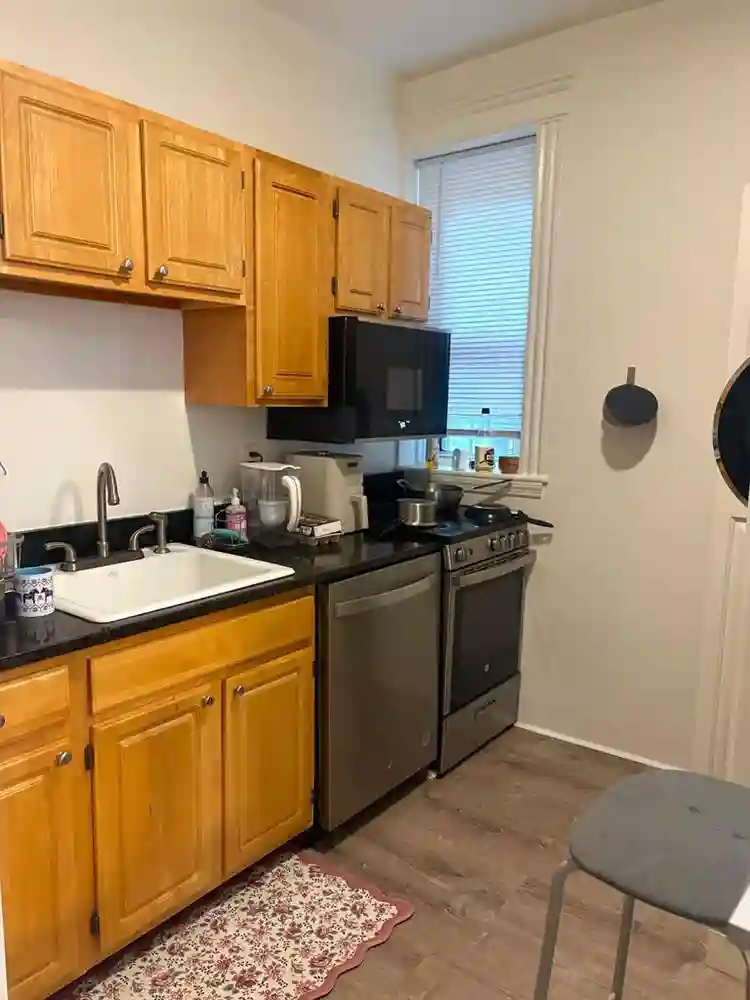
1/1 Apartment Walk to Red Line Shawmut Station $1800 includes utilities: heat, water, electricity, wifi Available Sept 2026 through August 2027 with option to renew.3rd floor walkup apartment with large windows located in a Victorian home. The apartment is accessible by either the enclosed interior staircase or the external stairs.Located in a diverse neighborhood, and just down the street from the Shawmut Station on the Red Line.The space includes a large (14 x 18) room, and a small kitchen, breakfast nook, bedroom and bathroom.On street parking, no pets, no smoking.
Когда должно быть доступно: Немедленно
Адрес проверен
Электронная почта подтверждена
Подтверждение по телефону
Hayoung, 24
Вся квартира | Fenway, Boston, MA, USA
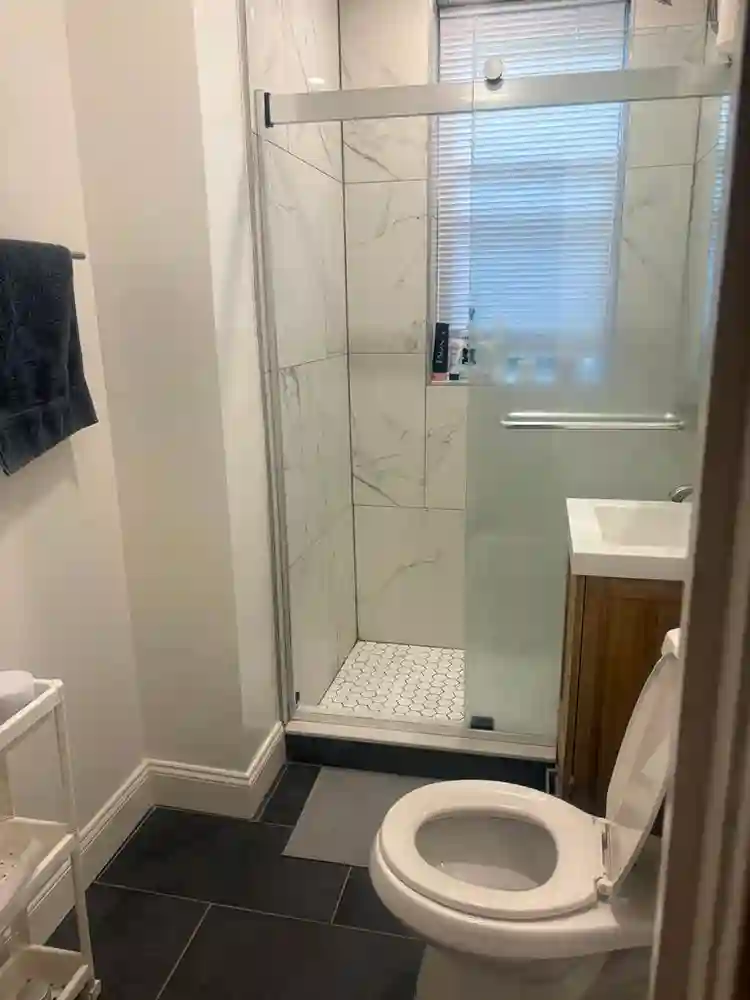
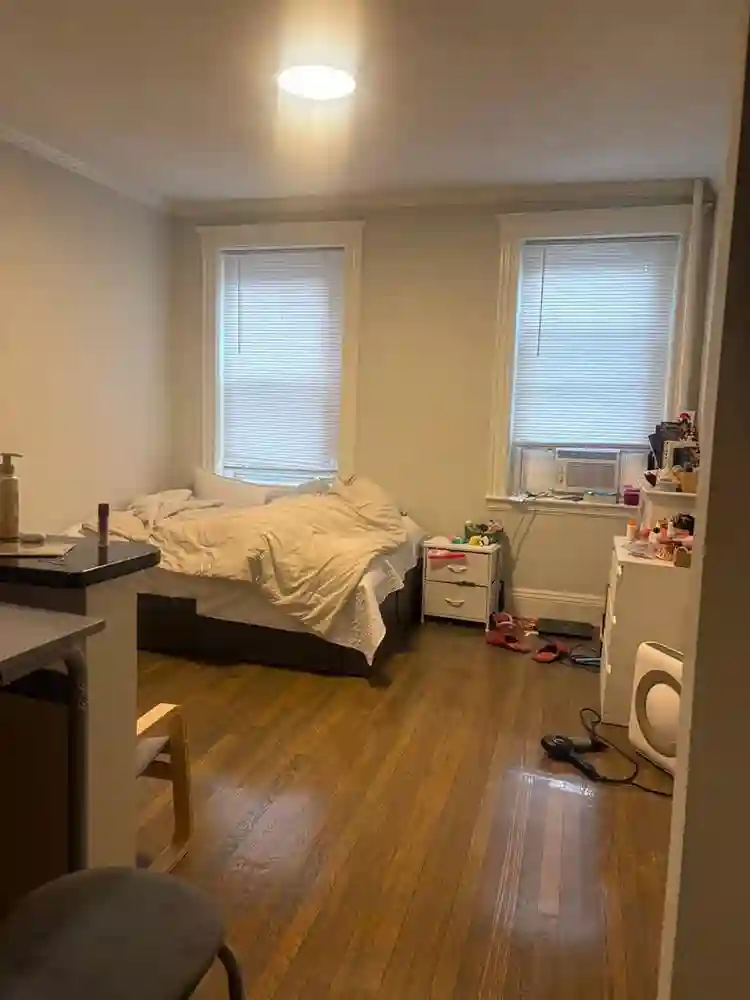
🏠 Fenway Studio Sublet – Park Drive Looking for someone to sublet my studio apartment on Park Drive in Fenway! 📅 Available: September – December 2026 or September – January 2027 (flexible)💰 Rent: $2,370/month📍 Park Drive, Fenway, Boston🏡 Studio apartment ✨ Features: * In-unit washer & dryer* Full kitchen + dishwasher* Updated bathroom with walk-in shower* Hardwood floors* Lots of natural light* Window A/C* Plenty of storage* Great amount of space for a studio Amazing location near Northeastern, Berklee, Longwood Medical Area, Fenway Park, grocery stores, restaurants, and public transportation. Photos are of the actual apartment! DM me if interested! Happy to send more details/photos or arrange a video tour.
Когда должно быть доступно: Немедленно
Электронная почта подтверждена
Подтверждение по телефону
More than anywhere else in Boston, though most of it is still a construction site. Suffolk Downs, the 161-acre former racetrack straddling East Boston and Revere, is planned for about 10,000 homes in an $8 billion buildout, and mid-rise residential construction is under way on buildings including the 473-unit Portico, with the first public space, an amphitheater and a pond, opening in spring 2026. Rising costs have slowed the pace, so this arrives over a decade rather than a season. In the meantime the market is tight: vacancy sits near 1.71 percent. Roomster lists 41 apartments for rent across the neighborhood.
One-bedrooms average about $2,386 and two-bedrooms $2,932, both a shade below last year, while three-bedrooms run near $3,392 and four-bedrooms about $4,204. The neighborhood average across all sizes is roughly $3,083. You can find cheap apartments under $2,400 a month in the Eagle Hill triple-deckers, around Day Square and out toward Orient Heights, where buildings are older and the walk to the Blue Line is longer. The waterfront is the other end of the market: Jeffries Point and the Clippership Wharf buildings trade harbor views and elevators for several hundred dollars a month more on the same bedroom count.
Almost certainly not, and the change here has been the most complete in the city. After Massachusetts moved to a whoever-hires-pays rule in August 2025, East Boston owners shifted fastest: roughly 12 percent of local landlords were paying the broker fee last March, against effectively all of them by this spring. In practice that means the fee has come off the renter side of the ledger almost entirely in this neighborhood. Ask anyway before you tour, get the answer in writing, and remember that if you hire your own agent to search on your behalf, you owe that agent regardless of what the landlord does.
It is the question to ask on any unit near the water, and the city has been blunt about why. Boston's climate assessment projects sea level roughly nine inches higher by 2030 and warns that by 2070 close to half of East Boston could be exposed to flooding in a severe storm, because low-lying pathways from the waterfront run inland. The city completed a coastal resilience plan for the neighborhood and is designing defenses along the Border Street waterfront with private landowners. For a renter the practical steps are small: ask whether the unit has flooded, check whether it sits at or below street level near the harbor, and price renters insurance that covers water damage before you sign.
Because the two ends of this market are moving in opposite directions. Studios rose more than 11 percent over the year to about $2,222, while one-bedrooms slipped slightly to $2,386, two-bedrooms eased to $2,932 and three-bedrooms drifted down near $3,392. The pressure on the smallest units comes from solo renters priced out of downtown who can reach the Financial District in one Blue Line stop or a ten-minute boat, while the larger units answer to family and roommate demand that has not grown the same way. The practical read: if you are renting alone, look hard at a shared two-bedroom, because the gap between a studio and half a two-bedroom has nearly closed.
It remains a discount, though a shrinking one. The neighborhood average across all sizes runs about $3,083 against roughly $3,371 citywide, and the gap is widest on the larger units, where an East Boston three-bedroom near $3,392 costs far less than the same size across the harbor. What you trade for the saving is specific to this side of the water: aircraft noise on the flight path, a longer walk to a station in the hill neighborhoods, and coastal flood exposure near the harbor edge. What you gain, besides the rent, is a one-stop subway ride downtown, the ferry, and the only part of Boston where thousands of new homes are actually being built.
