


há aproximadamente 1 mês
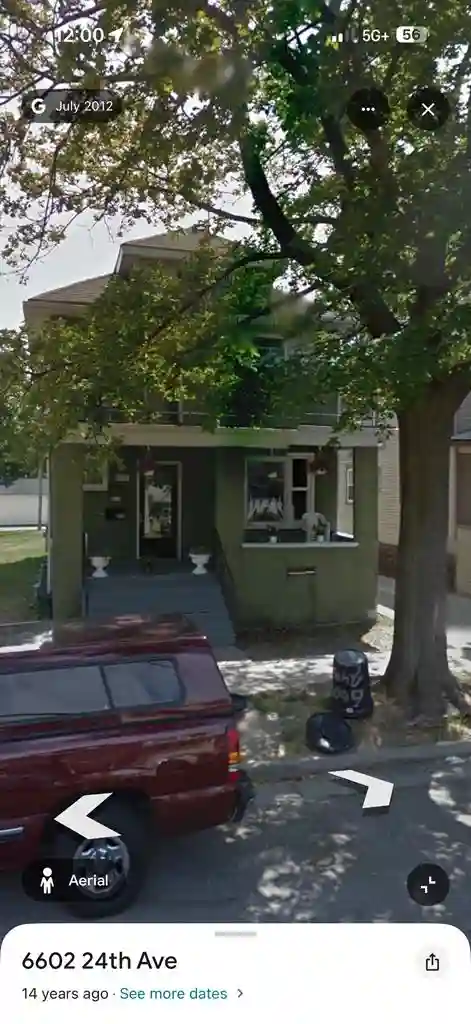


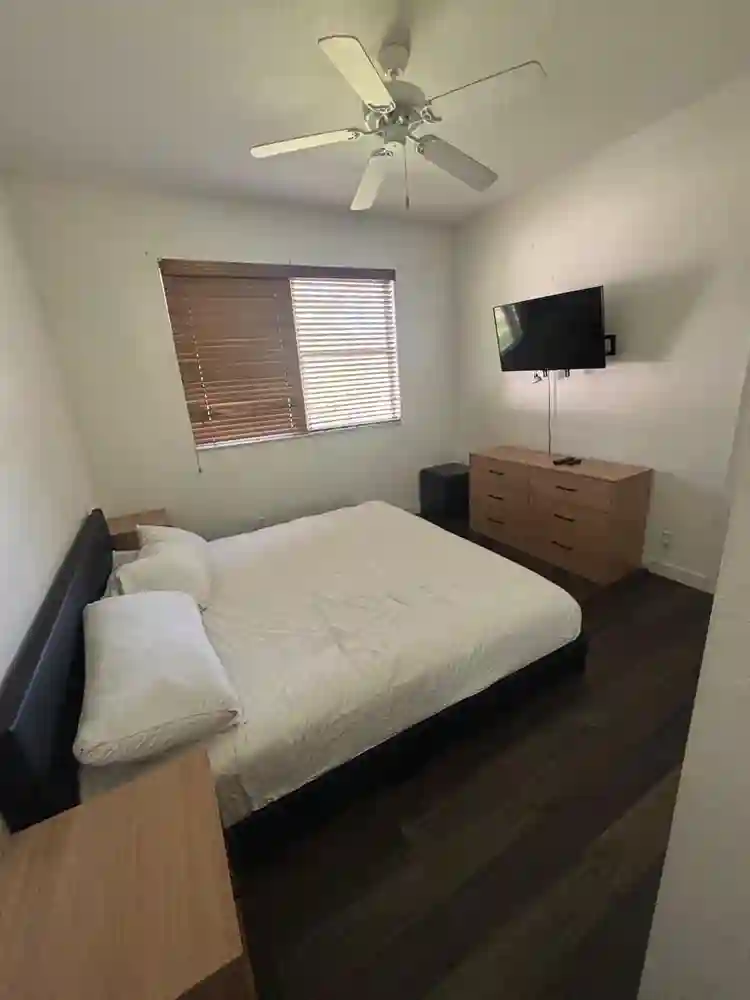

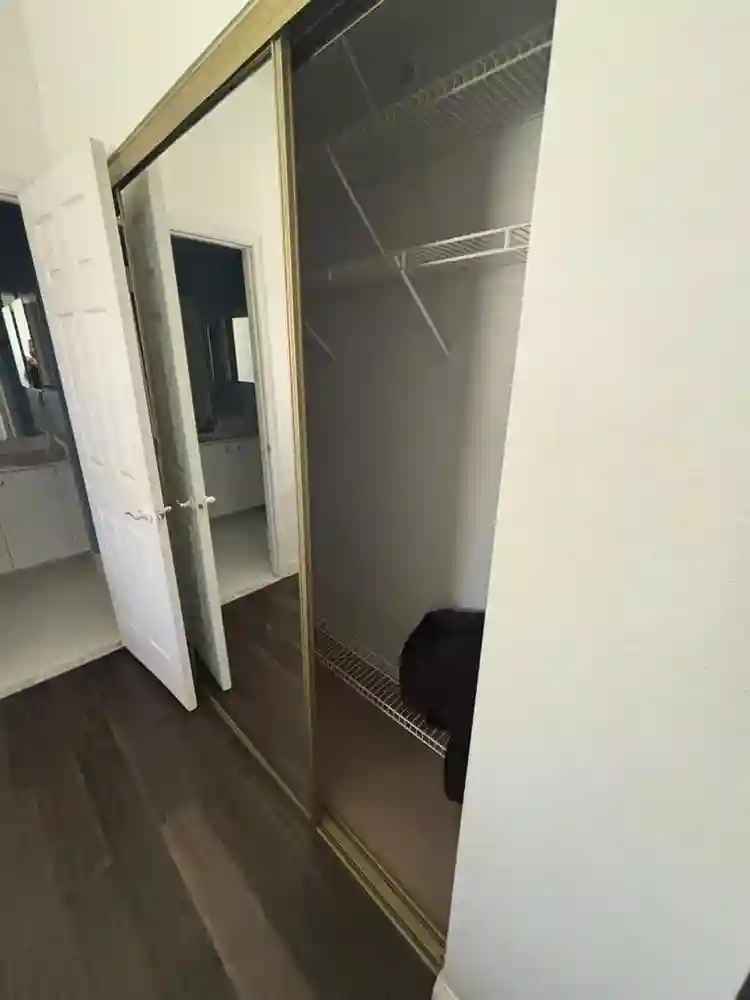





Roomster Partner, 26
Lugar inteiro | Wren Street, Lauderdale Lakes, WI, USA
Your new home awaits! This comfortable Lauderdale Lakes home is waiting for you. This PadSplit has a Garage and Dining area, and it’s newly-renovated and modern.The kitchen comes equipped with a fridge, sink, oven, stovetop, as well as more than 1 fridge.The neighbourhood is near grocery stores, which means you won’t be far from all Lauderdale Lakes has to offer.
Data disponível: 24/05/2027
ID verificado
E-mail validado


Carlos, 29
Lugar inteiro | 60012, Crystal Lake, IL, USA
Hi, my name is Carlos. I am a 29-year old professional. I am listing a vacant apartment in Crystal Lake. The monthly rent is $1000 and the place is available immediately.
Data disponível: Imediatamente
E-mail validado
Telefone validado
Kenosha prices like a border city, because that is what it is. At about $1,498 it sits above Racine at $1,205 to the north and above Waukegan at $1,429 immediately across the Illinois line, while running under Milwaukee at $1,632, and it rose 4.69 percent over the past year from $1,431. The premium over its neighbors is largely paid for access: this is the only place in Wisconsin with a direct commuter rail seat into downtown Chicago. The 4 apartments for rent showing around Kenosha spread from the older housing on the west side to the newer stock near the harbor, and 41 percent of local households rent, some 16,640 of them. The single tightest band is telling: 57 percent of listings ask between $1,001 and $1,500.
The citywide average is about $1,498 for roughly 896 square feet. A one-bedroom runs near $1,338 for about 706 square feet, a two-bedroom near $1,575 for around 1,016, and a three-bedroom near $2,120 for about 1,187, which is a notably steep step up for the extra room. Where you look matters more than the citywide number suggests: downtown Kenosha averages about $1,757 while Poerio comes in around $1,114, a spread of more than 50 percent inside one modest city. You can find apartments under $1,200 a month in Poerio and the older blocks west of the city center. With 57 percent of listings clustered between $1,001 and $1,500, most of this market sits in one band and your real choice is which end of it you take.
None, and Wisconsin has shut the door on it firmly. Under Wisconsin Statute 66.1015 no city, village, town or county may regulate the amount of rent or the fees charged for a residential rental unit, so Kenosha has no power to cap what you pay whatever its council might wish, and the same section also blocks inclusionary zoning. The narrow exceptions concern housing a municipality itself owns or operates, or units covered by an agreement it has entered into, none of which touches an ordinary private tenancy. What that means practically is that your rent at renewal is governed by your lease and nothing else, which is worth weighing in a market that moved 4.69 percent in a year. Read the renewal clause before you commit to a first term rather than after.
Wisconsin gives tenants a specific and underused set of rights here. Before taking your deposit a landlord must tell you in writing that you are entitled to inspect the unit and report any pre-existing damage, and you then have seven days from the start of the tenancy to complete and return a check-in sheet documenting defects. At the end of the tenancy the landlord has 21 days from the end of the rental agreement to send the deposit, less anything lawfully withheld, to your last known address, and where any amount is kept back they must provide an itemized written statement inside that same window, even if they are keeping the whole sum. Miss the check-in sheet and you lose your best evidence; miss the 21-day date on their side and you have a real claim. Photograph everything on both days.
Yes, and this is the part of the city where paying more is defensible. The Metra terminus on 13th Avenue is what makes Kenosha work as a Chicago commuter town, so the downtown blocks within walking distance of it hold their value and carry the highest rents in the city at around $1,757. The electric streetcar, running since June 2000 on a two-mile loop with 17 stops, connects those same downtown streets with the harbor and the museum district and stops beside the station parking lot, which makes the core genuinely walkable in a way the rest of Kenosha is not. Kenosha Area Transit covers the wider city and Pleasant Prairie with 47 buses on seven routes. If you are not commuting by rail, the western neighborhoods give you the same city for several hundred dollars a month less.
Kenosha is the expensive middle of a cheap neighborhood, which is unusual and worth understanding before you sign. Racine at about $1,205 is roughly $293 a month cheaper twenty minutes north, and Waukegan at about $1,429 is around $69 cheaper immediately south over the state line, though moving there puts you into Illinois income tax. Milwaukee at $1,632 is the only nearby city that costs more, about $134 above Kenosha, and it offers a full metro in return. So the honest framing is that you pay a premium here for the train and for the lakefront, and if you need neither, Racine delivers most of the same lifestyle for meaningfully less. If you do commute to Chicago, no amount of saving in Racine replaces a seat on the Union Pacific North Line.
If you plan to rent an apartment in Kenosha, WI, knowing how to balance your budget, preferred neighborhoods, and lease details will help you find the best fit. Whether you're a professional, a couple relocating, or a commuter, understanding apartment types and lease options is essential for a smooth rental experience.
Kenosha features a variety of apartment options, including studios, one-bedroom, and two-bedroom units, along with shared apartments. Many renters prioritize apartments near public transit and walkable areas to ease daily commutes. Budget expectations can vary by neighborhood, with some areas offering more affordable unfurnished apartments and others providing luxury or furnished units with amenities like parking and laundry.
Renters seeking flexibility may look for month-to-month leases or sublet opportunities, though availability depends on current market conditions. Professionals and couples often value parking and easy access to main commute routes, while singles and relocating renters might focus more on neighborhood compatibility and lease terms.
To narrow your search effectively, consider these key factors when comparing apartments:
Using filters on platforms like Roomster will help you find listings that meet these criteria, saving you time and effort.
When budgeting for an apartment in Kenosha, WI, account for more than just monthly rent. Additional costs such as security deposits, utilities, and parking fees may apply. Lease agreements often range from one-year commitments to more flexible month-to-month or sublet options, which can be ideal for short-term stays.
Applications typically require documentation and may include an ID check. Knowing your move-in date and lease obligations in advance helps avoid unexpected issues. Flexibility with timing can sometimes lead to better rental terms or pricing.
Be cautious of listings requesting unusual payment methods or personal documents before meeting landlords or property managers. Always meet or communicate through trusted channels before signing agreements or making payments.
Platforms offering ID and address checks for listings add an extra layer of protection. Maintain clear communication records and never share sensitive information unless you are certain of the listing’s legitimacy.
Roomster helps streamline your apartment search by enabling filters for budget, lease terms, apartment types, and amenities like parking and laundry. Creating a detailed profile with your move-in date, budget, and preferences can connect you with listings that match your needs.
Regularly updating your search and responding quickly to inquiries increases your chances of securing the right apartment. Checking frequently also helps you spot new listings, including sublets and month-to-month rentals that fit flexible schedules.
Studios and one-bedroom apartments are commonly available and balance affordability with space. Shared apartments and sublets may also be found depending on the season and neighborhood.
Consider your budget and privacy preferences. Studios tend to be more affordable but smaller, one-bedrooms offer more space, and shared apartments can lower costs but require compatible roommates.
Ask about lease length, move-in date, included utilities, parking options, and any application requirements such as ID checks or deposits.
Begin your search 30 to 60 days before your desired move-in date to find suitable options and complete applications without rushing.
Compare apartment listings in Kenosha, WI and narrow your search on Roomster to find an apartment that fits your budget and lifestyle.