How many rooms for rent are there in Gramercy, and do any come with a Gramercy Park key?
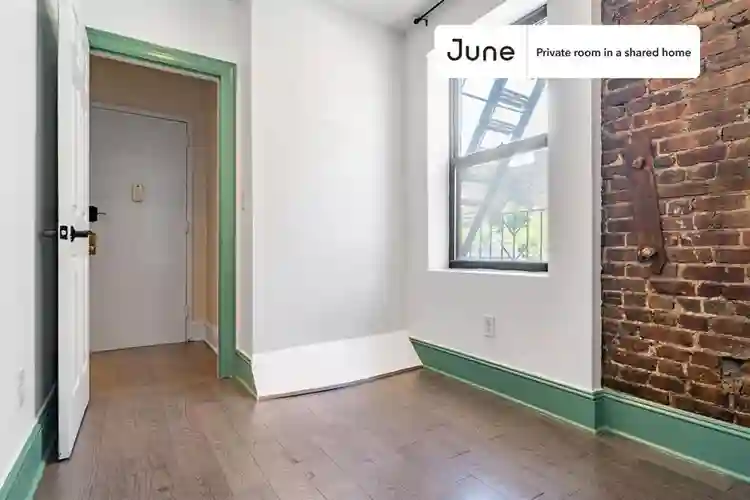
Almost none come with a key, and the park explains a lot about how housing works here. Gramercy Park has been private since Samuel Ruggles's deed of December 17, 1831, and only the 39 original lots around it hold keys, two per lot, with roughly 400 in circulation. A spare bedroom in one of those buildings is rare. Most rooms sit a few blocks away instead, in prewar walk-ups along Second and Third Avenues and in the postwar doorman buildings that line Third Avenue through the high teens and low 20s. That pattern, a small landmarked core surrounded by ordinary Manhattan apartment stock, is what keeps rooms turning over. The live count on Roomster stands at 12 rooms, nearly all of them on those surrounding blocks rather than on the park itself.
What does a room for rent in Gramercy cost, and where are the cheaper ones?
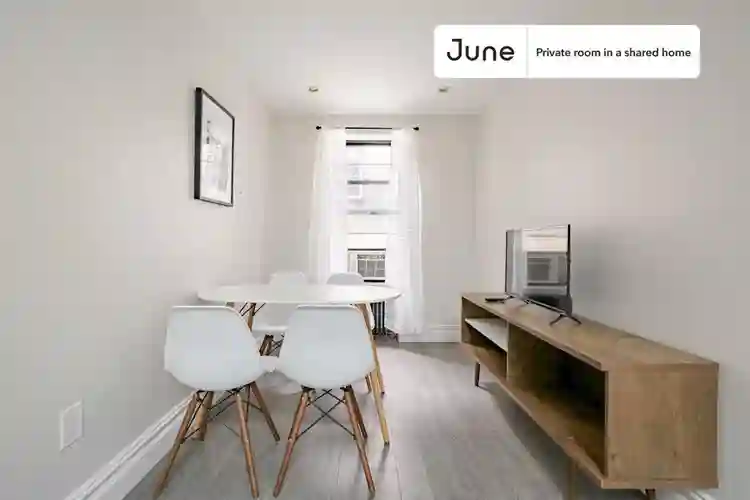
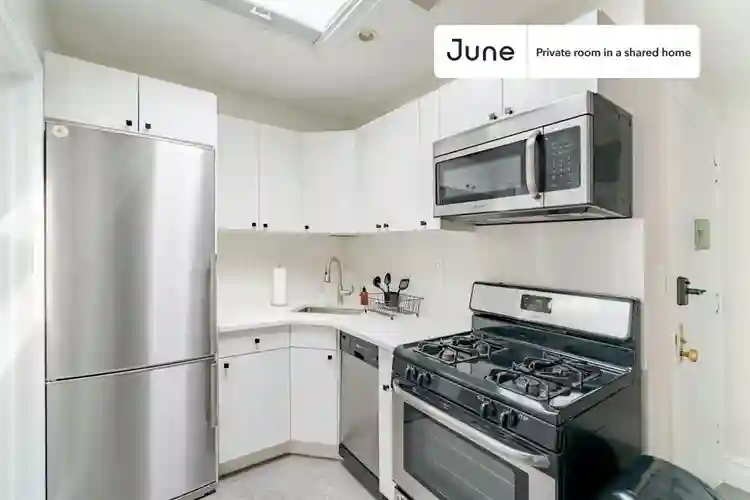
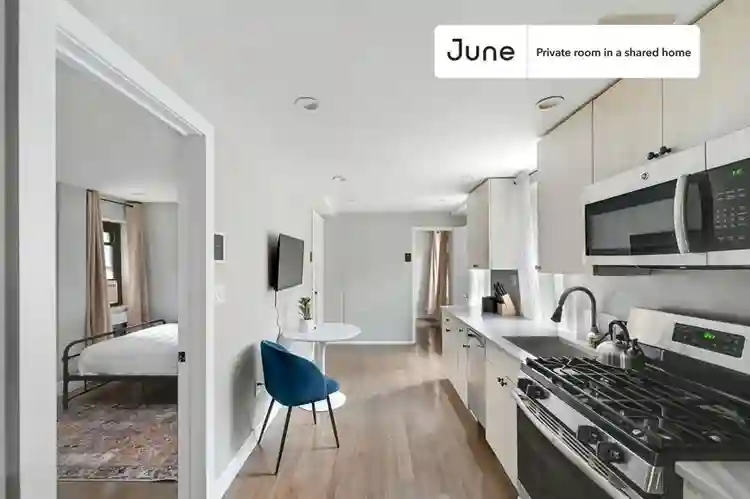
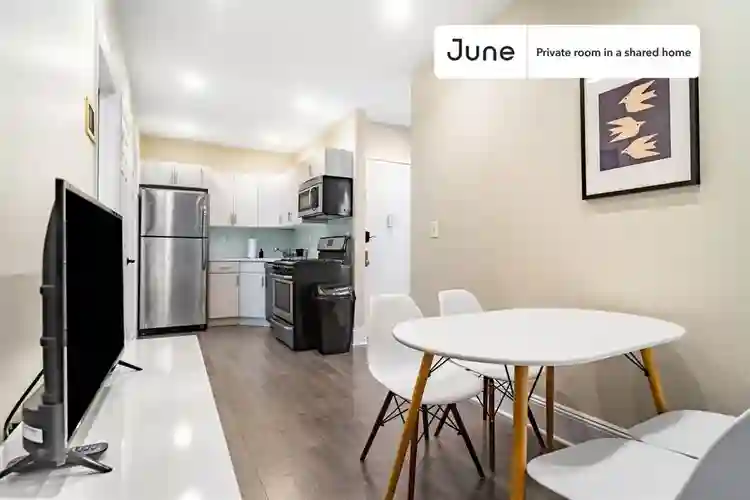
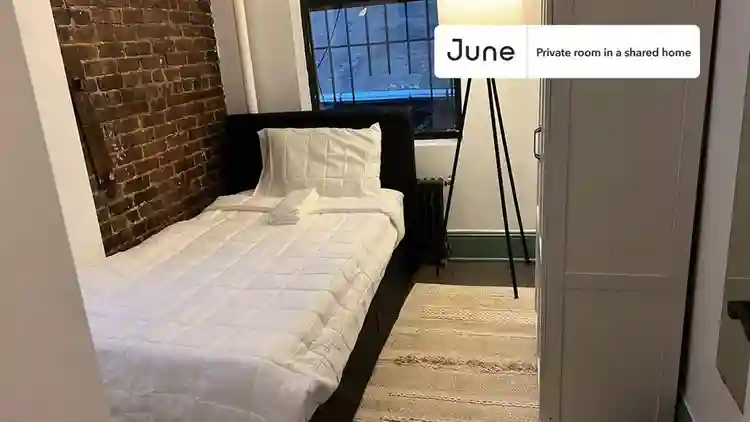
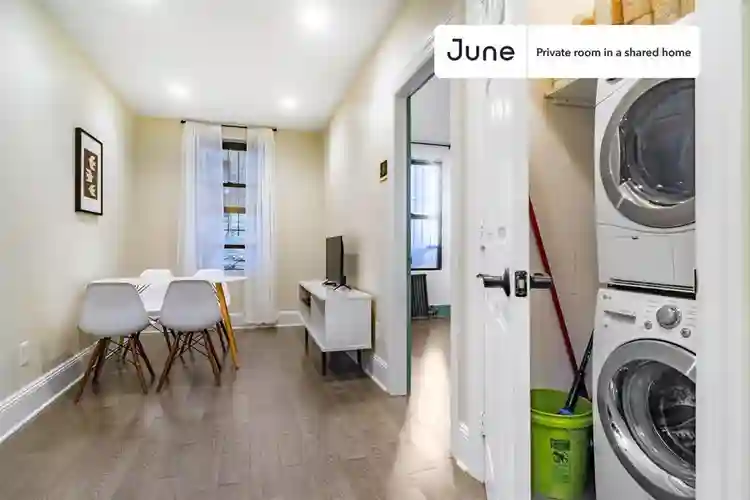
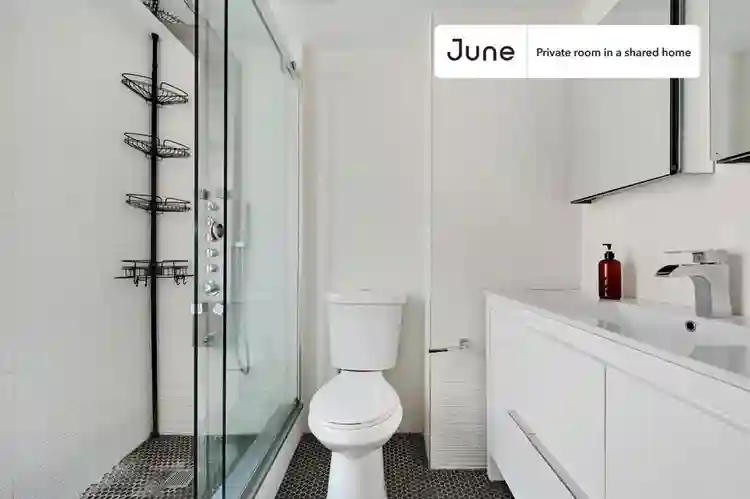
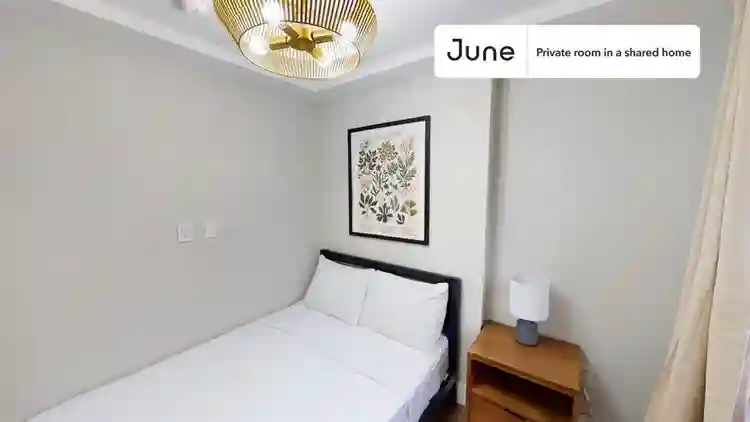
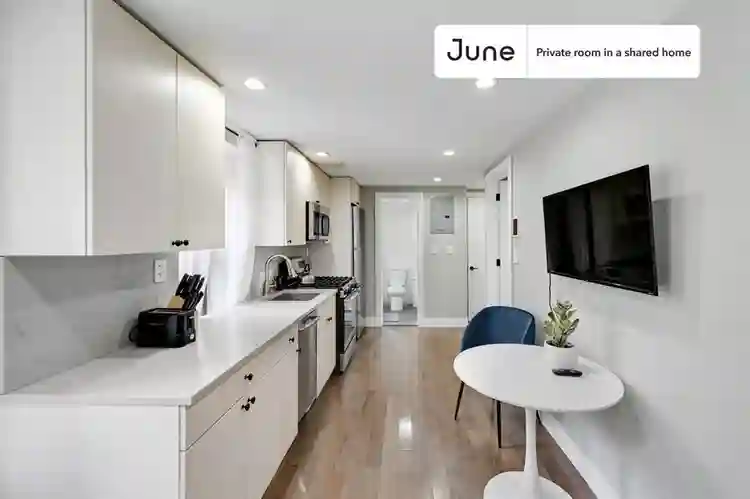
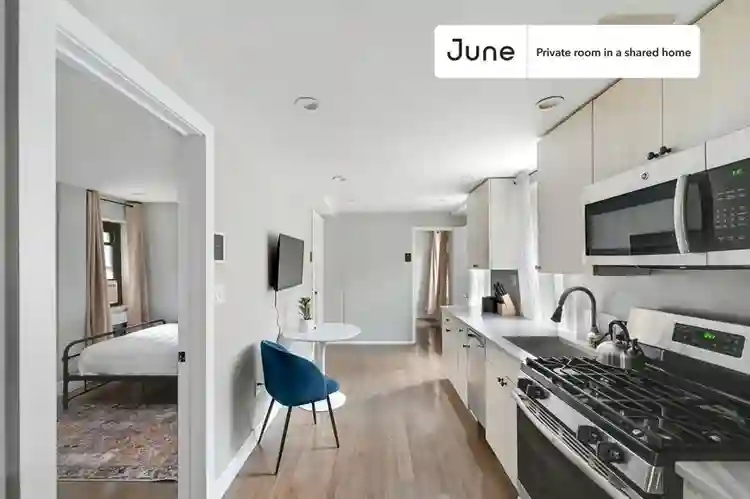
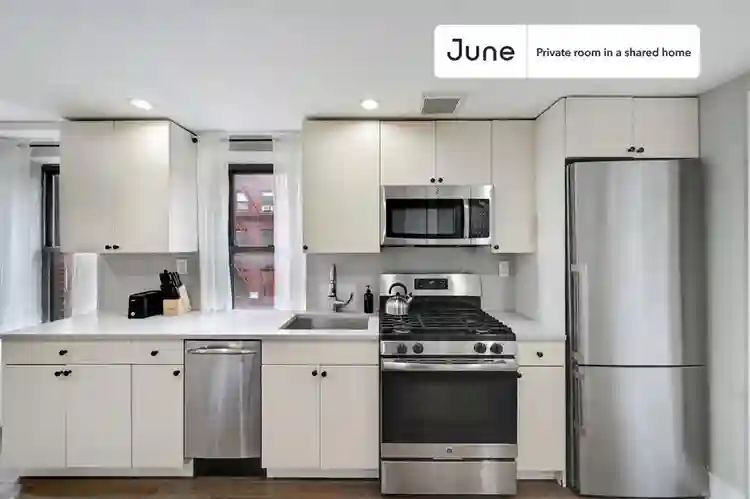
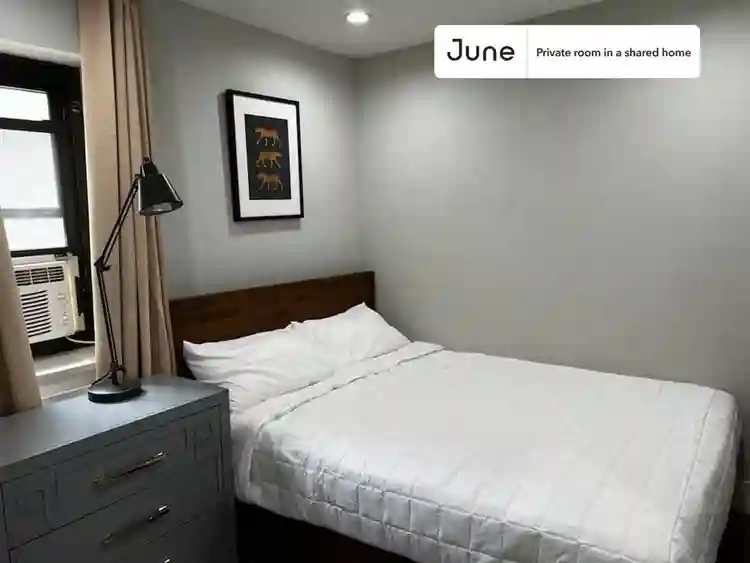
Room prices spread unusually wide here, from under $1,000 for a small room in a crowded share to about $3,000 for a large furnished bedroom, and the average asking price for a room sits near $2,635. The spread comes from what is bundled in: furnished co-living rooms with cleaning and utilities included run past $3,000, while a plain bedroom in a leaseholder's walk-up costs far less. For rooms under $1,500 a month, look east and north of the park: utility-included rooms in Gramercy walk-ups have been offered from about $1,300, and shares that straddle Kips Bay and Murray Hill list near $1,475. Rooms close to Union Square and anything on the park's own blocks sit at the top of the range.
Can I find a room for rent near Baruch College or the School of Visual Arts?
Yes, both campuses sit inside the neighborhood, and each shapes the room market around it differently. Baruch College, part of CUNY, is largely a commuter school whose Newman Vertical Campus stands on Lexington Avenue at 24th Street, so most undergraduates live at home, but graduate and international students do look for rooms within walking distance. The School of Visual Arts on East 23rd Street draws students from across the country who need a room for a September start. Rooms on the blocks between Lexington and Second Avenues, from about 20th to 26th Street, put either campus a few minutes away on foot. For a fall move-in, search in May and June, ahead of the August rush, and ask whether the room is offered on a 12-month lease or for the academic year.
Are Gramercy rooms for rent close to the subway, or will I rely on buses?
That depends on how far east the room sits. The western edge is well served: the 6 stops at 23rd and 28th Streets on Park Avenue South, and 14th Street-Union Square adds the 4, 5, L, N, Q, R and W within a short walk. East of Third Avenue the subway thins out, and the L at Third and First Avenues is the only line close to the eastern blocks. That is where buses do the work: the M23 Select Bus Service runs crosstown on 23rd Street, and the M15 Select Bus Service runs up First Avenue and down Second. Rooms near First and Second Avenues rent for less partly because of that longer walk to a train, so check the bus routes against your commute before you rule them out.
Is a room for rent in Stuy Town an option if I want to live near Gramercy?
It can be, but the rules there are unusual, so know them first. Stuyvesant Town and Peter Cooper Village, the complex directly east of First Avenue, hold roughly 11,200 apartments, and since the landlord dropped its court challenge in 2024, every one of them remains permanently rent stabilized. Stabilized tenants may take in a roommate, but the rules cap what the leaseholder can charge you at a proportionate share of the legal regulated rent, so a room in a stabilized unit should not cost more than your fair portion of it. Ask to see the lease and the rent figure on it, and make sure you will have keys and building access in your own name. The trade-off is distance: much of the complex is a long walk from the nearest subway.
Should I take a furnished co-living room for rent in Gramercy or a sublet?
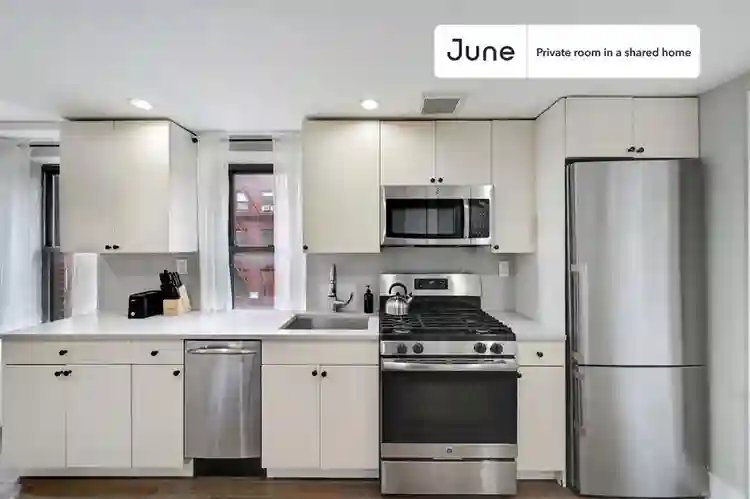
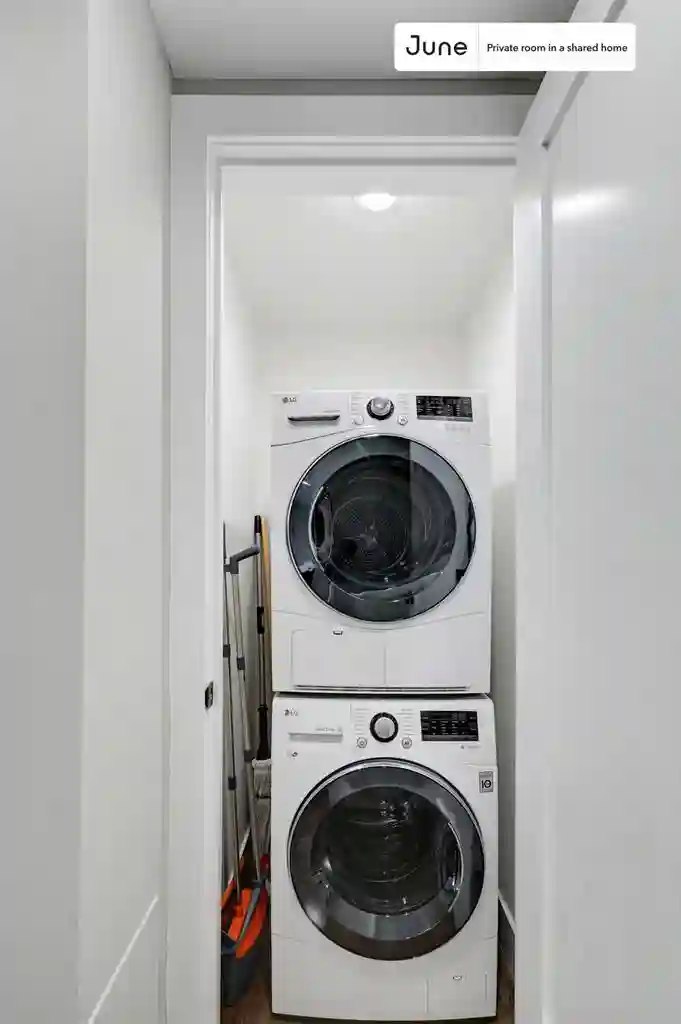
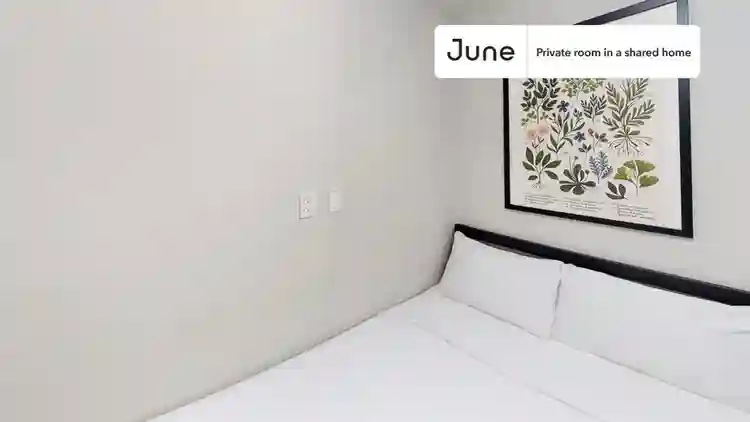
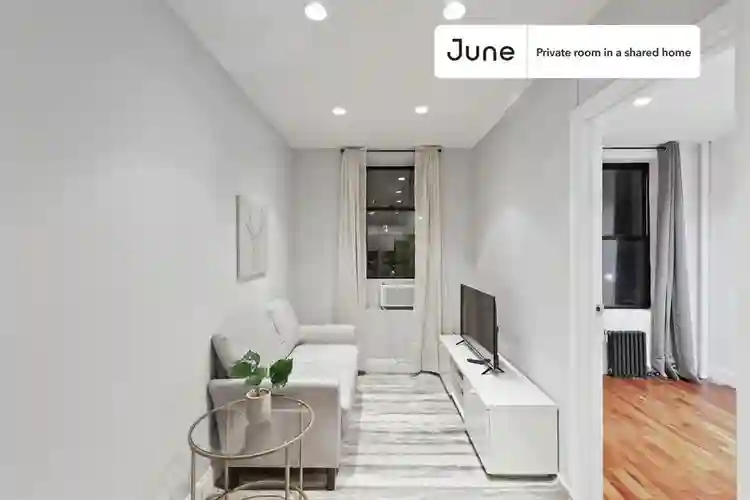
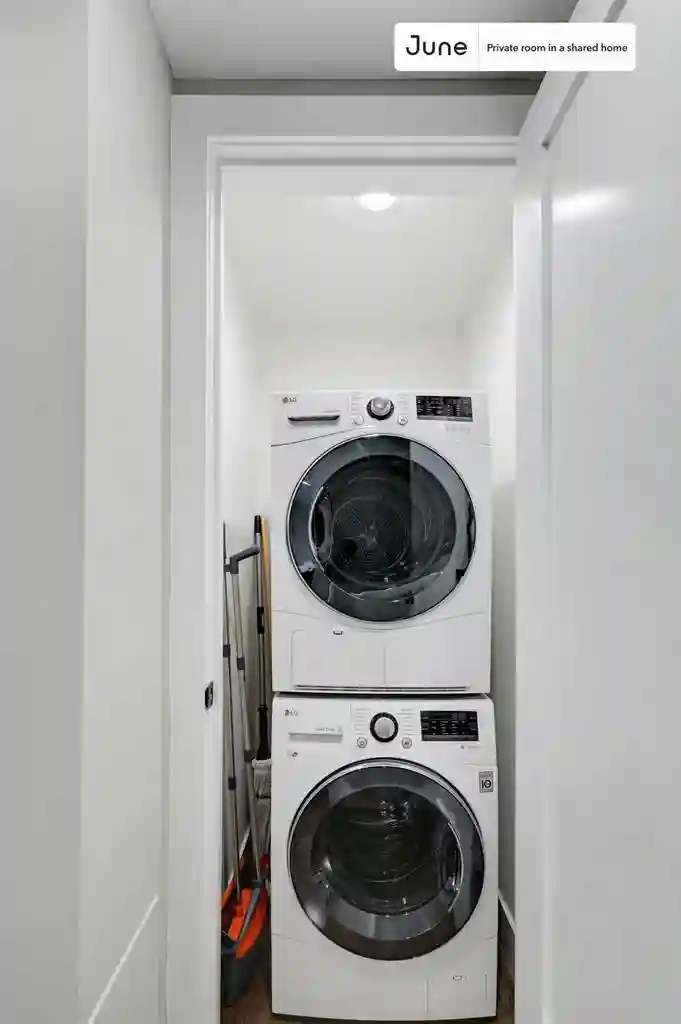
It comes down to flexibility against price. Co-living operators are well established in Gramercy, renting furnished rooms with utilities, Wi-Fi and cleaning bundled in, often around $3,300 to $3,500 a month for shorter stays; you pay for convenience and a lease that can end after a few months. A sublet from a leaseholder usually costs less but depends on that person's lease. Tenants in buildings with four or more units have a legal right to sublet with the landlord's written consent, which cannot be unreasonably withheld, while a co-op owner subletting needs board approval, and many boards limit how long. Whichever you choose, keep the stay at 30 days or more, because the city only allows shorter stays when the host lives in the apartment, is present and has registered.