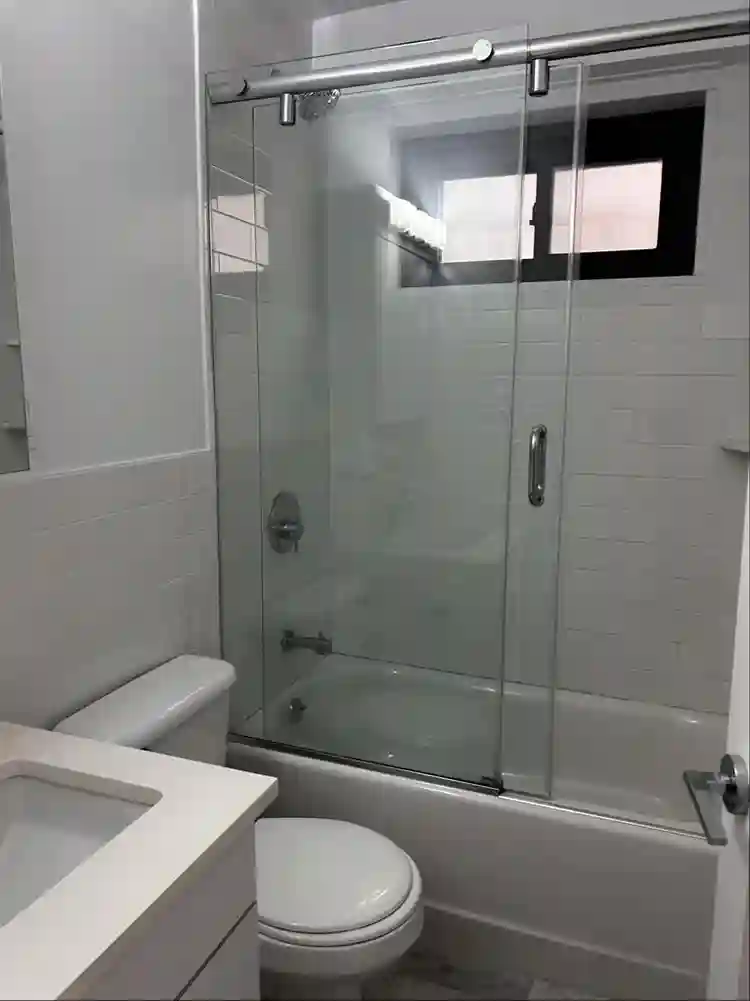
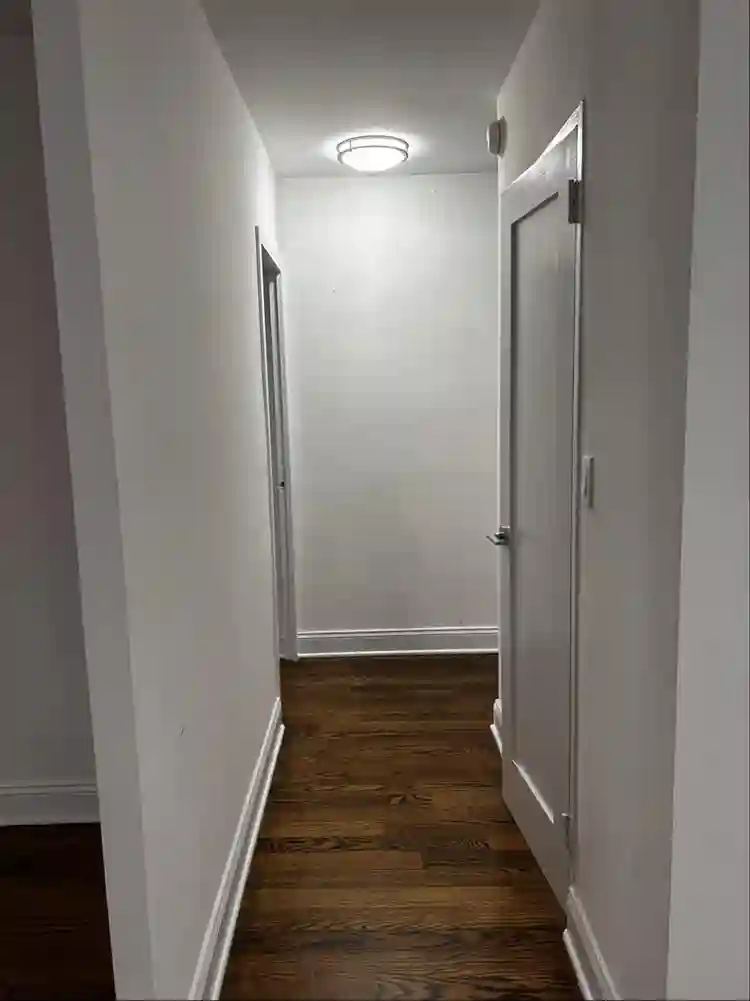
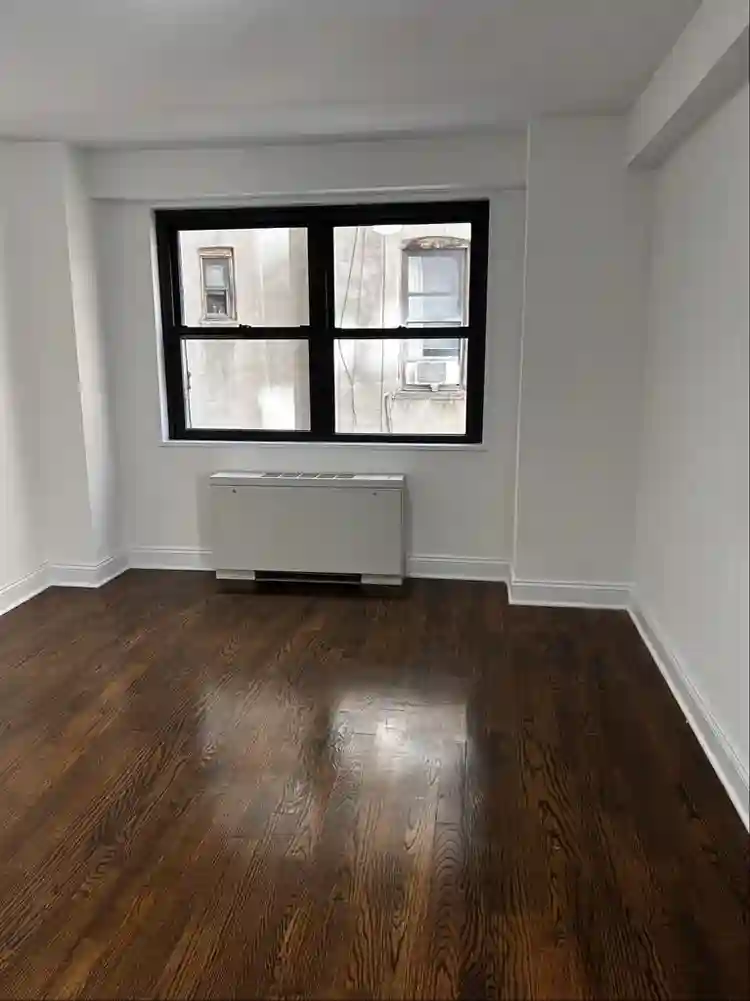
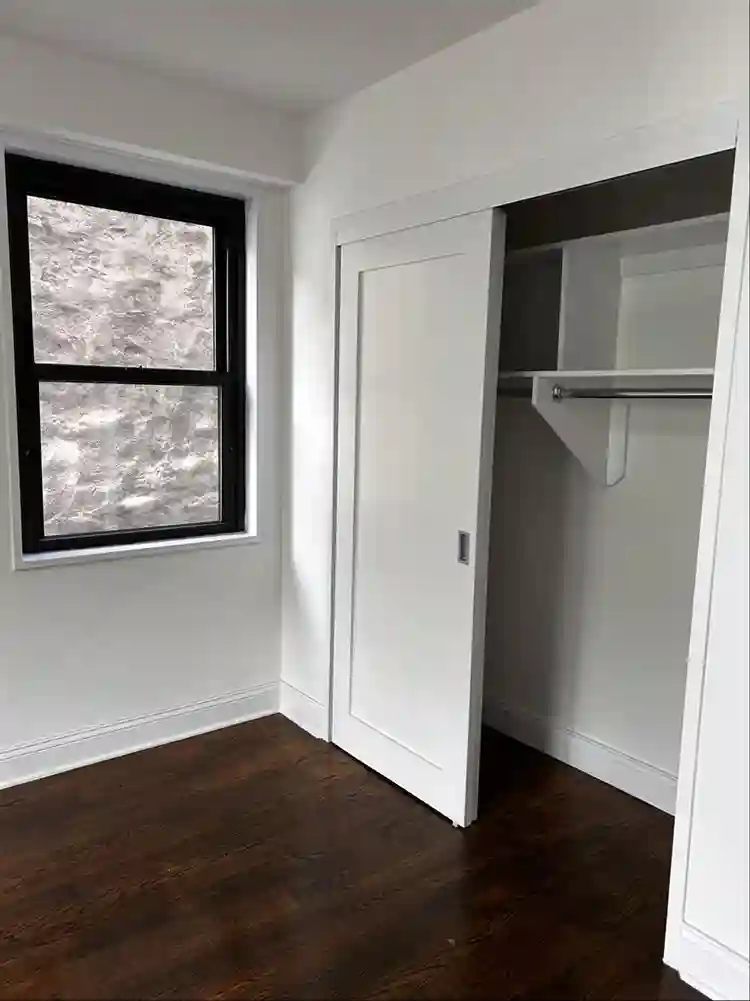
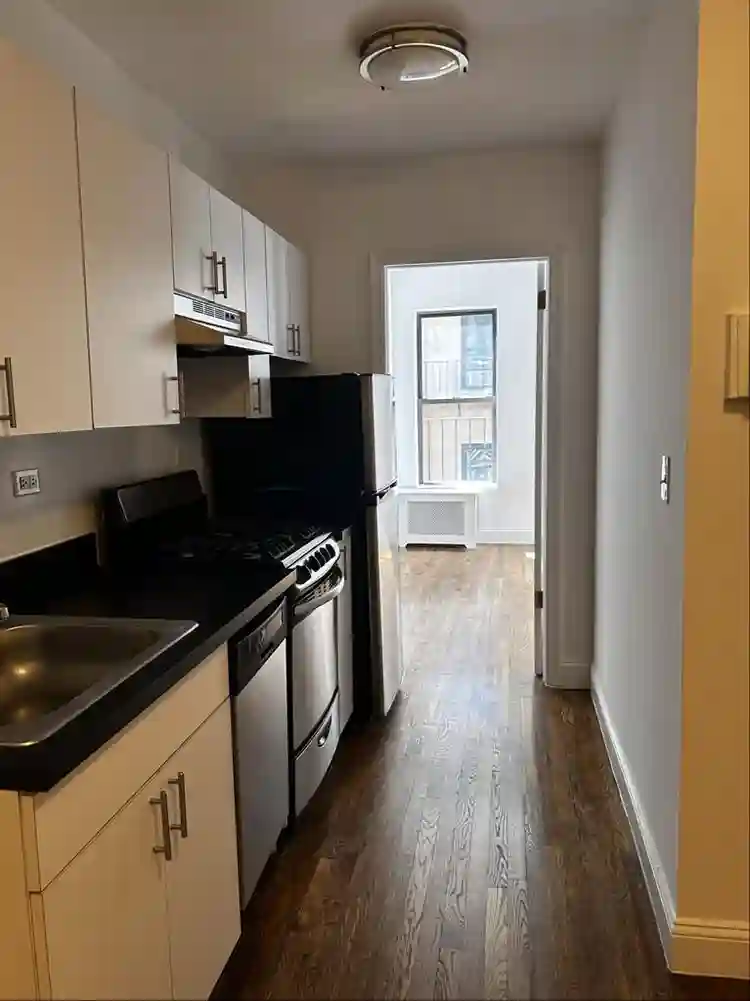
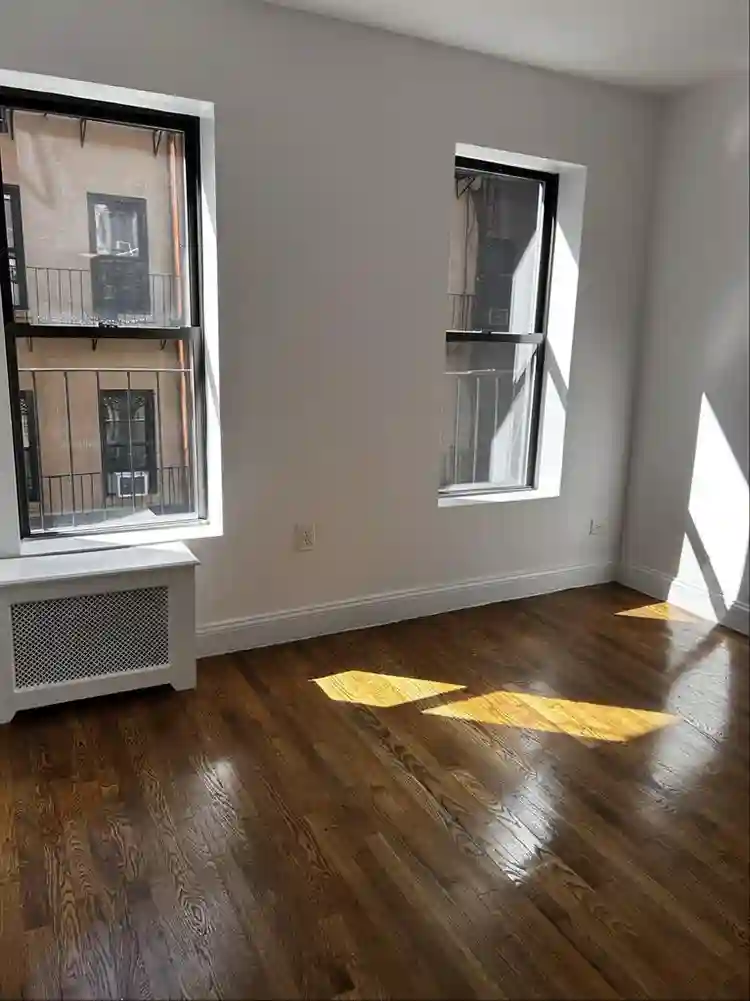
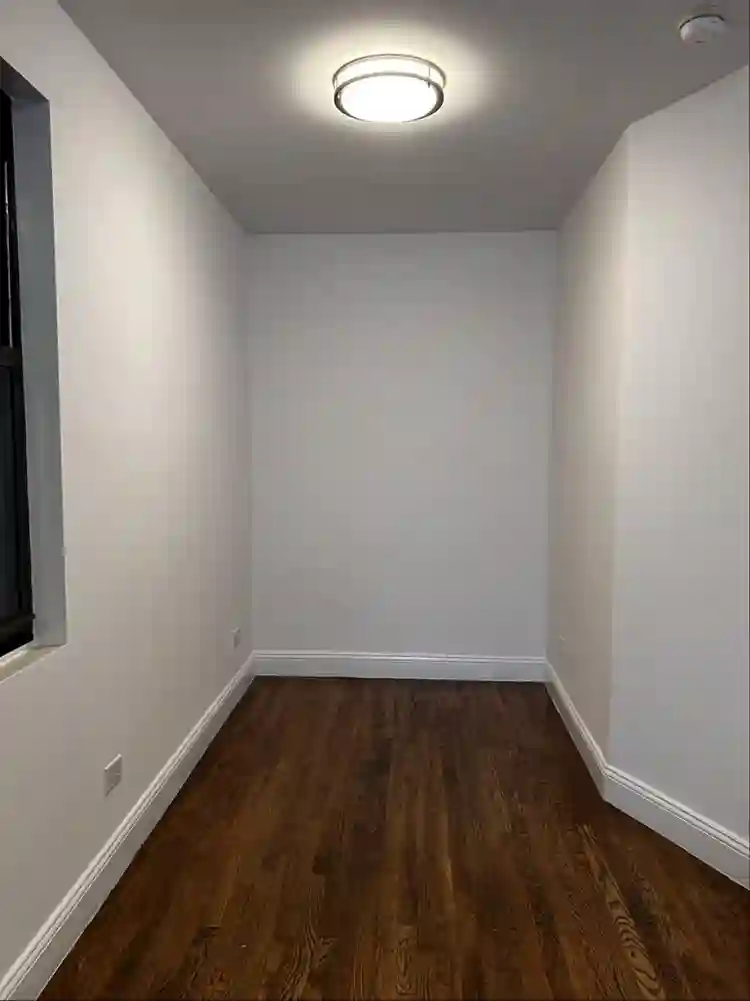
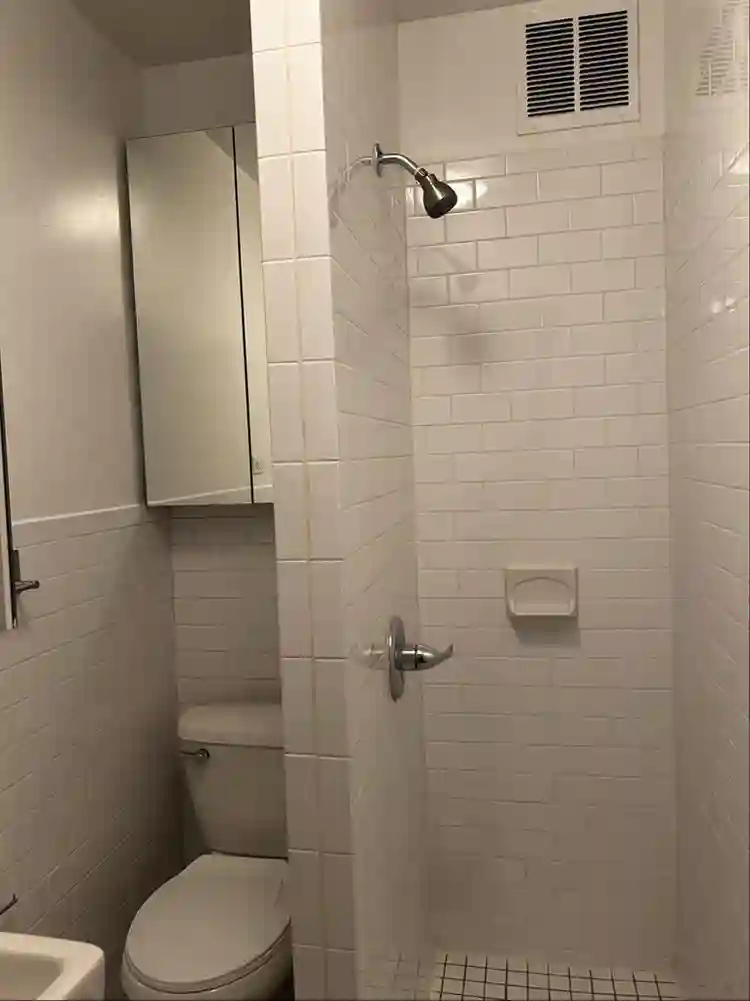
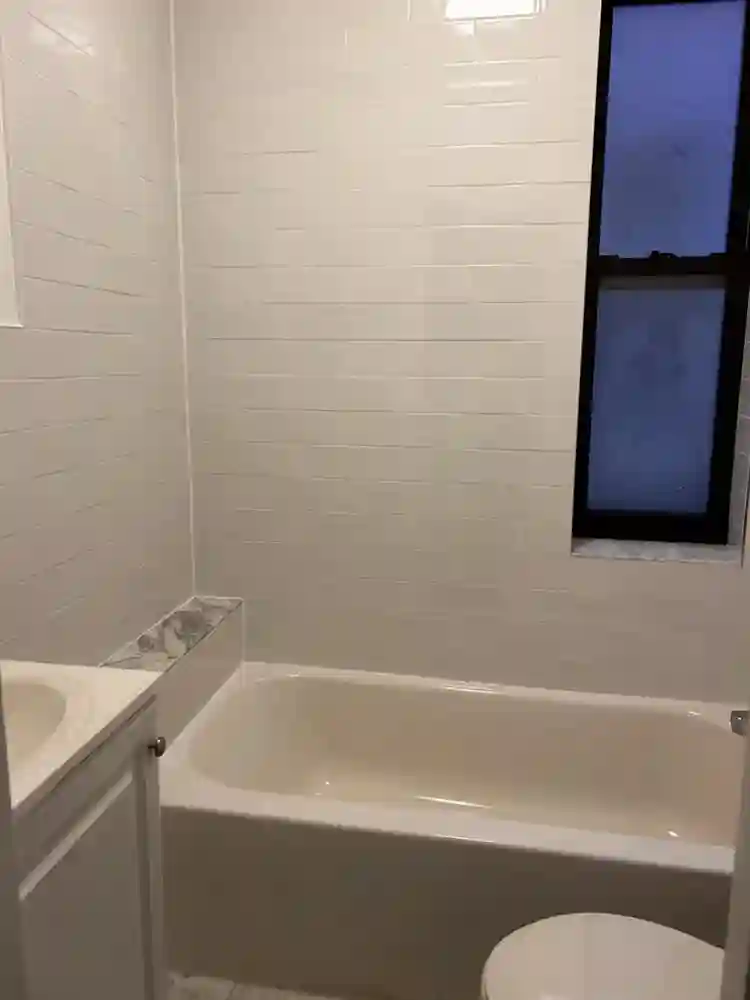
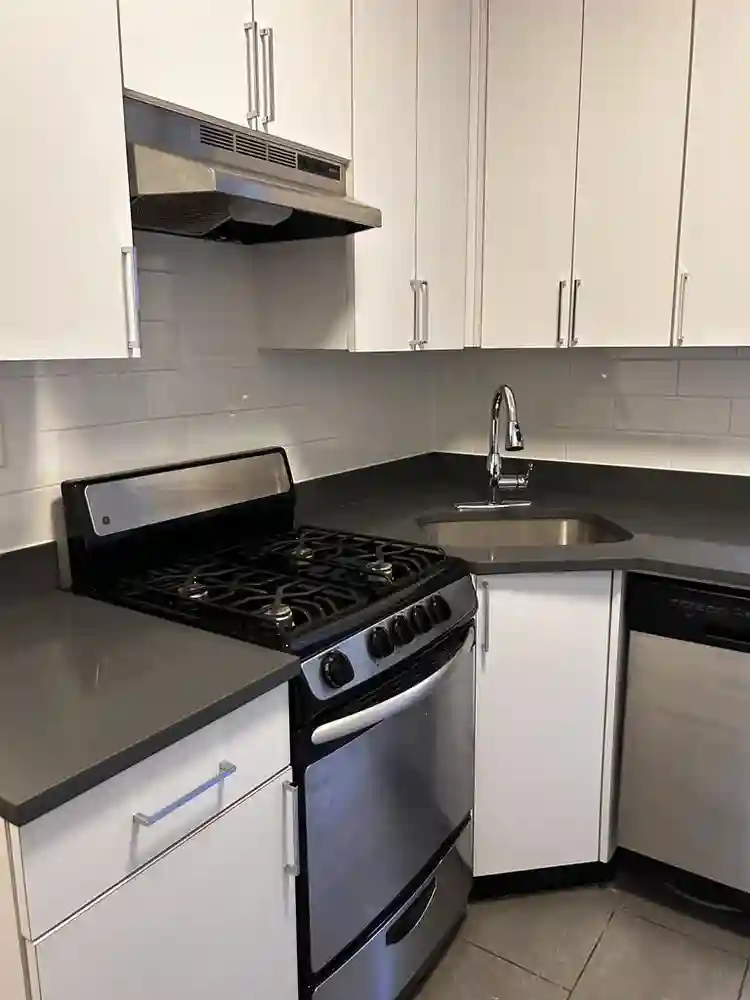
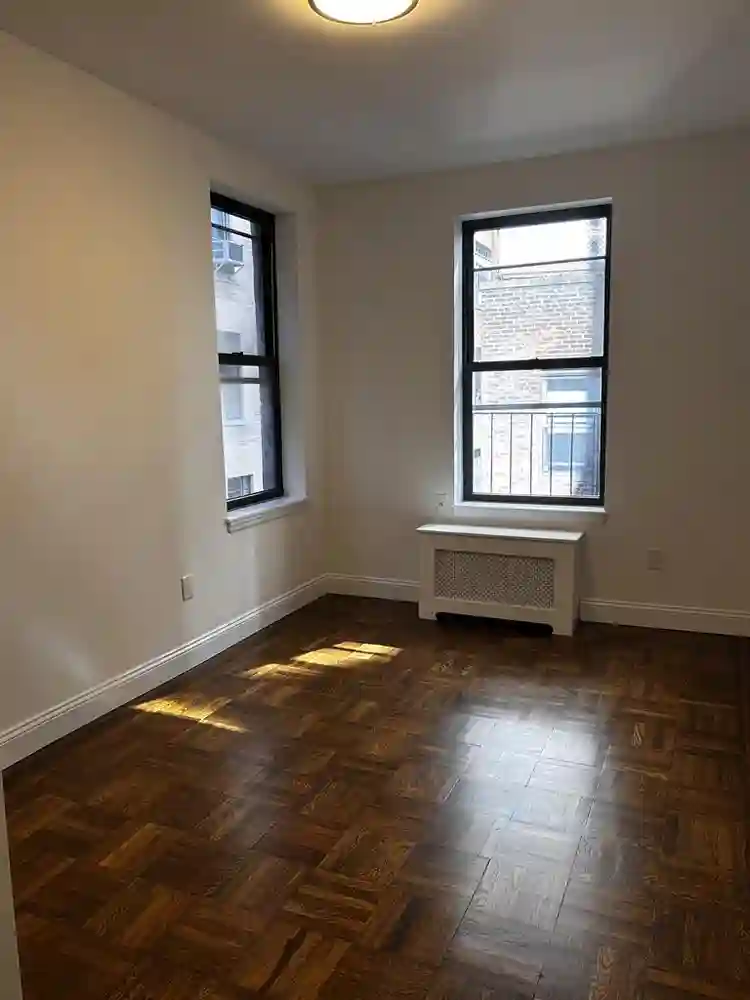
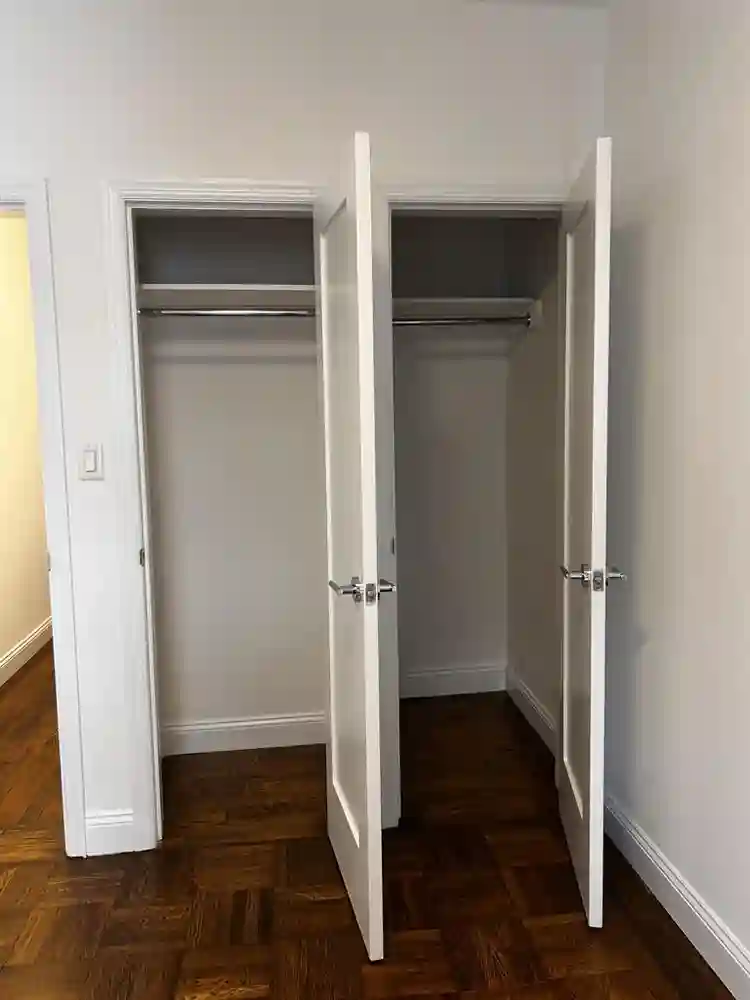
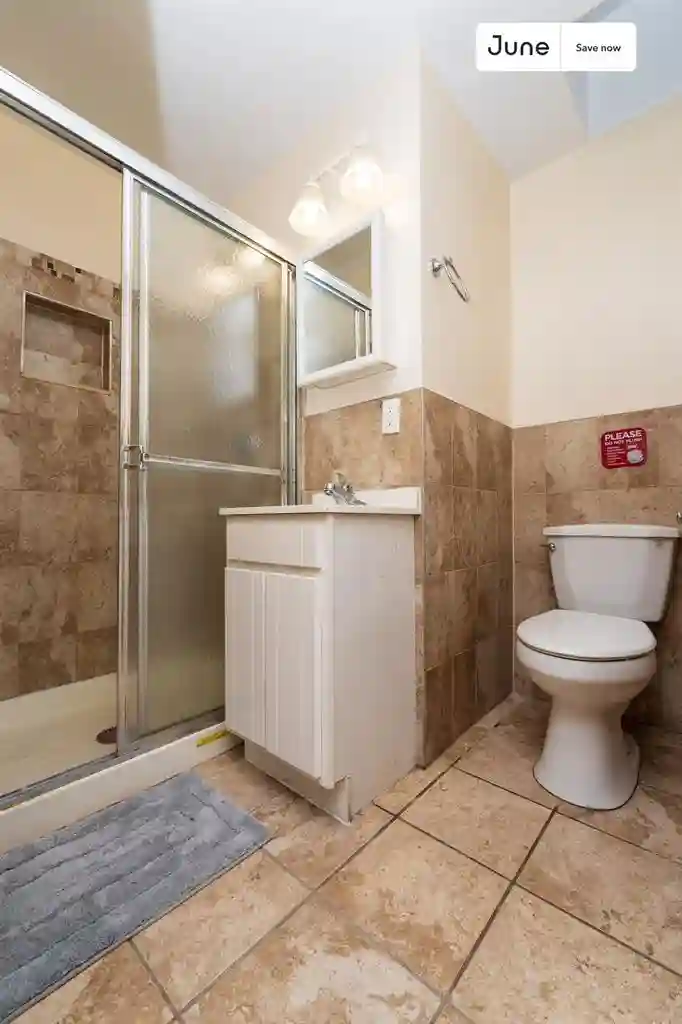
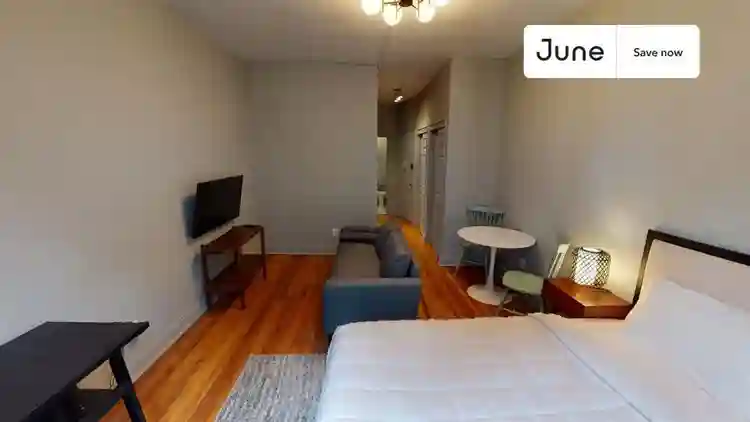
Finding an apartment for rent in Upper East Side, Manhattan involves balancing your budget, commute preferences, and lease flexibility. Whether you're a professional, couple, or relocating renter, understanding the variety of apartment options and neighborhood fit can make your search smoother. This guide covers what to consider before choosing your next home in this sought-after area.
What Kind of Apartment Search Makes Sense in Upper East Side, Manhattan
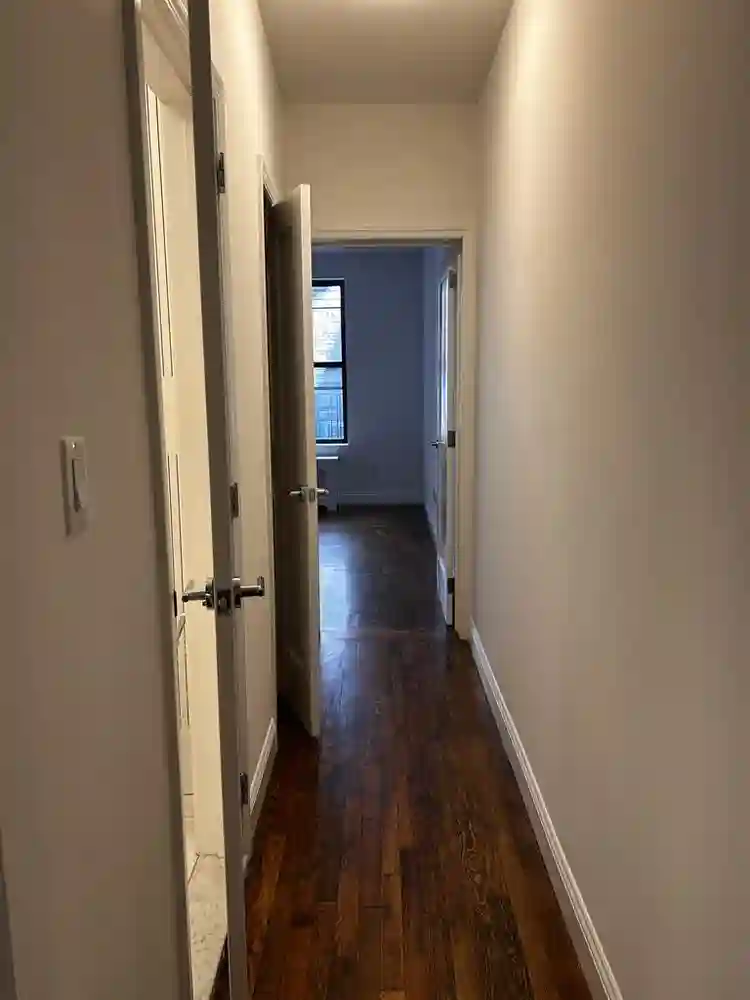
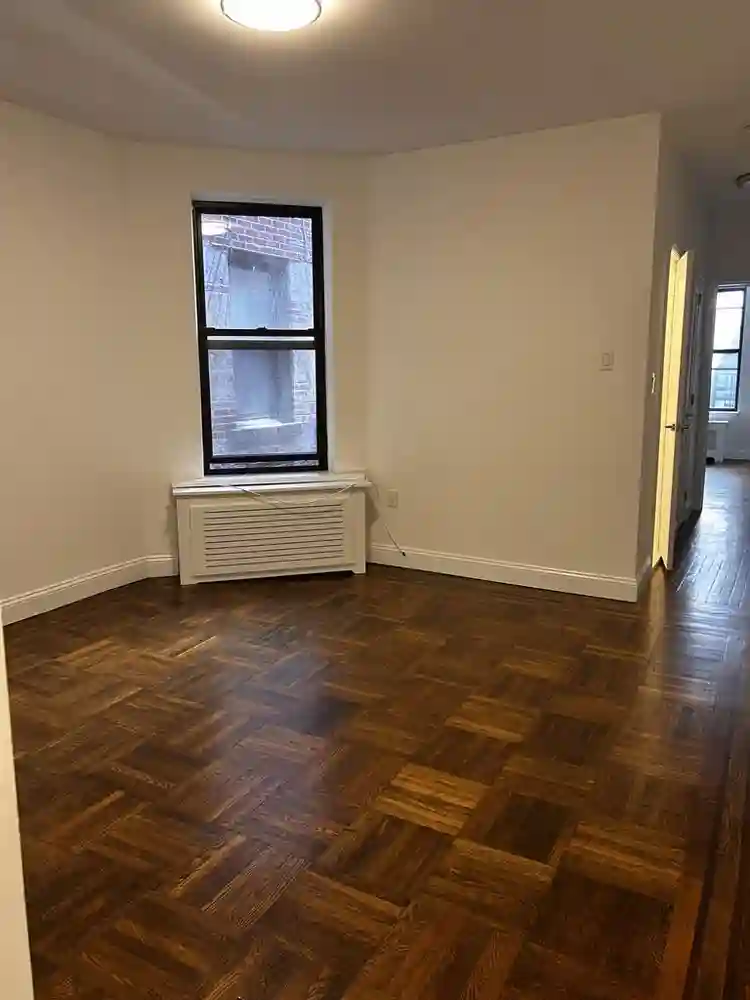
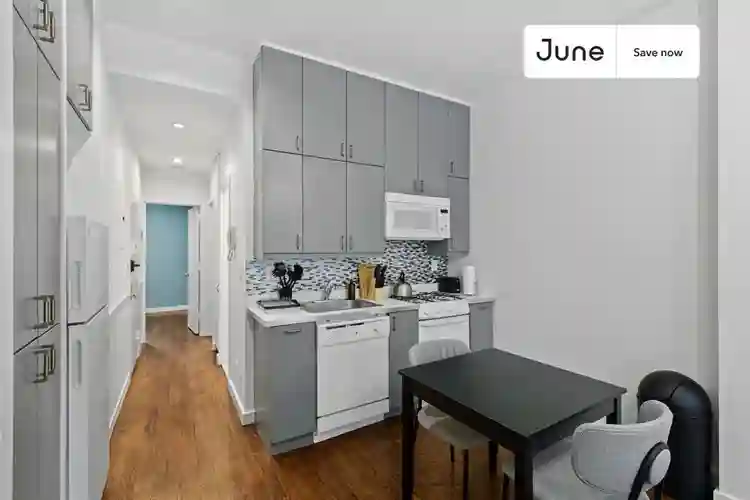
The Upper East Side offers a diverse rental market ranging from studios to two-bedroom apartments, many with furnished options and varying lease terms. Professionals and commuters often prioritize apartments with convenient public transit access to minimize daily travel time. Couples or roommates may lean towards two-bedroom or shared apartments to balance cost and space.
Budget-wise, apartments with utilities included or short term rentals can help manage monthly expenses, though these options may come at a premium. Many renters also look for apartments with parking or laundry amenities, which can add convenience but affect price.
How to Compare Apartments for Rent in Upper East Side, Manhattan
Narrowing your search by neighborhood and apartment features is crucial. Focus on areas within easy walk or transit distance to your workplace or key locations. For example, proximity to major transit hubs can reduce commute stress and costs.
Consider these factors when filtering listings:
- Lease terms: Month-to-month and short term apartment rentals offer flexibility but may have higher rent.
- Furnished vs. unfurnished: Furnished apartments can simplify moving but often cost more.
- Apartment size: Studios suit singles or those prioritizing budget, while two bedrooms offer more room for couples or roommates.
- Parking and utilities: Included utilities reduce unexpected bills; parking availability can be a premium in the neighborhood.
What Lease and Budget Factors Matter Most
When budgeting for an apartment in Upper East Side, Manhattan, expect costs to vary with location, apartment size, and lease flexibility. Longer leases generally offer better rates, whereas short term or month-to-month leases provide adaptability at a higher price.
Screening processes often include lease agreements, security deposits, and ID checks. It’s important to review lease terms carefully, especially regarding move-in dates and any utilities included. Avoid assuming all costs upfront; ask landlords or property managers about any additional fees.
How to Avoid Costly Rental Mistakes
Protect yourself by reviewing landlord or property management credibility. Always confirm listings through Roomster’s ID check and address check features where available. Be cautious with payment methods—avoid wiring money or paying before signing a lease.
Arrange in-person or video walkthroughs to confirm apartment condition and amenities. Clear communication about lease terms, move-in dates, and any maintenance responsibilities helps prevent misunderstandings.
How to Use Roomster to Find Your Next Apartment in Upper East Side, Manhattan
Roomster offers a streamlined way to search apartments for rent by filtering options such as furnished units, lease length, and apartment size. Start by creating a detailed profile that highlights your budget, move-in timeline, and preferences. This helps landlords and property managers find compatible renters quickly.
Check listings frequently, as availability can change quickly in this competitive market. Use Roomster’s messaging tools to communicate securely and ask questions directly before visiting. Timing your search a few months ahead of your planned move can increase your chances of finding the right apartment at a suitable price.
FAQ About Apartments for Rent in Upper East Side, Manhattan
What kind of apartment is easiest to find in Upper East Side, Manhattan?
Studios and one-bedroom apartments are typically more common and easier to find, especially in popular buildings. However, shared apartments and two-bedroom units are also available but may require more time to secure.
Should I look for a studio, one-bedroom, or shared apartment in Upper East Side, Manhattan?
Your choice depends on budget, privacy needs, and lifestyle. Studios suit those with tighter budgets or who prioritize location, while one-bedrooms offer more space. Shared apartments can reduce costs but require compatible roommates.
What should I ask before renting an apartment in Upper East Side, Manhattan?
Clarify lease length, included utilities, pet policies, move-in costs, and maintenance responsibilities. Also ask about parking availability and proximity to public transit to ensure the apartment fits your daily routine.
How early should I start searching for apartments in Upper East Side, Manhattan?
Starting your search 1-3 months before your intended move-in date is advisable. This timeframe allows you to compare options, complete lease paperwork, and plan your relocation without rushing.