


Ny
4 dage siden



Anmol, 29
Hele stedet | Jamaica Plain, Boston, MA, USA
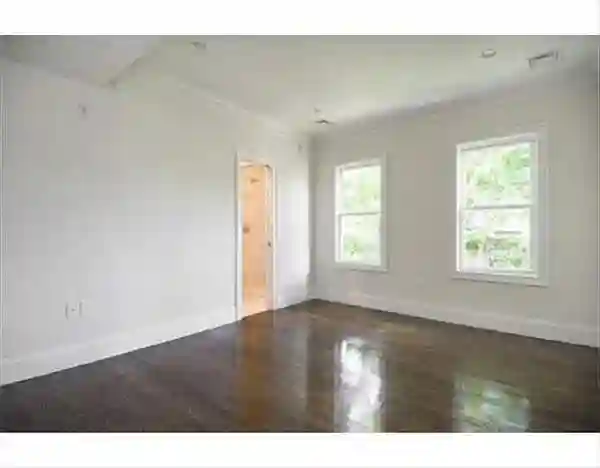
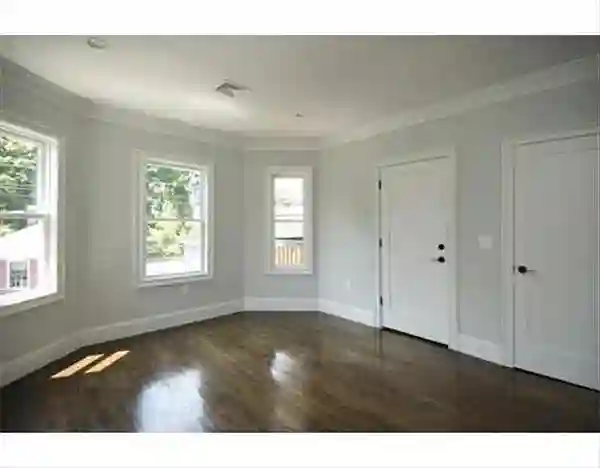
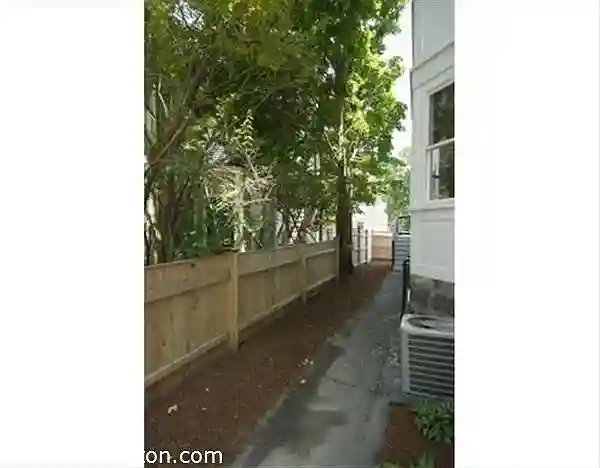
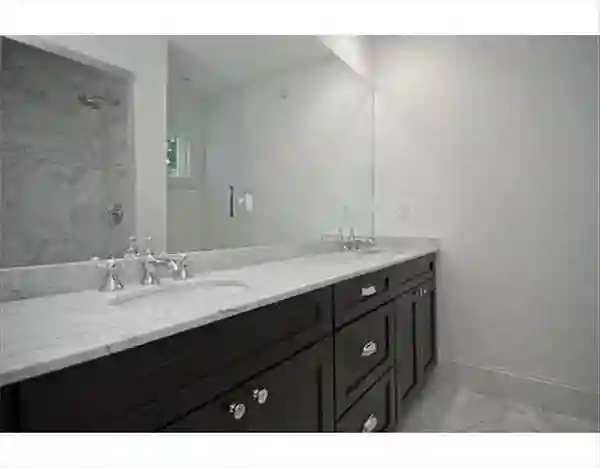
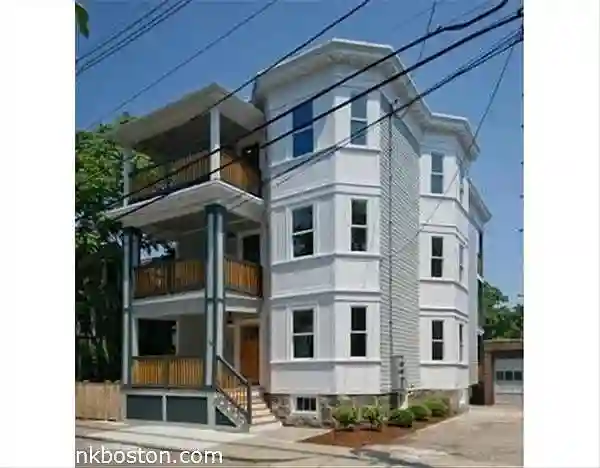
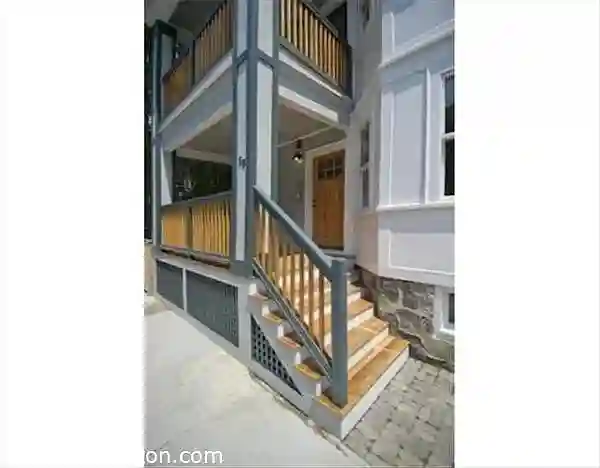
Hey everyone! My roommate and I are looking for someone to take over our lease at a great 2-bed, 2-bath apartment in the heart of Jamaica Plain at 58 Seaverns Ave available immediately for a Nov 1st official lease start. Why we are moving: We absolutely love this spot, but our previous landlord reached out to let us know our old condo (which we left because it was going to be sold) was pulled off the market, and we have the rare chance to move back in. Our lucky break is your gain! THE FINANCIALS (Why this is a great deal):• Broker Fee: $0 (You are taking over directly from us).• October Rent: $0 (We already paid this month. If you sign and get approved, you can move in immediately and live rent-free until Nov 1st).• Monthly Rent: $4,000/month THE APARTMENT SPECS:• Space: 1,050 sqft First-floor unit (no carrying groceries up flights of stairs).• Outdoor Space: Features a spacious private back porch, perfect for relaxing or working outside.• Amenities: Central A/C, In-unit Washer/Dryer, Dishwasher, Garbage Disposal, and Gas Heat.• Parking: 1 dedicated off-street parking space included in the rent.• Pets: Pet-friendly! (Both cats and dogs are allowed). THE LOCATION & COMMUTE:• Transit: 5-minute walk to the Green Street T Station (Orange Line) for a fast downtown commute, and a 2-minute walk to the 39 & 41 bus stops.• Lifestyle: Just a 10-minute walk to Jamaica Pond for running/walking trails, and a 2-minute walk to all the local coffee shops and restaurants on Centre Street.
Tilgængelig dato: Straks
E-mail valideret
Telefonvalideret


brandon, 28
Hele stedet | Albion Street, Somerville, MA, USA
🏡 4-BEDROOM APARTMENT FOR SUBLET – SOMERVILLE, MA Looking for someone to take over/sublet a spacious 4-bedroom, 1-bath apartment in Somerville. 💰 Rent: $5,500/month🛏 4 Bedrooms🛁 1 Bathroom📍 Somerville, MA Great option for a group of friends, roommates, students, or working professionals looking to live together in Somerville. ✨ Highlights:• Spacious 4-bedroom layout• Great for 4 roommates• Convenient Somerville location• Easy access to Cambridge and Boston• Available for sublet 💵 At $5,500/month 📩 Interested? Send me a message with a little about yourself/your group, your desired move-in date, and how long you're looking to rent. I can provide more information, photos, and schedule a showing.
Tilgængelig dato: Straks
E-mail valideret
Telefonvalideret

TERESA, 57
Hele stedet | West Broadway, Boston, MA, USA
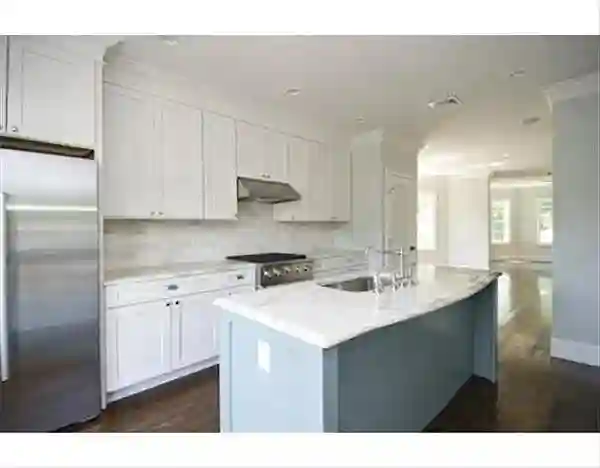
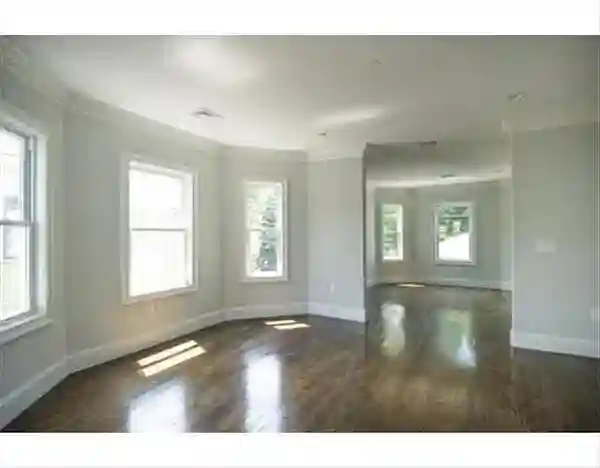
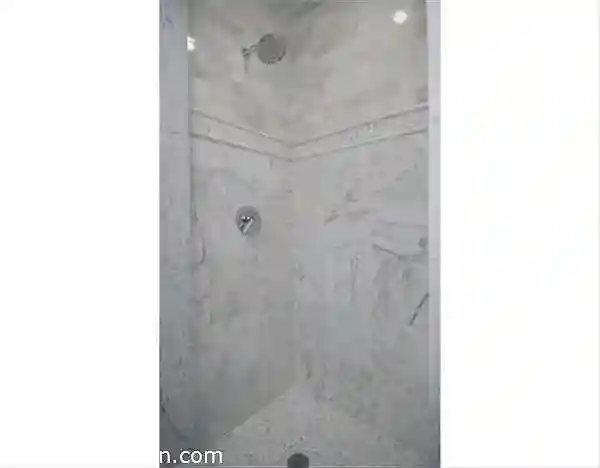
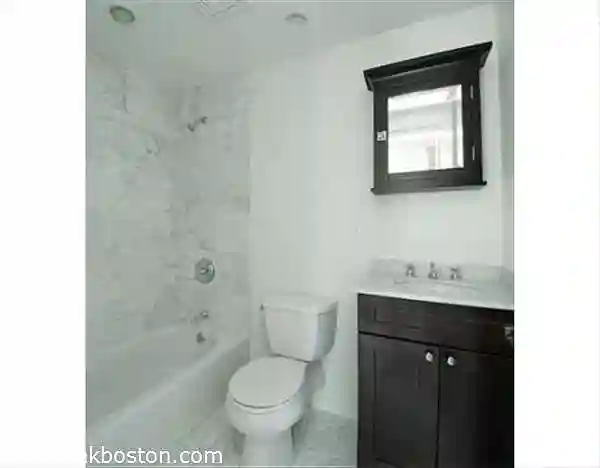
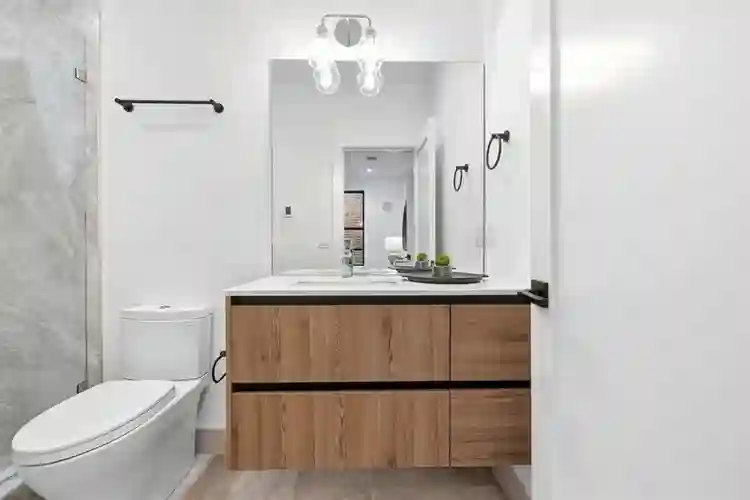
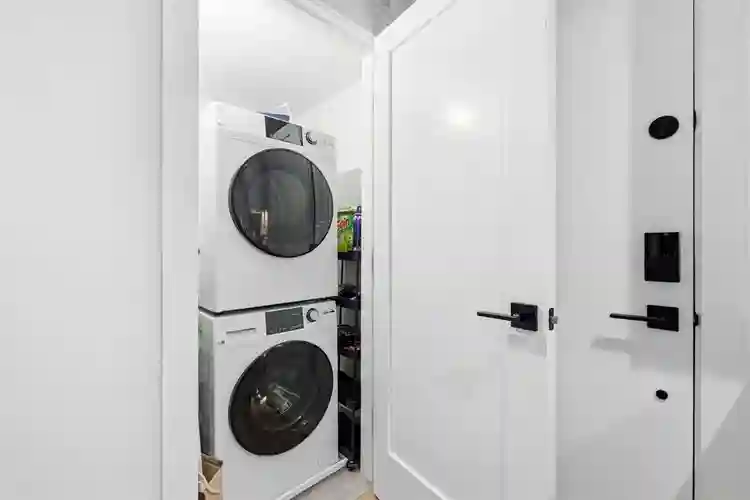
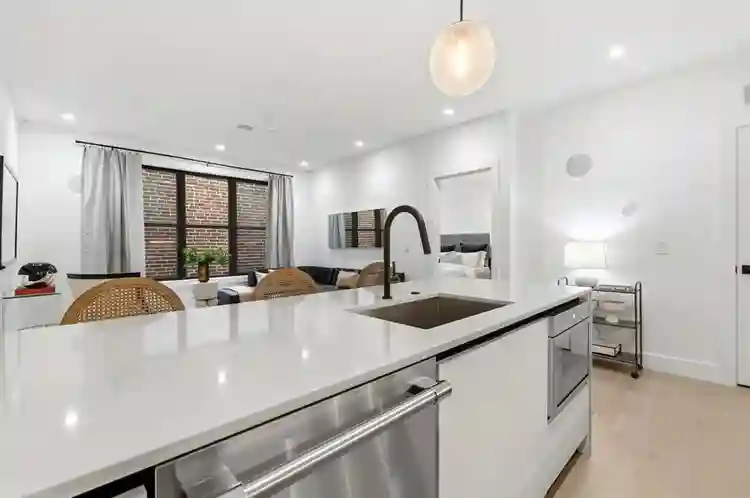
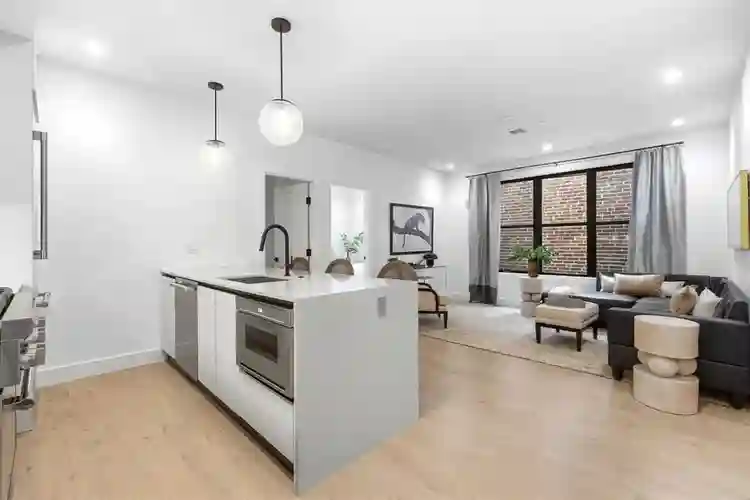
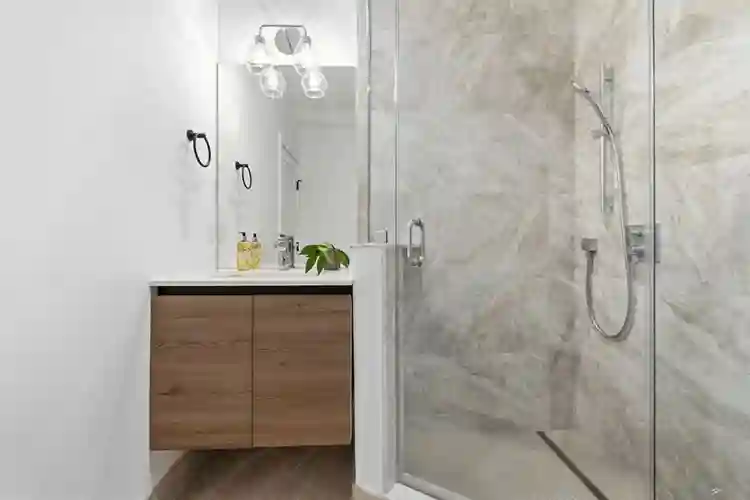
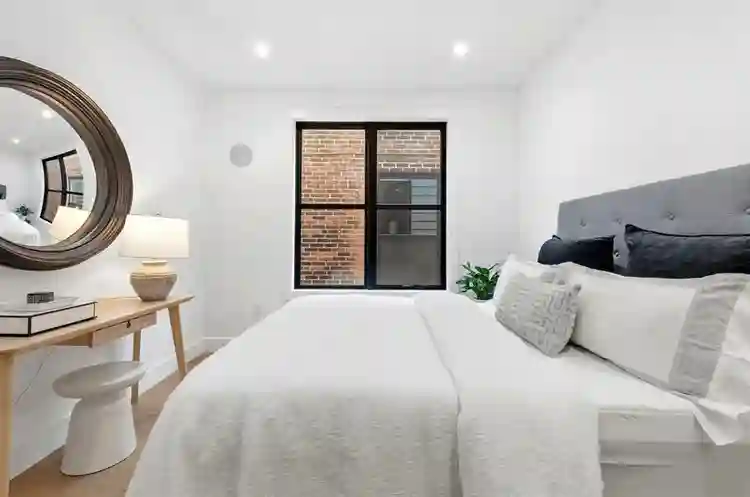
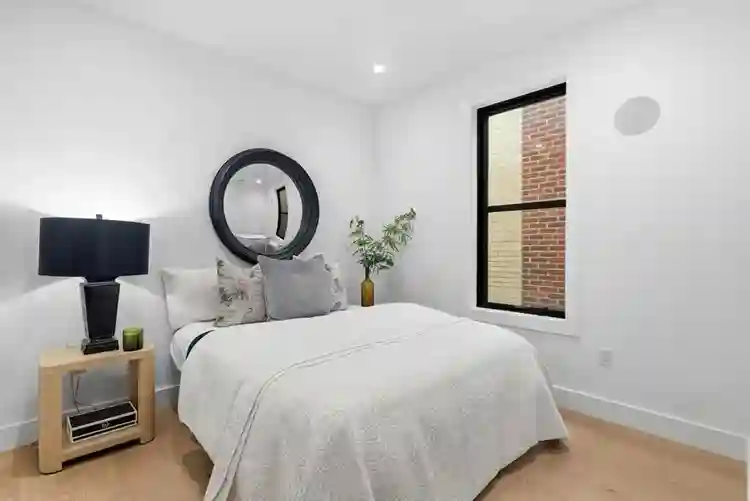
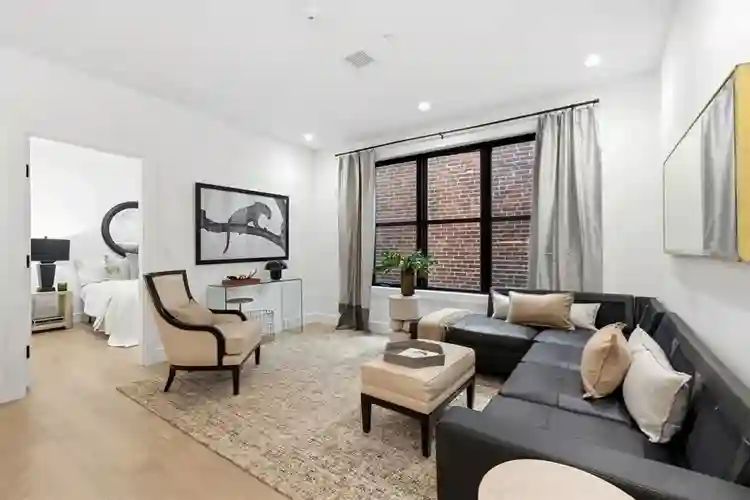
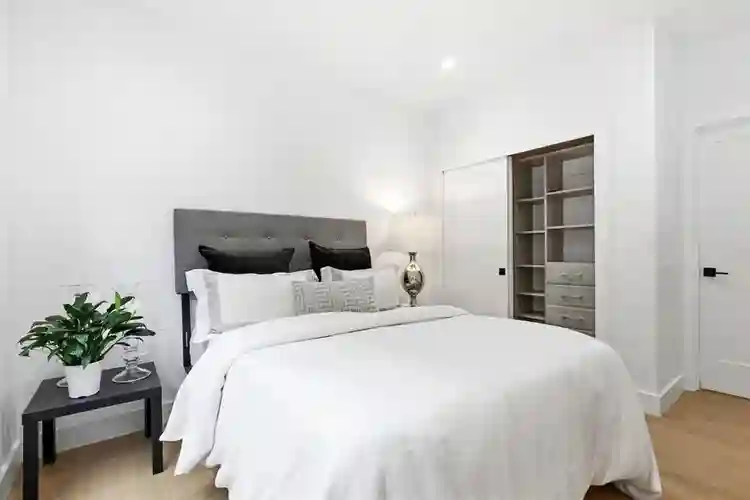
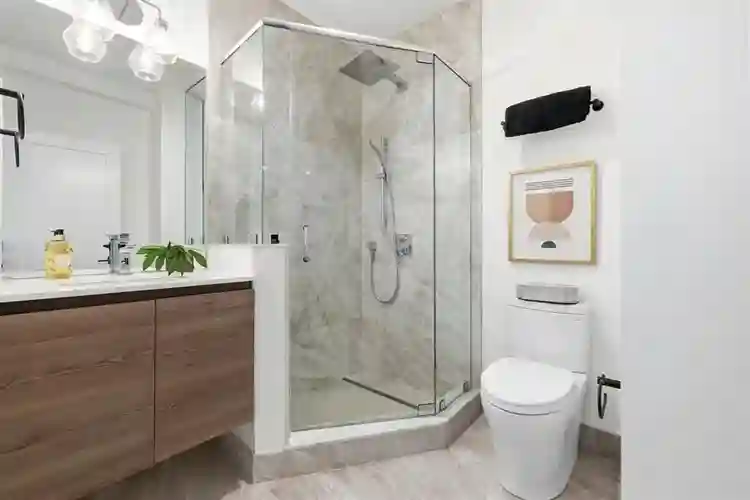
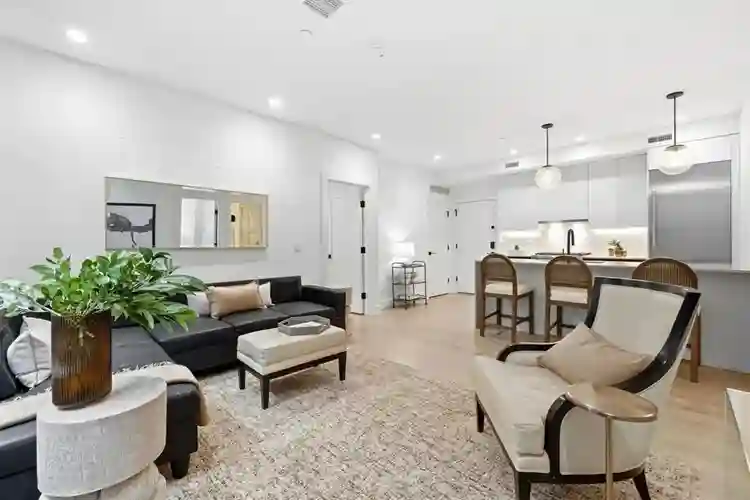
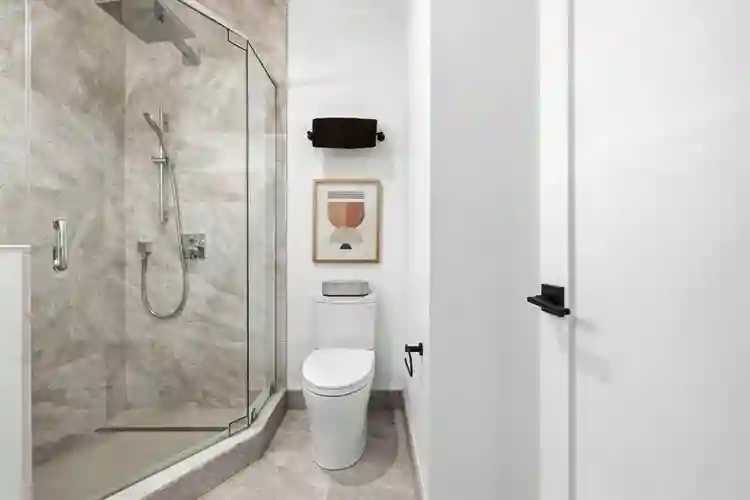
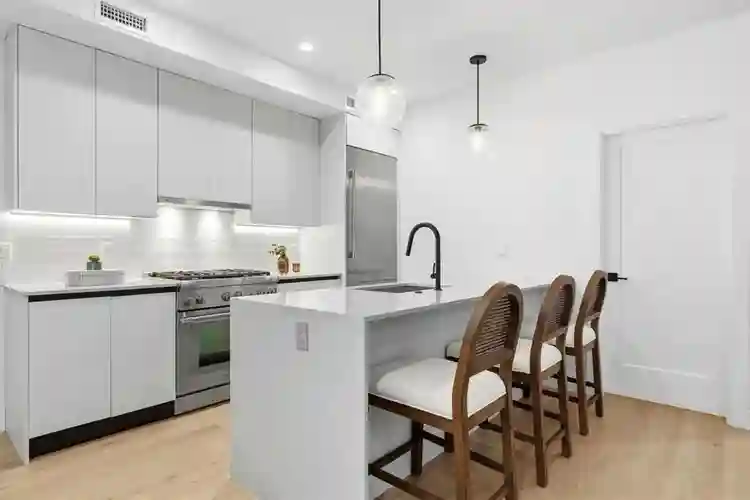
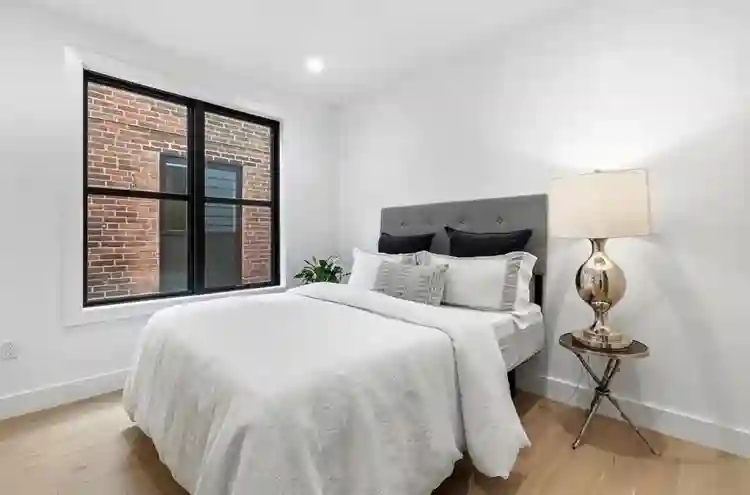
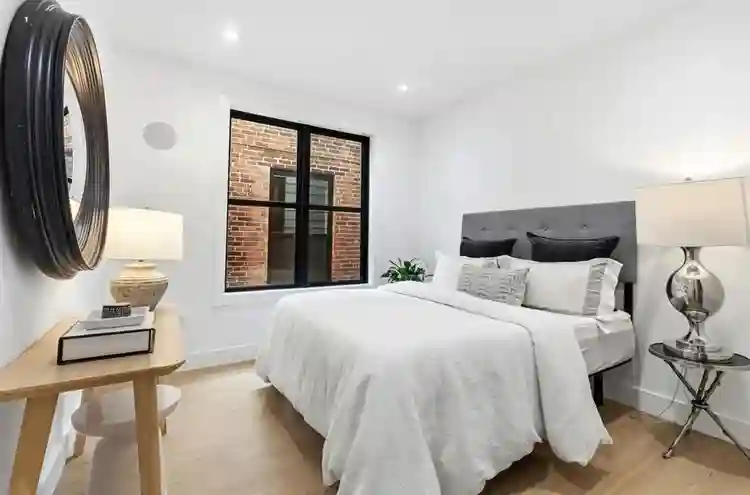
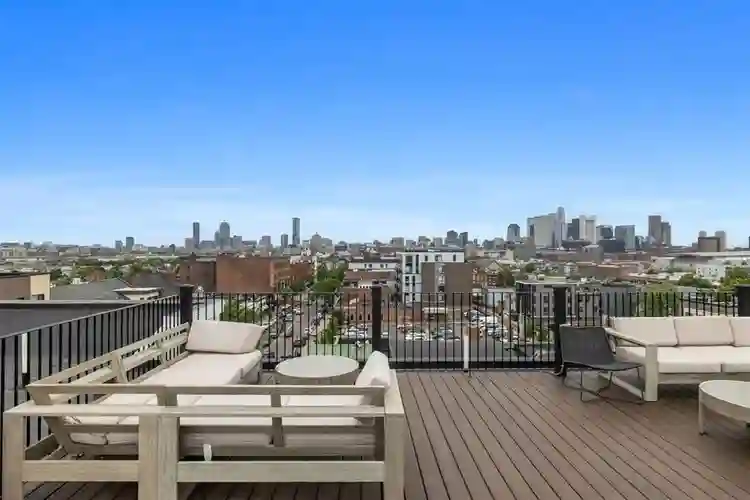
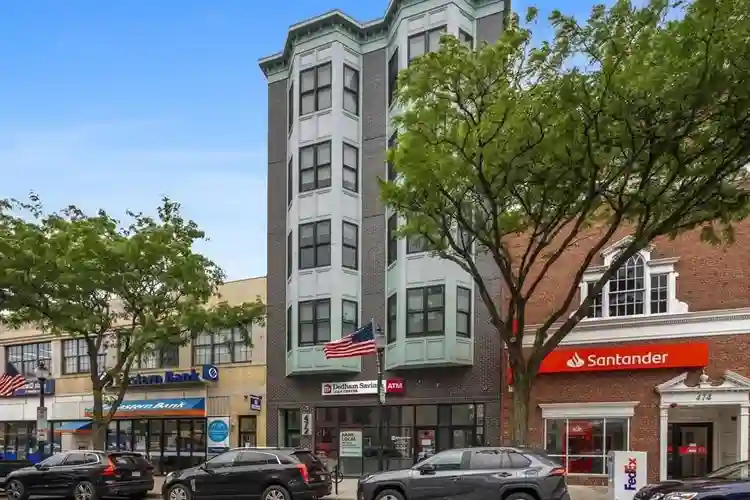
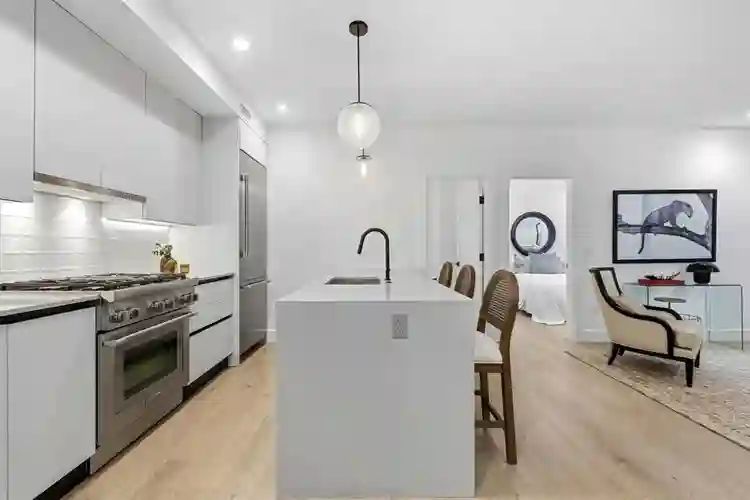
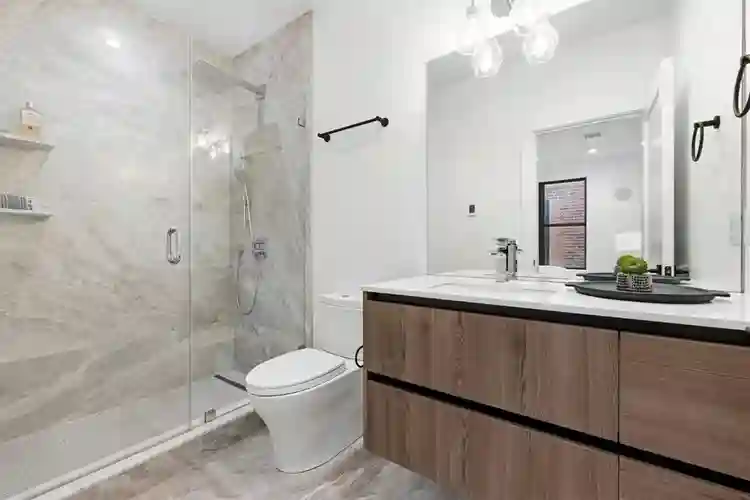
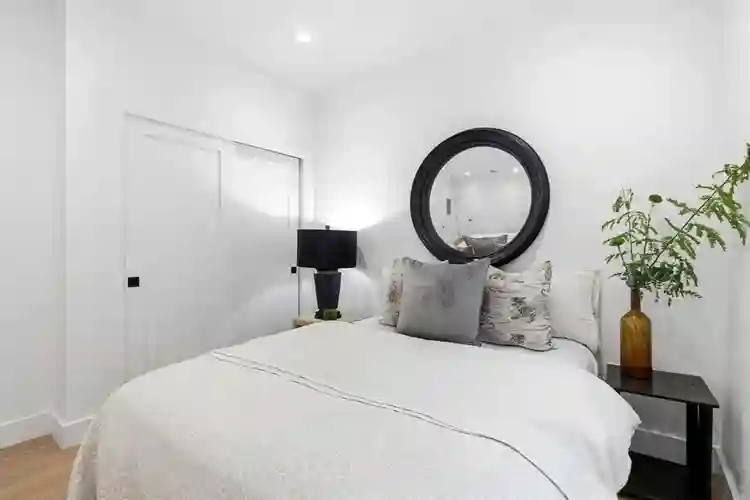
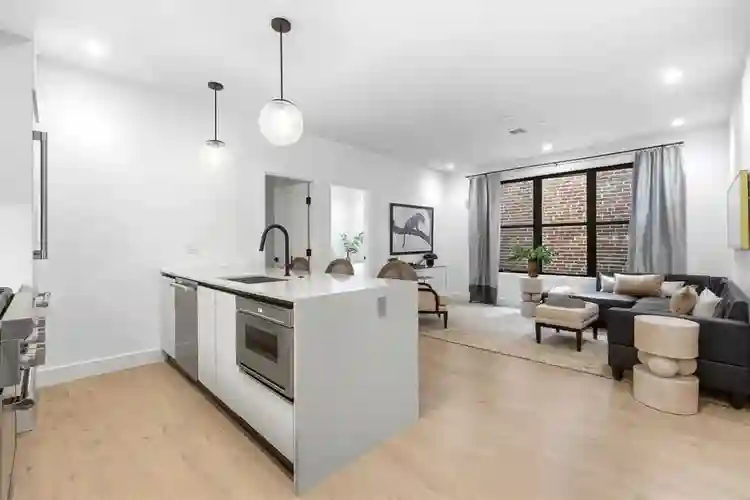
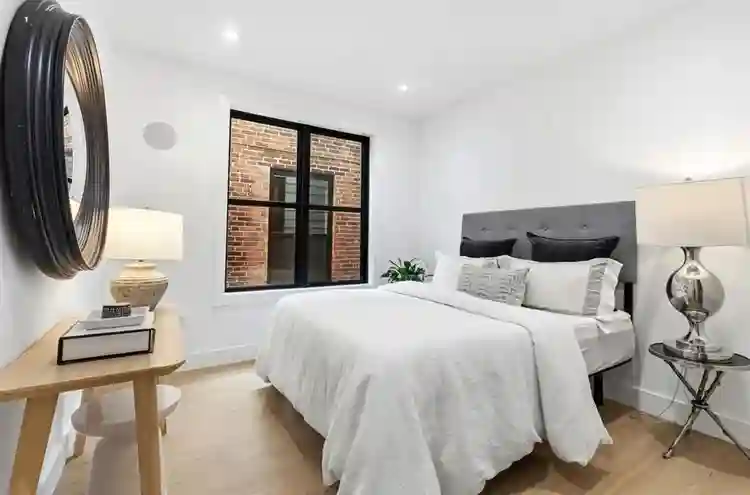
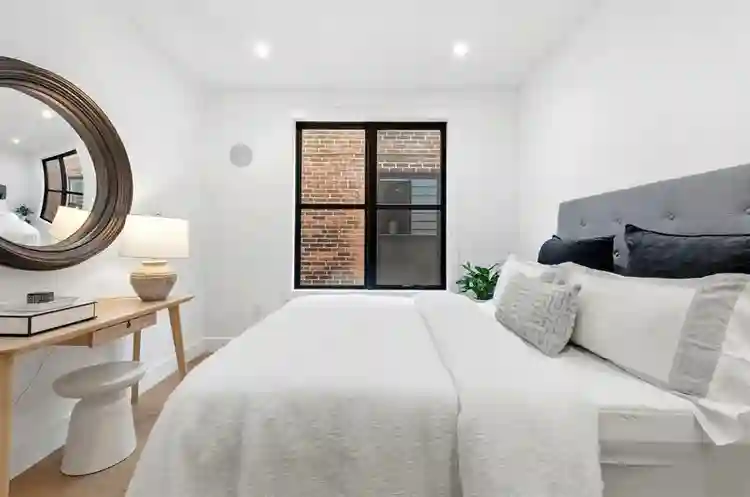
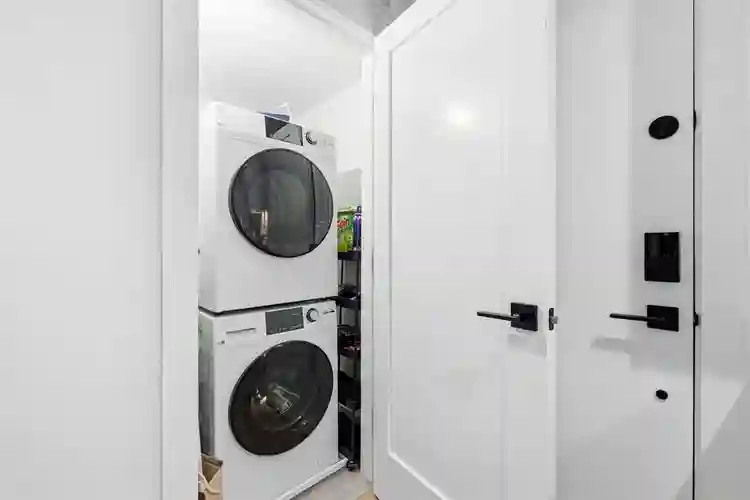
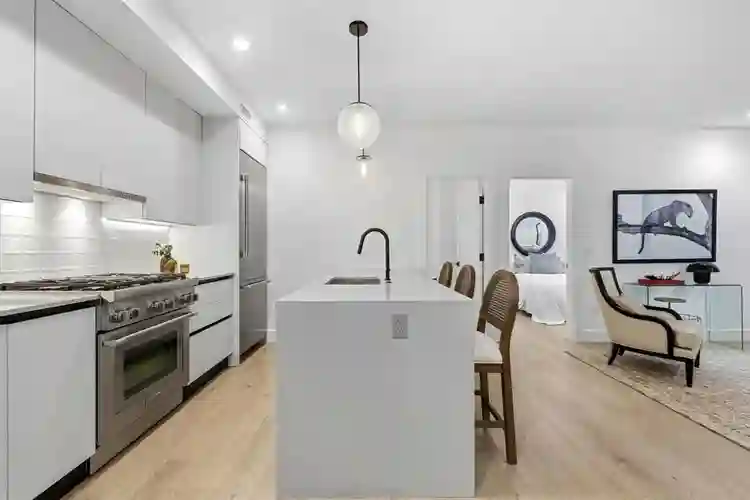
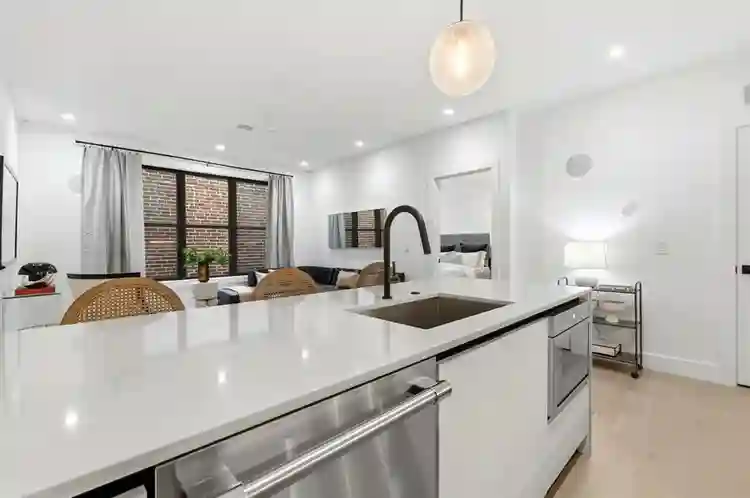
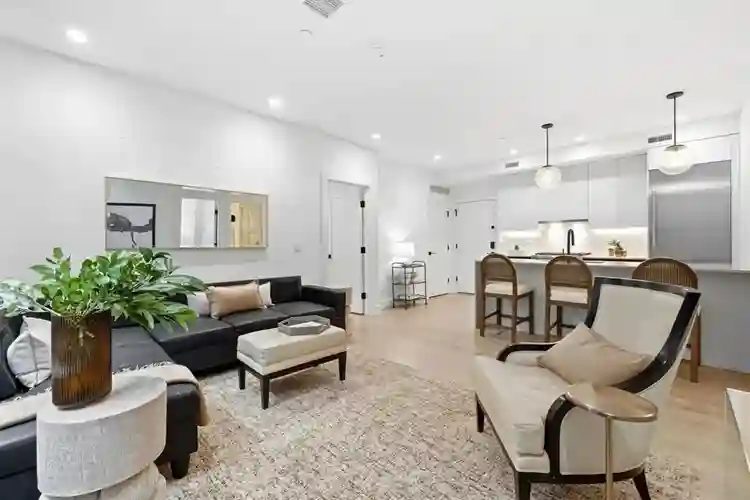
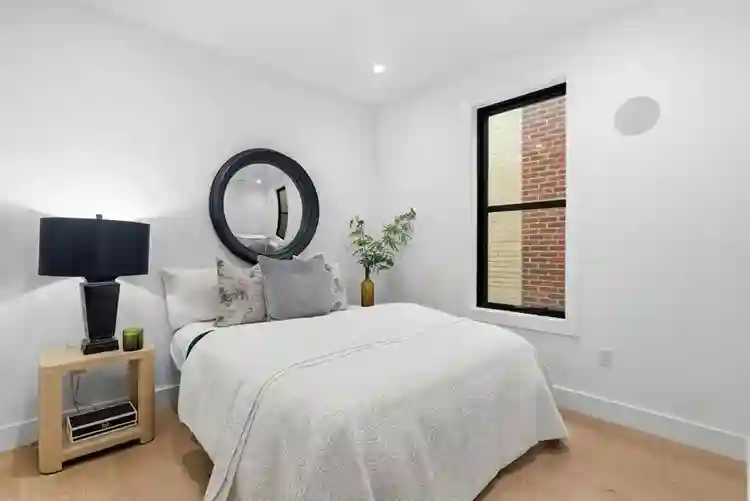
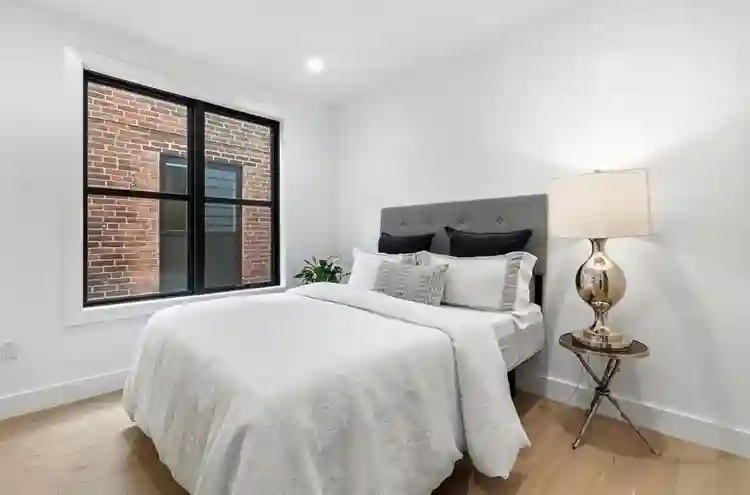
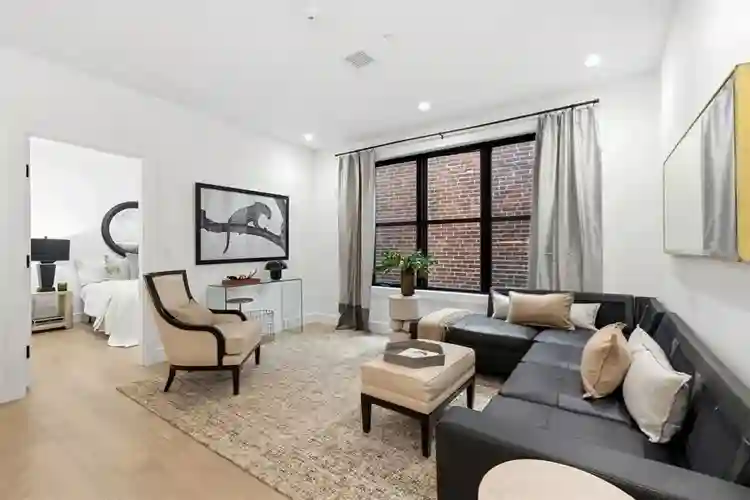
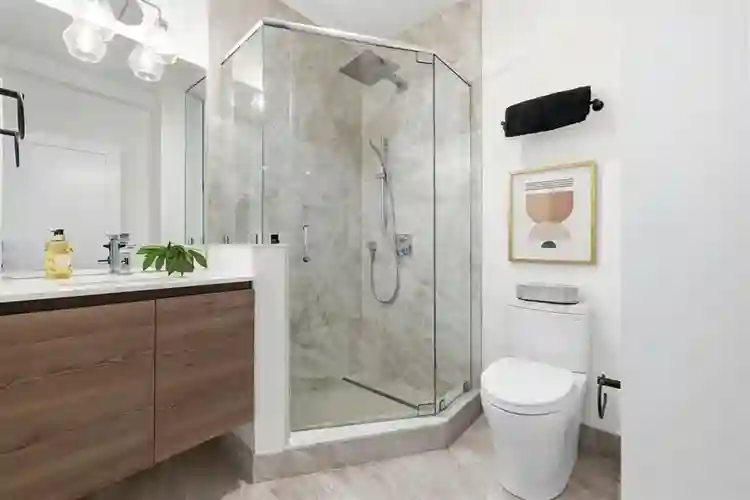
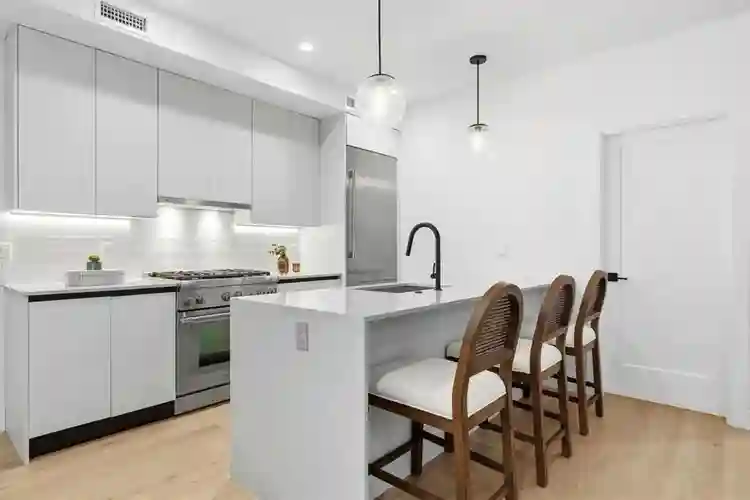
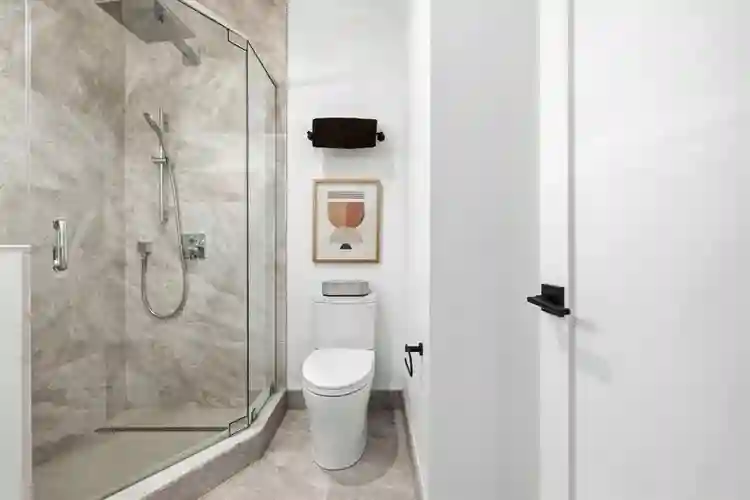
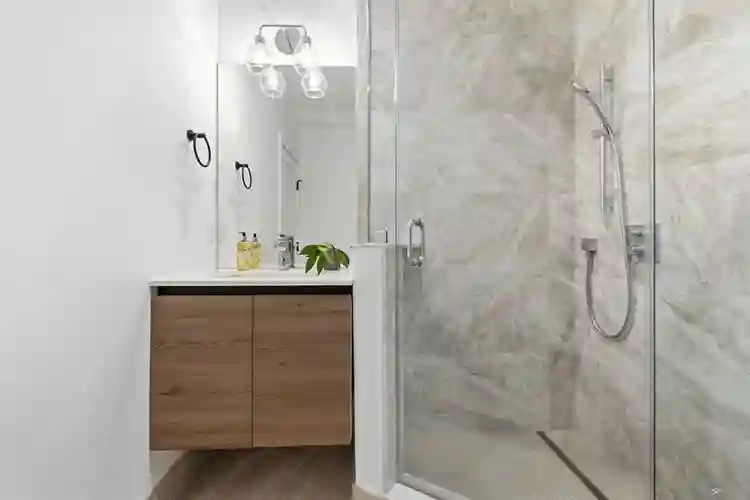
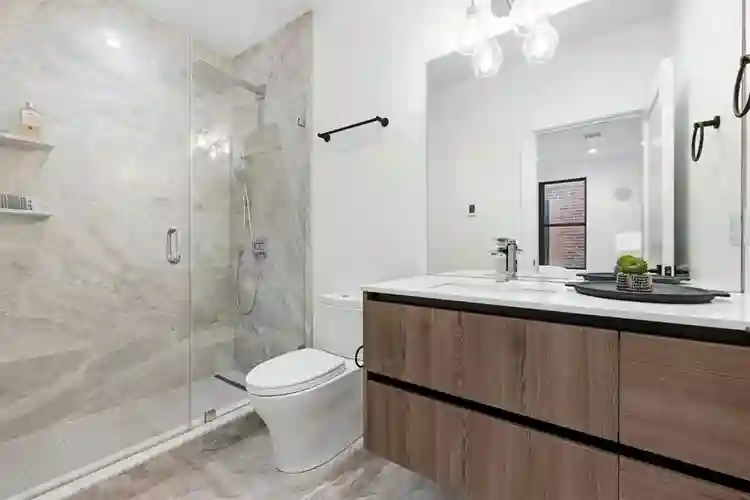
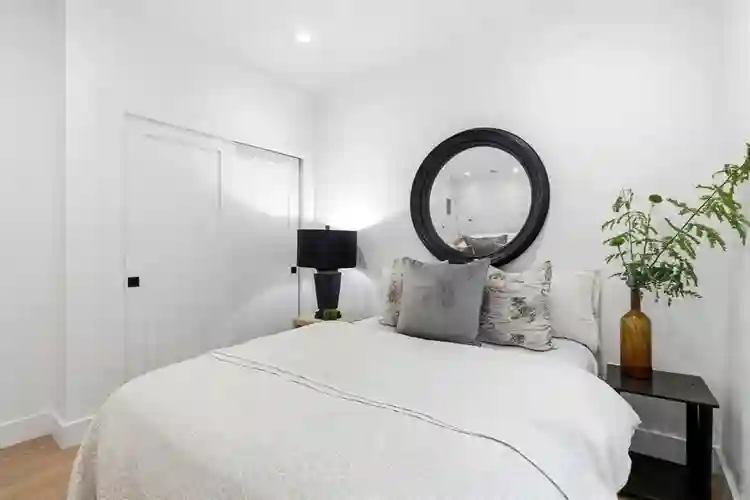
SOPHISTICATED TWO BEDROOM, TWO BATH IN SOUGHT-AFTER WEST BROADWAY BUILDING! THIS STYLISH UNIT OFFERS AN OPEN LIVING CONCEPT, STAINLESS AND QUARTZ KITCHEN COMPLETE WITH WATERFALL EDGED BREAKFAST BAR WITH ADDED STORAGE AND SPACIOUS LIVING ROOM FLOODED WITH NATURAL LIGHT. PRISTINE BATHS OFFERING FLOOR-TO-CEILING MARBLE TILED GLASS ENCLOSED SHOWERS WITH RAIN SHOWERHEAD AND HANDHELD WAND, WOOD-TONED VANITIES WITH QUARTZ COUNTERS, AND POLISHED CHROME FITTINGS AND FIXTURES. QUEEN SIZED BEDROOMS WITH CUSTOM CLOSETS. ADDITIONAL FEATURES INCLUDE CUSTOM CRAFTED WIDE PLANK OAK FLOORING THROUGHOUT, CENTRAL AIR, IN-UNIT LAUNDRY, EXCEPTIONAL CEILING HEIGHT, AND DEEDED STORAGE. THIS 2021 COMPLEX OFFERS PROFESSIONAL MANAGEMENT, A STRONG OWNER OCCUPANCY, ELEVATOR, AND IMPECCABLE COMMON AREAS INCLUDING A MASSIVE ROOFDECK, CLUB ROOM AND MORE. PERFECTLY SITUATED ON THRIVING WEST BROADWAY AMONGST SOUTH BOSTON'S BEST RESTAURANTS AND SHOPS!
Tilgængelig dato: Straks
ID kontrolleret
Adresse kontrolleret
E-mail valideret
Telefonvalideret
TERESA, 57
Hele stedet | West Broadway, Boston, MA, USA
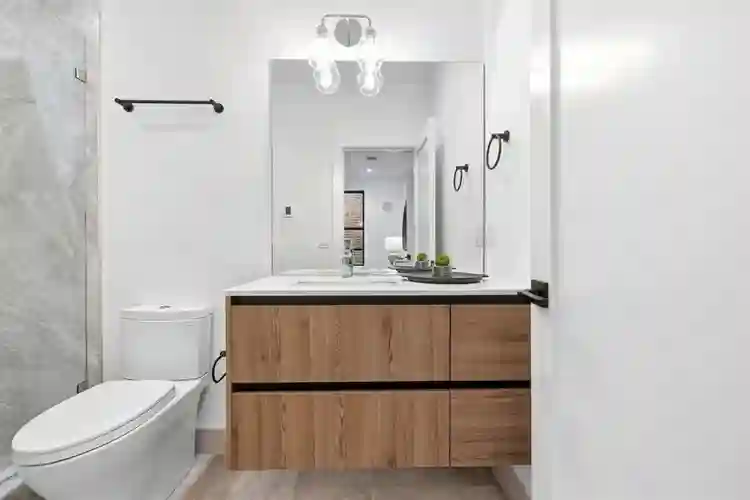
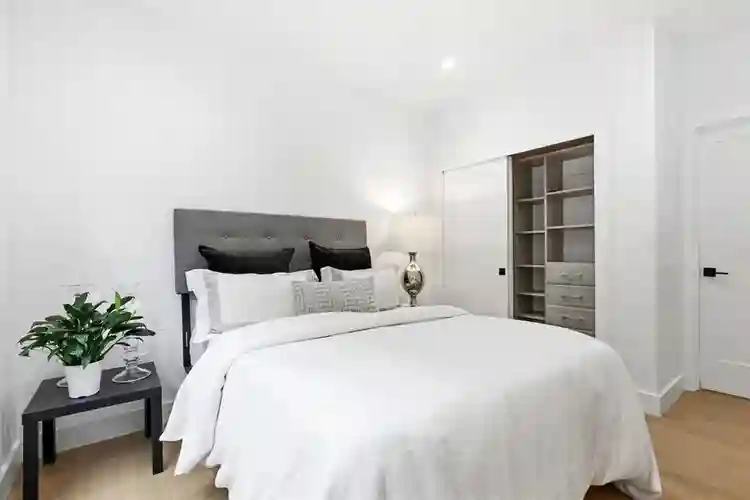
SOPHISTICATED TWO BEDROOM, TWO BATH IN SOUGHT-AFTER WEST BROADWAY BUILDING! THIS STYLISH UNIT OFFERS AN OPEN LIVING CONCEPT, STAINLESS AND QUARTZ KITCHEN COMPLETE WITH WATERFALL EDGED BREAKFAST BAR WITH ADDED STORAGE AND SPACIOUS LIVING ROOM FLOODED WITH NATURAL LIGHT. PRISTINE BATHS OFFERING FLOOR-TO-CEILING MARBLE TILED GLASS ENCLOSED SHOWERS WITH RAIN SHOWERHEAD AND HANDHELD WAND, WOOD-TONED VANITIES WITH QUARTZ COUNTERS, AND POLISHED CHROME FITTINGS AND FIXTURES. QUEEN SIZED BEDROOMS WITH CUSTOM CLOSETS. ADDITIONAL FEATURES INCLUDE CUSTOM CRAFTED WIDE PLANK OAK FLOORING THROUGHOUT, CENTRAL AIR, IN-UNIT LAUNDRY, EXCEPTIONAL CEILING HEIGHT, AND DEEDED STORAGE. THIS 2021 COMPLEX OFFERS PROFESSIONAL MANAGEMENT, A STRONG OWNER OCCUPANCY, ELEVATOR, AND IMPECCABLE COMMON AREAS INCLUDING A MASSIVE ROOFDECK, CLUB ROOM AND MORE. PERFECTLY SITUATED ON THRIVING WEST BROADWAY AMONGST SOUTH BOSTON'S BEST RESTAURANTS AND SHOPS!
Tilgængelig dato: Straks
ID kontrolleret
Adresse kontrolleret
E-mail valideret
Telefonvalideret

Anuprita, 23
Hele stedet | Brainerd Road, Boston, MA, USA
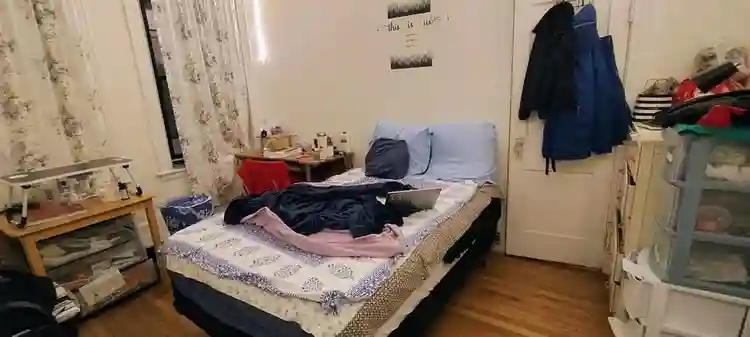
I’m looking for someone to take over my private room in Allston from October 2026 – August 2027! 📍 90 Brainerd Rd, Allston💰 $1,150/month | No broker fee It’s a fully furnished room in a 2BR/1BA apartment. Furniture is included for free — queen bed + mattress, desk/chair, mirror, storage & shoe rack. The room also has a large closet and in-room A/C + heat. The apartment has a fully equipped kitchen, laundry in the building, and heat + water included. You’d be sharing with just one friendly roommate! 🚊 Super convenient location — 3 min walk to the Green Line B (Griggs St), with buses 66 & 57 nearby. Star Market, CVS, TJ Maxx, restaurants, etc. are all within walking distance. 💵 Move-in costs: First + Last month's rent + Security Deposit 📸 DM me for photos/videos or if you’d like to come see the place! Please feel free to share with anyone looking! 😊
Tilgængelig dato: Straks
E-mail valideret
Telefonvalideret


Denise, 48
Hele stedet | Bremen Street, Boston, MA, USA
Bremen 282 is modern living in an authentic place. Experience a harmonious blend of thoughtful design, community integration, and contemporary comfort. Offering a range of one, -bedroom apartments, Bremen 282 has the ideal mix of layouts so you can find a home that fits your unique lifestyle. Property amenities include two expansive roof decks with city skyline views, a resident lounge, fitness center, and coworking space. Enjoy easy access to downtown Boston, just two stops on the Blue Line, and a -minute walk to Logan Airport. Now, getting where you need to be has never been more convenient.
Tilgængelig dato: Straks
E-mail valideret
Telefonvalideret


Denise, 48
Hele stedet | Everett Street, Boston, MA, USA
Welcome to 258 Everett Street #3! This updated top floor 1 bed, 1 bath apartment features an open concept living room and kitchen, a stylish bathroom, and a private balcony. The bedroom is spacious with room for a bed and home office. The unit includes gas heat, central air, and laundry. Ideally located in East Boston's desirable Jeffries' Point, steps to Maverick T Station, Ferries & water taxis,
Tilgængelig dato: Straks
E-mail valideret
Telefonvalideret
Nathalie, 28
Hele stedet | Somerville, MA, USA
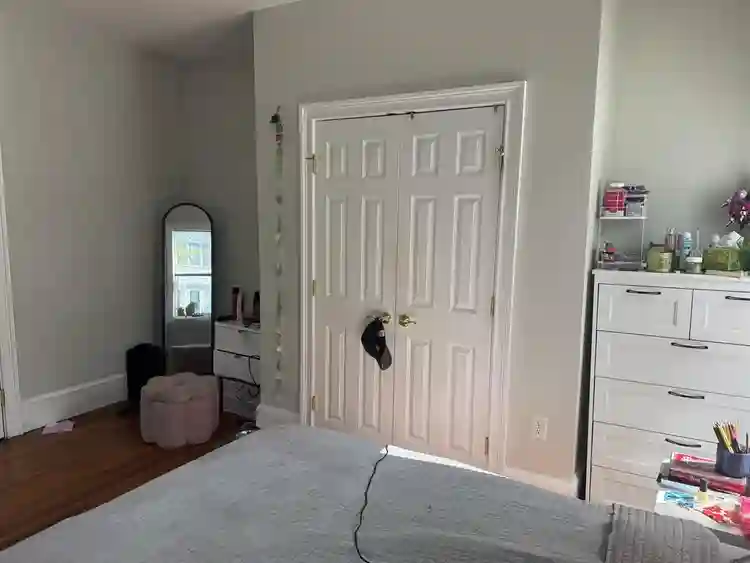
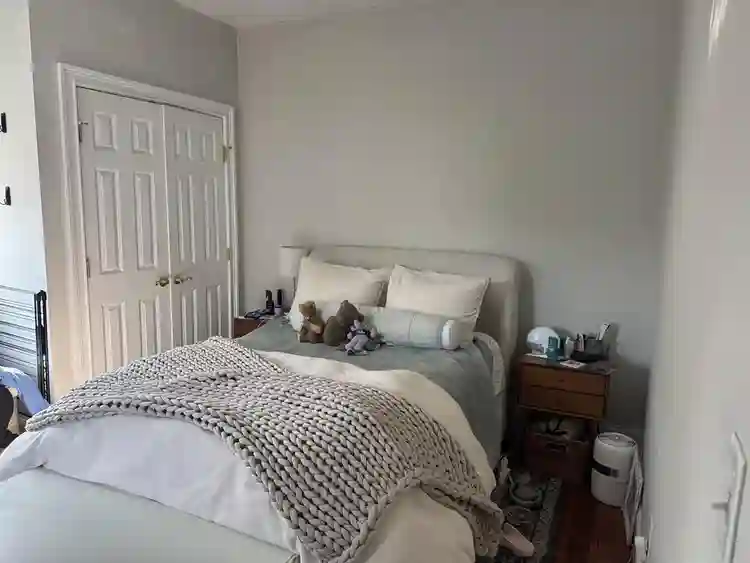
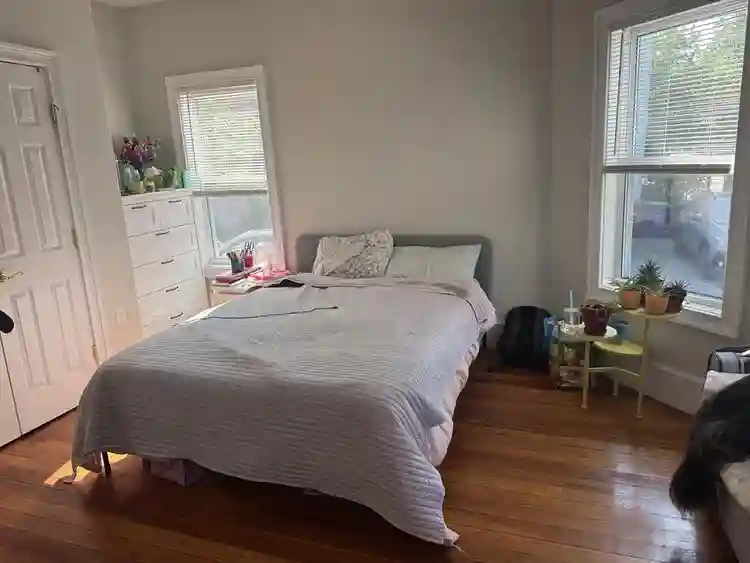
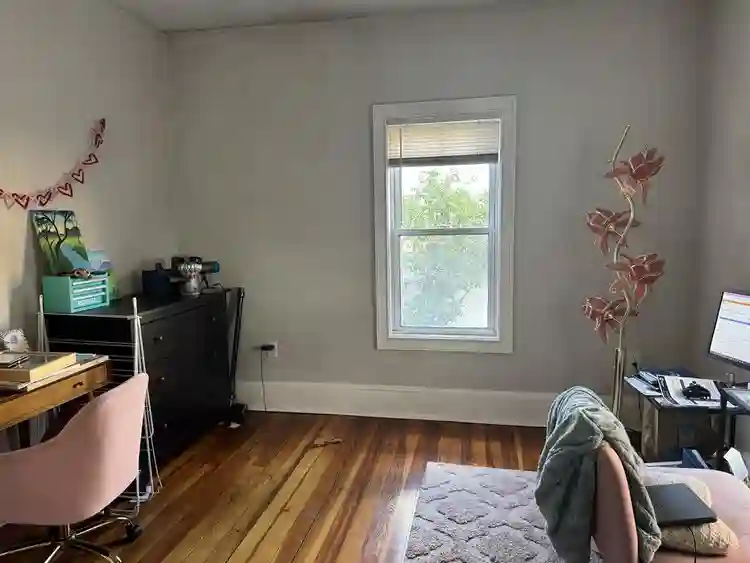
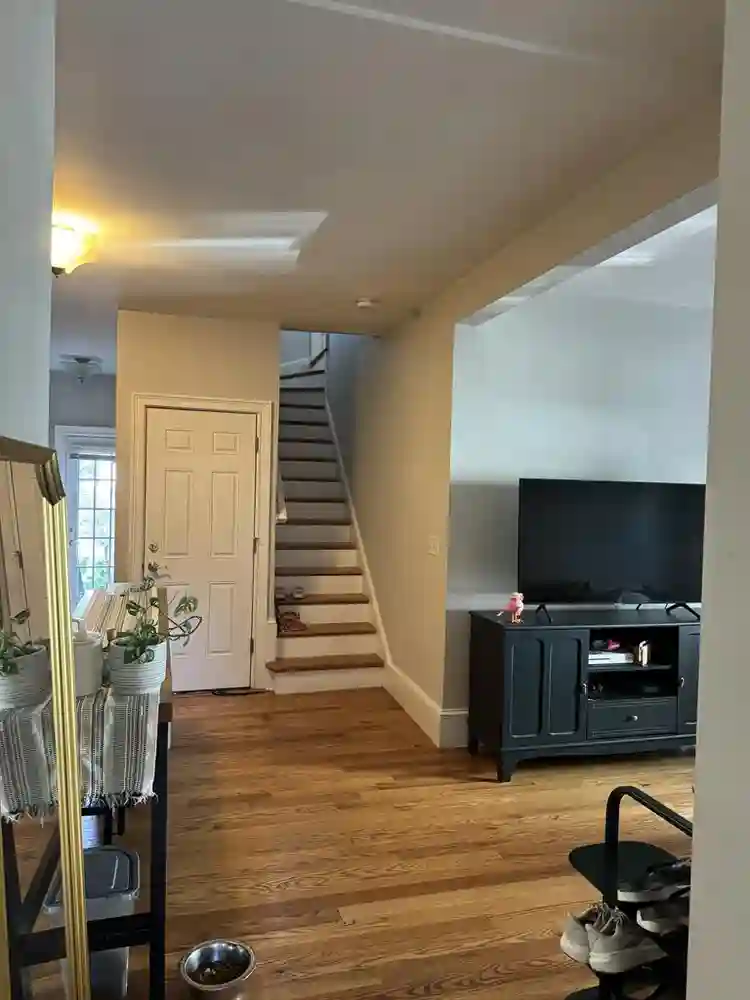
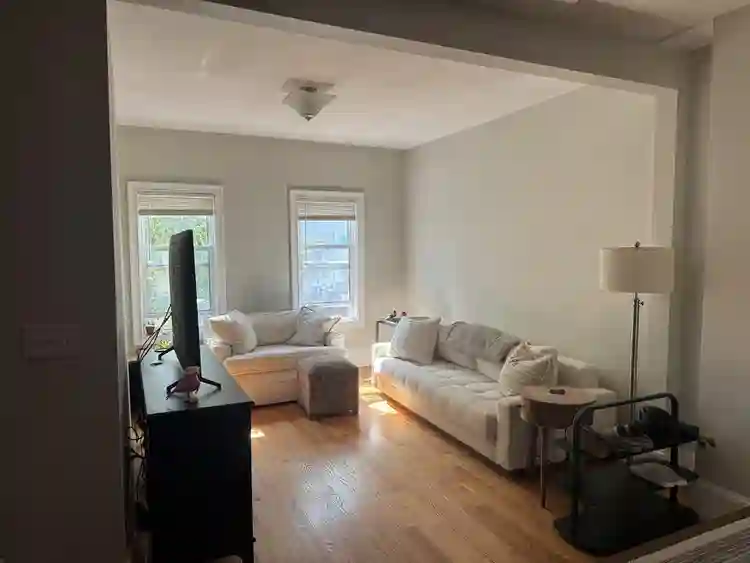
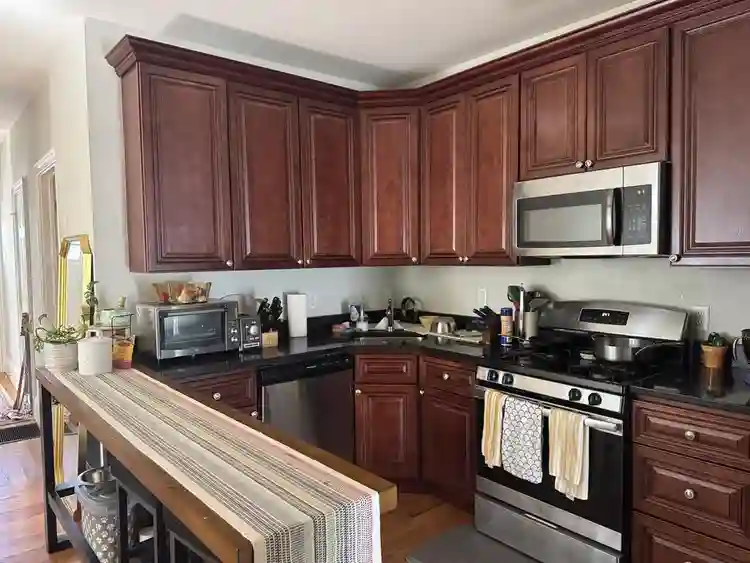
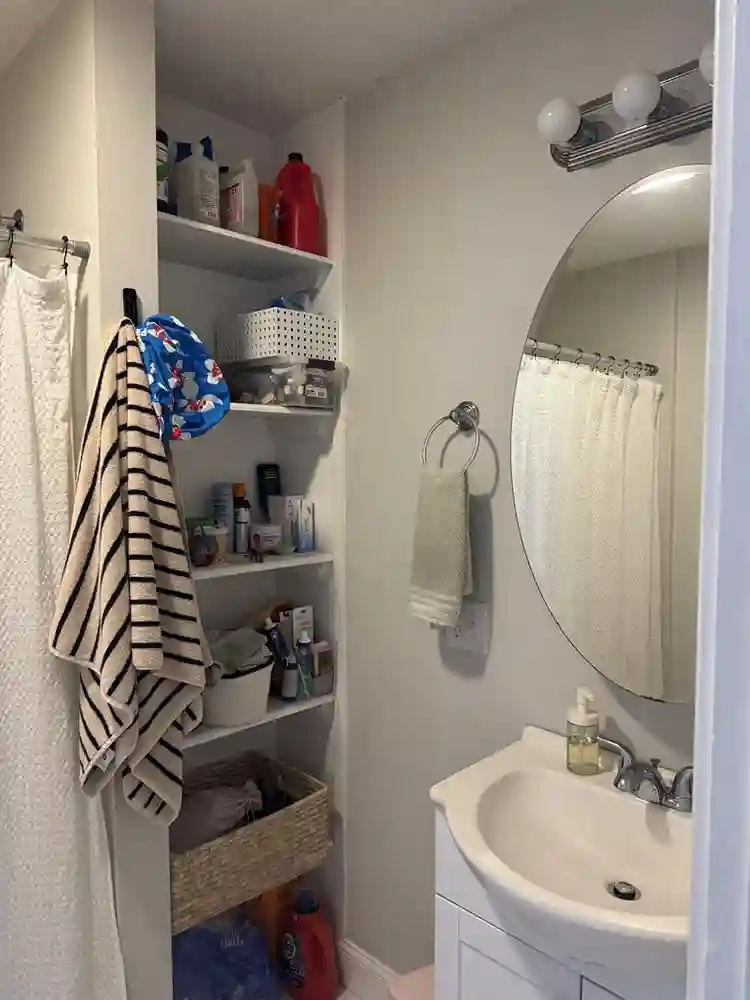
Looking for a group to take over my spacious 3 bed / 1.5 bath apartment in Somerville near Davis Square. Rent is $3,875 total (~$1,292/person split between 3), with an October 1 start date but flexibility for an earlier September move-in if needed!The apartment is spread across 2 floors with 3 separate bedrooms, a large living room, full kitchen with tons of cabinet/counter space, dishwasher + gas range, 1 full and 1 half bath, backyard/patio access, basement laundry shared with only 1 other unit, and plenty of storage. The third bedroom also works really well as a dedicated office if you're a couple or 2 roommates looking for extra space.Location is about an 8-minute walk to Davis Square and the Red Line, even closer to Teele Square, and super convenient to Cambridge, Arlington and Route 2. Somerville resident street parking is also available.I've loved living here and am only leaving because I'm relocating for work. The apartment is currently partially furnished, and I may also be open to leaving/selling some furniture depending on what the incoming tenants need.New tenants would complete the property management company's standard application/approval process. Happy to send a full walkthrough video, and I'm available for showings, message me if you think it could be a fit!
Tilgængelig dato: Straks
E-mail valideret
Telefonvalideret
Eleanor, 71
Hele stedet | Centre Avenue, Dorchester, MA, USA
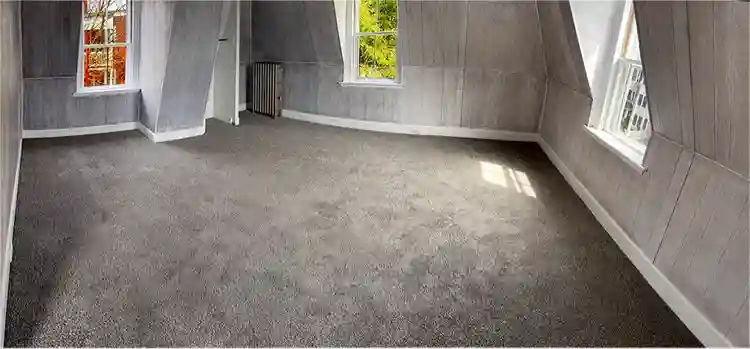
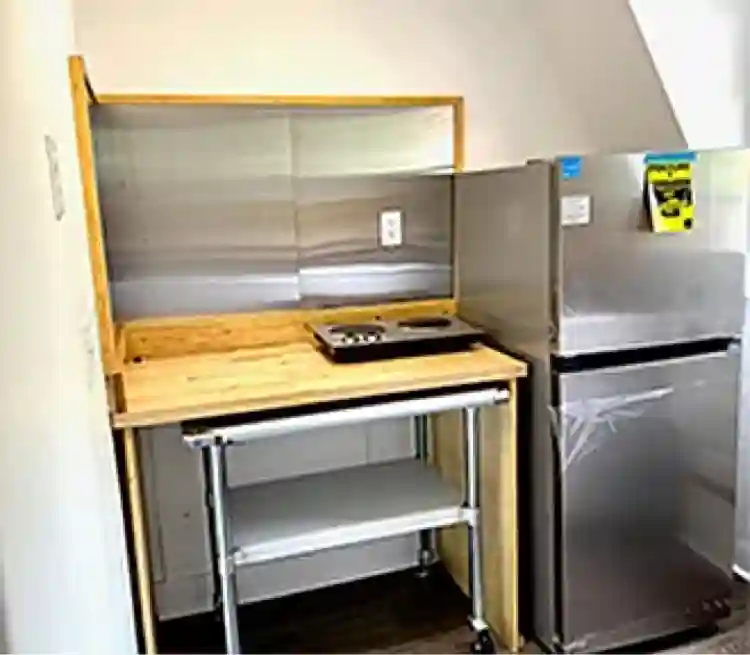
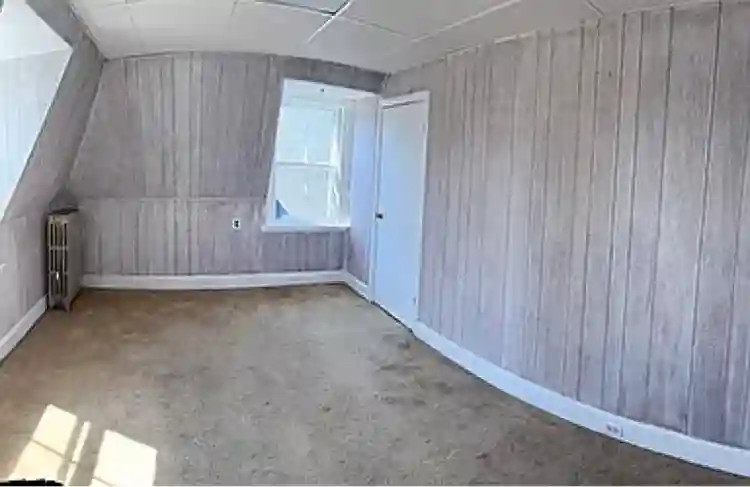
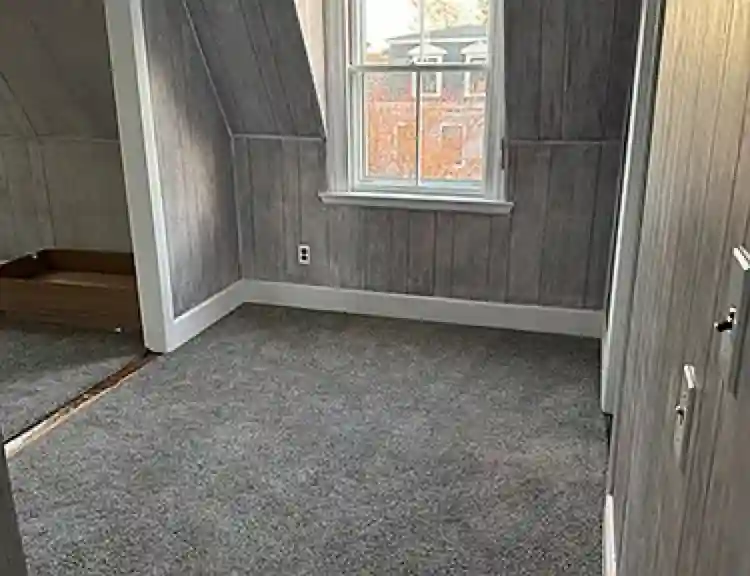
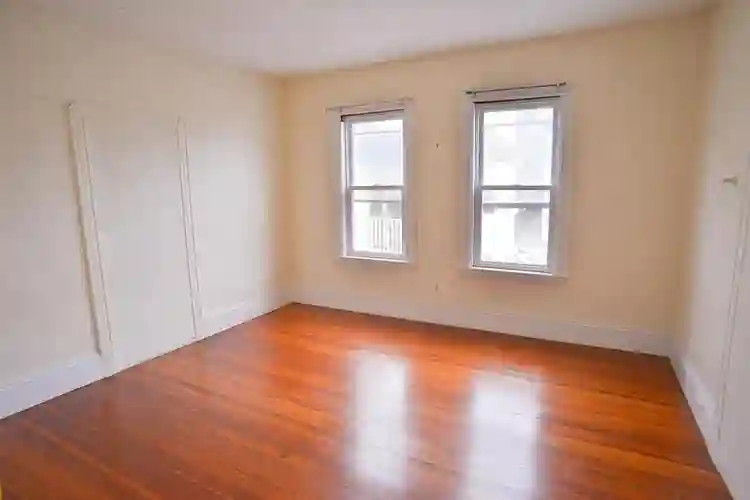
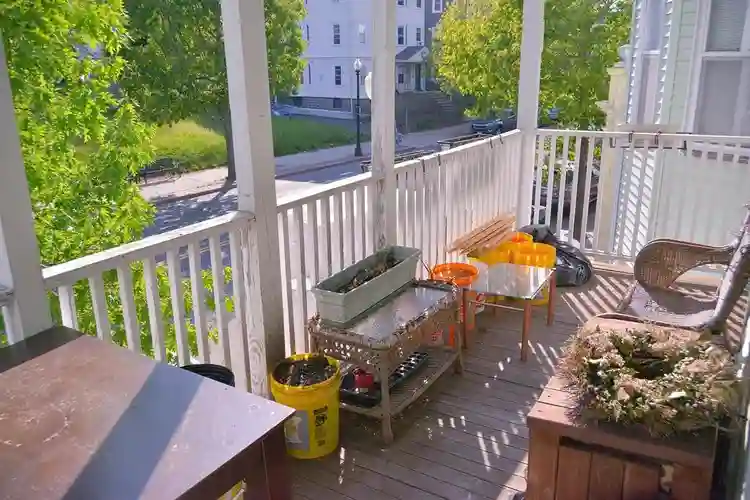
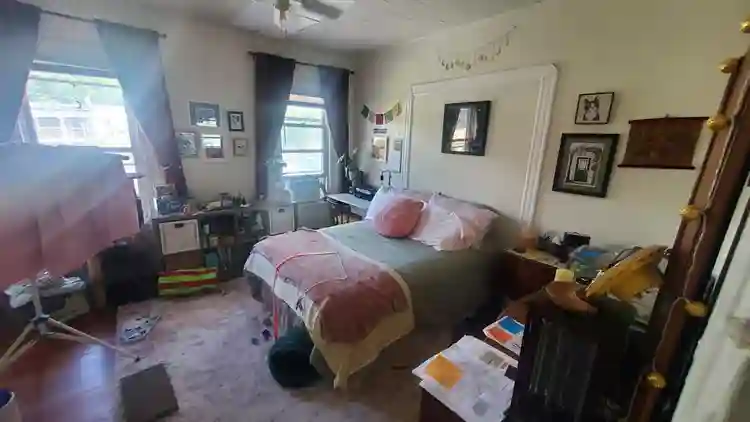
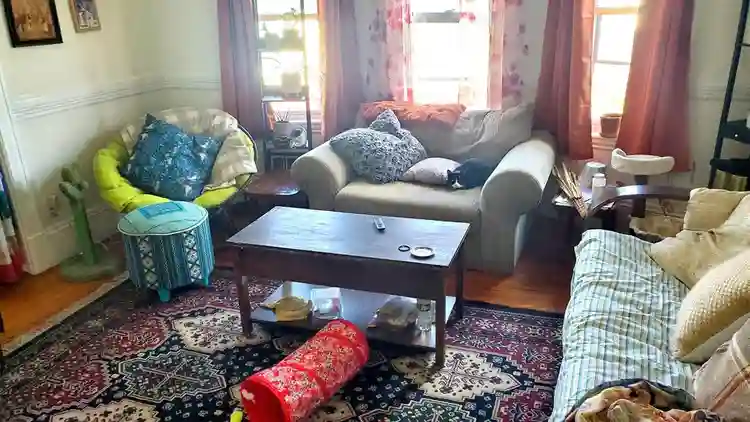
1/1 Apartment Walk to Red Line Shawmut Station $1800 includes utilities: heat, water, electricity, wifi Available Sept 2026 through August 2027 with option to renew.3rd floor walkup apartment with large windows located in a Victorian home. The apartment is accessible by either the enclosed interior staircase or the external stairs.Located in a diverse neighborhood, and just down the street from the Shawmut Station on the Red Line.The space includes a large (14 x 18) room, and a small kitchen, breakfast nook, bedroom and bathroom.On street parking, no pets, no smoking.
Tilgængelig dato: Straks
Adresse kontrolleret
E-mail valideret
Telefonvalideret

William, 71
Hele stedet | Brighton, Boston, MA, USA
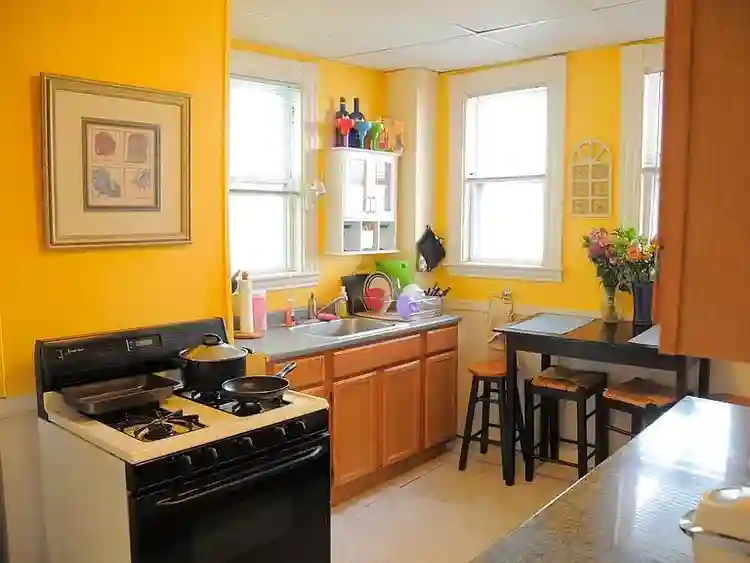
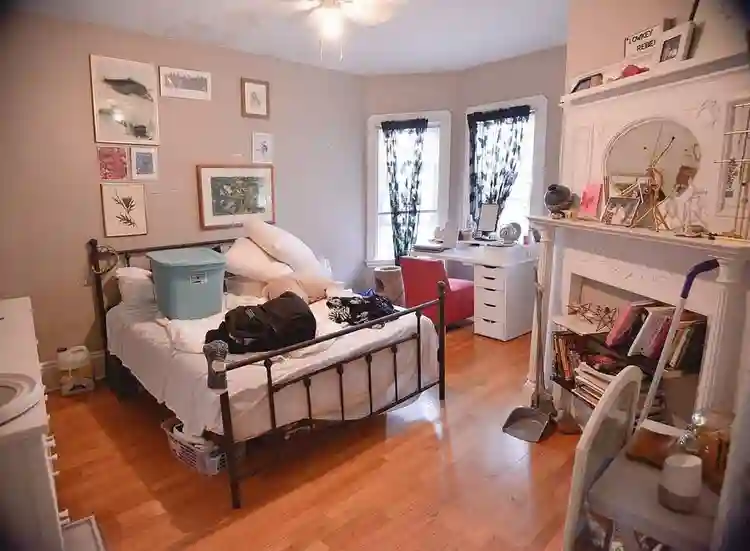
I am listing a 3 BR apartment in Oak Square, Boston. The monthly rent is $2990 and the place is available on September 1 or 15. HEAT IS INCLUDED IN THE RENT!! (Saves you $450 a month from October to May). Free parking and laundry. Dishwasher in the kitchen, front and back nice porches - very quiet! No dogs, but cat is OK. Non-smoking.
Tilgængelig dato: Straks
E-mail valideret
Telefonvalideret
Tight enough that timing matters more than negotiation. Vacancy across Back Bay sits near 0.88 percent with availability around 3.4 percent, both up slightly from a year ago but still among the lowest figures in the city. The stock splits in two: brownstone walk-ups filling the blocks between Arlington Street and Massachusetts Avenue, and newer elevator buildings clustered near the Prudential Center and Copley Place. Roomster lists 39 apartments for rent around Back Bay. Deciding which half of the market you want first saves time, because a floor-through in a 19th-century building and a tower unit with a doorman rarely appeal to the same renter.
Studios average about $2,535, up roughly 4 percent on the year, one-bedrooms sit near $3,182 and have edged down slightly, and two-bedrooms average around $4,229. Three-bedrooms run closer to $5,857. If other sites quote you far higher numbers for the same sizes, they are weighting the luxury towers more heavily than the brownstone stock. You can find cheap apartments under $2,600 a month in garden-level studios, in the walk-ups toward Massachusetts Avenue, and on the blocks near Hynes and the Christian Science Plaza. The forecast for the year is flat to slightly up, so a unit priced well above its neighbors is unlikely to be matched by the market.
Because the fee moved rather than disappeared. Massachusetts changed the rule on August 1, 2025, so the party who hires a broker pays that broker, which briefly made almost every Back Bay listing a no-fee listing for renters. The share has since swung back: about 94.7 percent of Back Bay listings were no-fee in May 2025, against roughly 55.3 percent in May 2026, with close to 39 percent now carrying a full commission paid by the landlord side. For you as a renter, the protection still holds, you should not be billed for an agent you did not engage, but expect some of that cost to show up inside the asking rent instead. Ask who the agent represents before you apply.
Most of the neighborhood is within a ten-minute walk of one. Back Bay Station carries the Orange Line, the Worcester, Needham and Stoughton commuter rail lines, and Amtrak Northeast Corridor trains, which is why apartments on Dartmouth, Clarendon and the streets around Copley Square attract people who commute out of the city rather than into it. The Green Line adds Arlington, Copley and Hynes along Boylston Street. Apartments near the Prudential Center put you inside the covered walkways to 2.6 million square feet of offices, which matters in February. Factor in the station renovation running into 2027 if you are renting immediately beside it.
Garden level means the unit sits partly below the sidewalk in a brownstone, with windows at or just above street height, and yes, it usually rents for less than the same floor plan two flights up. That discount is the most reliable way into the neighborhood at a lower price. The trade-offs are specific and worth inspecting in person: how much daylight reaches the main room at midday, whether windows provide proper egress, how street noise and foot traffic carry, and whether the unit has any history of water in heavy rain. Many of these units include heat and hot water in the rent, which offsets part of the difference in a Boston winter.
Back Bay sits at the top of that group. Its overall median runs about 15 percent above Beacon Hill, which is the more affordable of the two historic districts despite looking similar from the street, while Downtown Boston prices higher than both. The South End, directly across Huntington Avenue and Columbus Avenue, offers comparable brick and brownstone housing with more converted and newer stock, and is the usual first alternative for renters who like Back Bay but want more space for the money. What you pay the premium for here is the grid itself: flat, walkable blocks with the Green Line, Back Bay Station and two shopping centers inside a few hundred yards.
