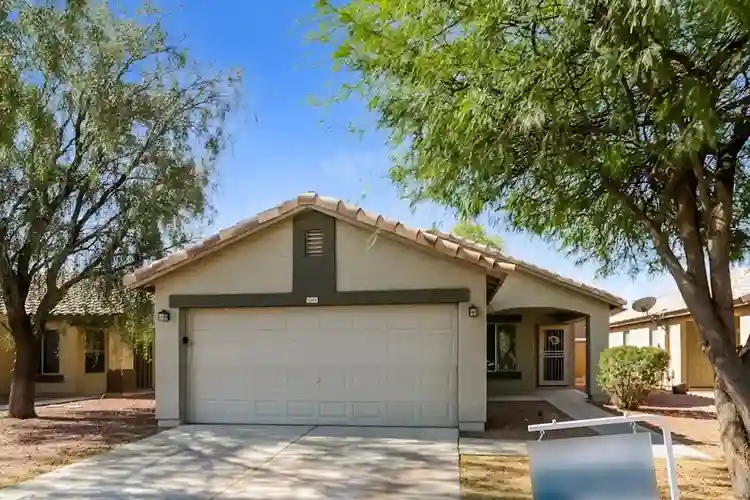
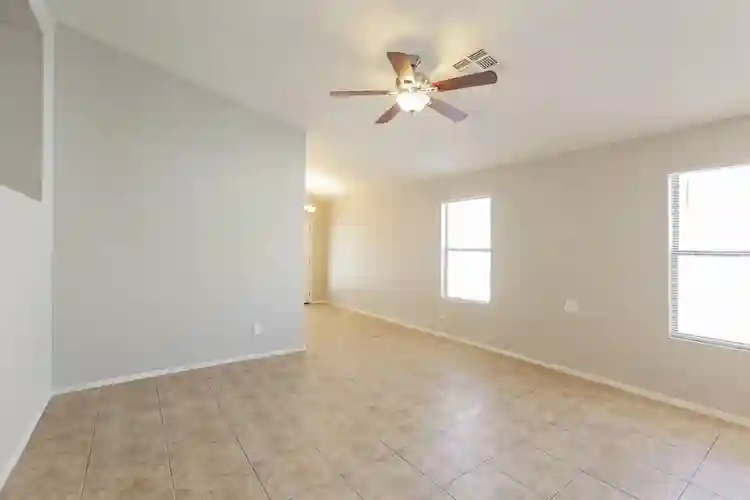
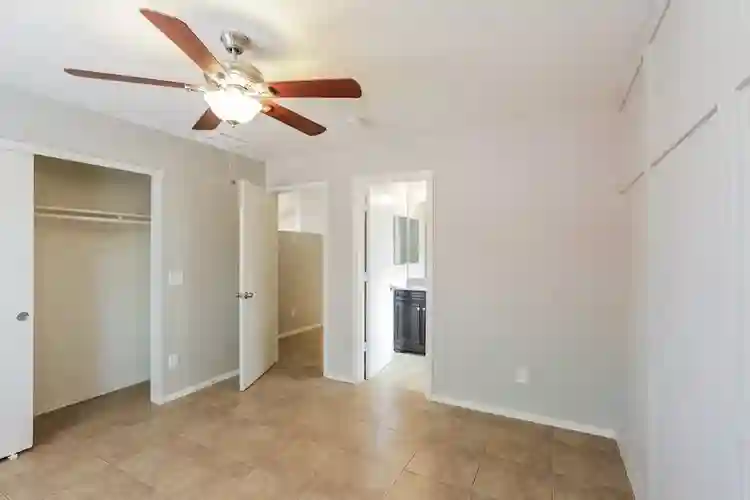
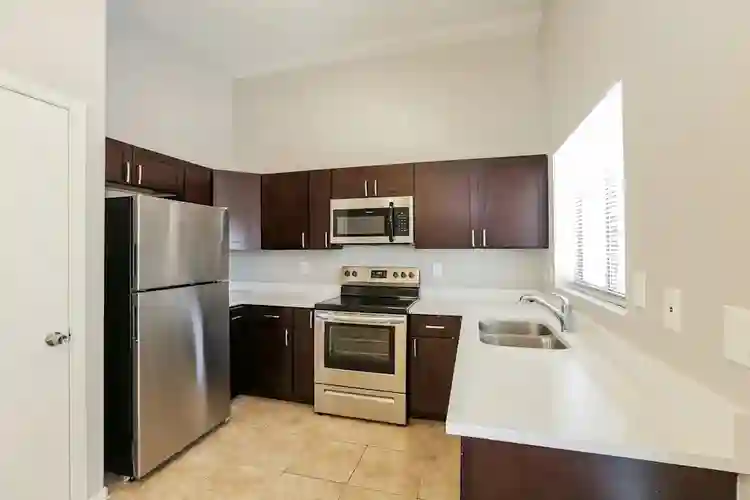
Searching for apartments for rent in Tucson, AZ can feel overwhelming, especially if you're relocating or balancing a busy schedule. Whether you’re a professional, couple, or commuter, understanding when to start your apartment hunt and what factors to weigh can make all the difference. This guide offers practical advice on timing your search, evaluating apartment types, and prioritizing lease terms to help you find a comfortable and convenient home in Tucson.
When to Begin Searching for Apartments in Tucson, AZ
Timing is key when looking for apartments for rent in Tucson, AZ. Many renters start their search 30 to 60 days before their desired move-in date. This window helps you find listings that match your budget and preferred lease terms without rushing into a decision. Depending on the season, inventory for furnished or short term apartment rentals may vary, so flexibility can be an advantage.
Keep in mind that Tucson's rental market often includes options with month-to-month leases and sublets, which can offer extra flexibility if you’re uncertain about long-term plans.
Checklist for Comparing Apartments for Rent in Tucson, AZ
To narrow down your search effectively, consider these factors:
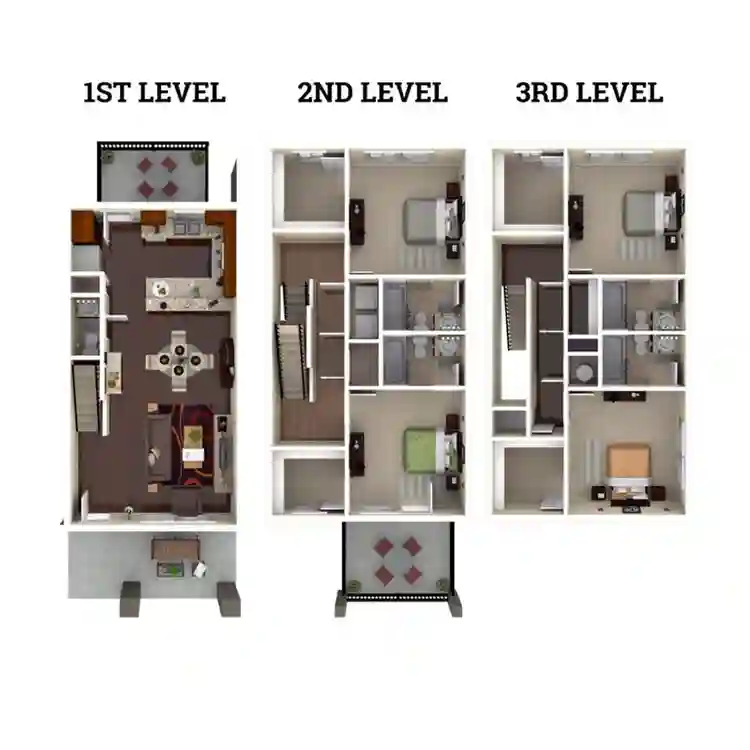
- Apartment Type: Decide between studios, one-bedroom, or two-bedroom units based on your space needs and budget.
- Lease Terms: Look for lease flexibility—month-to-month or short term rentals can be ideal if your plans are temporary.
- Furnishings: Furnished apartments may cost more but save on moving expenses and setup time.
- Pet Policy: If you have pets, prioritize pet friendly apartments that accommodate your furry companions.
- Utilities: Some listings include utilities in rent, which can simplify budgeting.
- Access to Public Transit: For commuters, apartments near bus lines or with good walkability can reduce travel time.
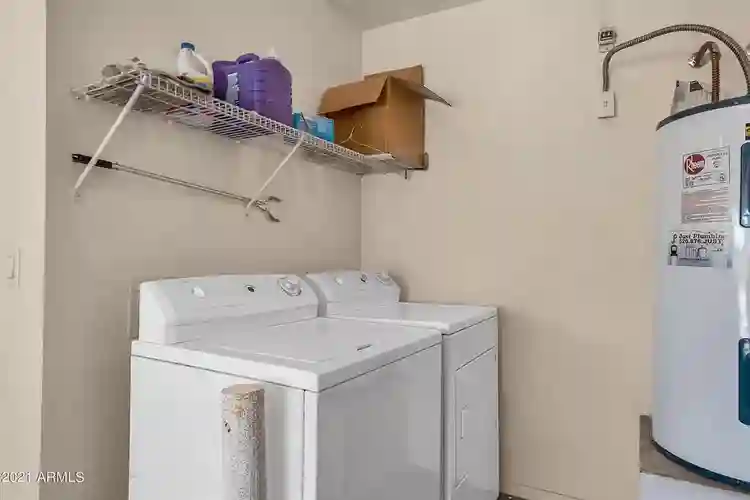
- Laundry and Parking: On-site laundry and parking availability can add convenience.
How to Use Roomster to Find Apartments for Rent in Tucson, AZ
Roomster offers a user-friendly platform to streamline your Tucson apartment search. Start by setting filters for your preferred apartment type, lease length, and amenities like furnished units or pet-friendly policies. Make sure your profile is complete and accurate to connect easily with landlords or private landlords offering listings.
Check listing details carefully, including lease terms and application requirements such as credit checks or ID confirmation. Reach out promptly to schedule viewings or ask questions about availability and move-in dates.
Understanding Lease and Budget Considerations in Tucson, AZ
Budgeting for an apartment in Tucson involves more than just rent. Expect to consider security deposits and application fees, which vary by landlord type—private landlords may have different policies than property management companies. Credit checks are commonly part of the application process, so prepare your documentation ahead.
Lease terms can differ widely: some apartments offer short term or month-to-month leases, while others require longer commitments. If you prefer flexibility, prioritize listings that support sublets or furnished arrangements.
Tips to Avoid Rental Scams and Common Mistakes in Tucson, AZ
To protect yourself during your apartment hunt in Tucson, always confirm the legitimacy of listings. Use Roomster’s ID check and address check features to confirm details where available. Avoid sending payments or personal information before meeting landlords or visiting the property in person or via a trusted virtual tour.
Be cautious of listings with unusually low rent or requests for wire transfers. Clear communication and asking for a lease agreement in writing are essential safeguards.
FAQ
What kind of apartment is easiest to find in Tucson, AZ?
Studios and one-bedroom apartments are commonly available in Tucson, offering options for singles and couples. Two-bedroom units are also popular for roommates or small families but may require earlier searching due to demand.
Should I look for a studio, one-bedroom, or shared apartment in Tucson, AZ?
Your choice depends on budget, space needs, and privacy preferences. Studios are generally more affordable, one-bedrooms offer more room, and shared apartments can reduce costs but require compatibility with roommates.
What should I ask before renting an apartment in Tucson, AZ?
Clarify lease length, included utilities, pet policies, move-in costs, and any application requirements like credit checks. Also ask about amenities such as laundry, parking, and public transit access.
How early should I start searching for apartments in Tucson, AZ?
Starting your search about 30 to 60 days before your desired move-in date balances availability with enough time to compare options and complete applications.
Next Step
Browse current apartments for rent in Tucson, AZ on Roomster to compare listings, filter by your needs, and connect directly with landlords and private landlords. Start your search today at Roomster.